TL;DR:
Selecting the correct mobility equipment requires calculating total payload capacity, assessing floor surface types, and evaluating environmental factors like temperature extremes. Facility managers should divide the maximum cart weight by the number of wheels minus one to ensure safe load distribution and prevent workplace injuries.
The components attached to the bottom of your carts dictate how efficiently your entire warehouse operates. Facility managers frequently overlook these mobility solutions until a critical failure disrupts the supply chain or damages expensive flooring. Selecting the right hardware ensures that material handling processes remain safe and efficient.
Upgrading your transport equipment reduces physical strain on employees and minimizes maintenance costs. Operators need reliable tools that can withstand harsh environments, heavy loads, and continuous movement. When operations rely on moving substantial payloads across vast concrete floors, precision and durability become essential.
This guide explores the decision criteria for selecting optimal warehouse mobility solutions. You will learn how to calculate load capacities, match wheel materials to specific floor types, and navigate the technical specifications required for maximum operational efficiency.
What are the primary types of mobility equipment?
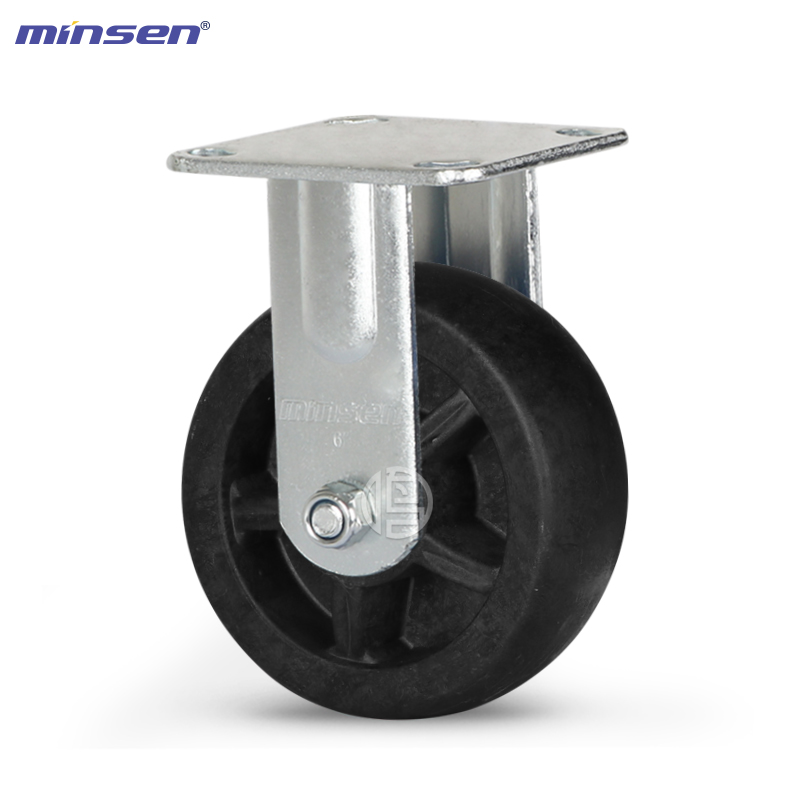
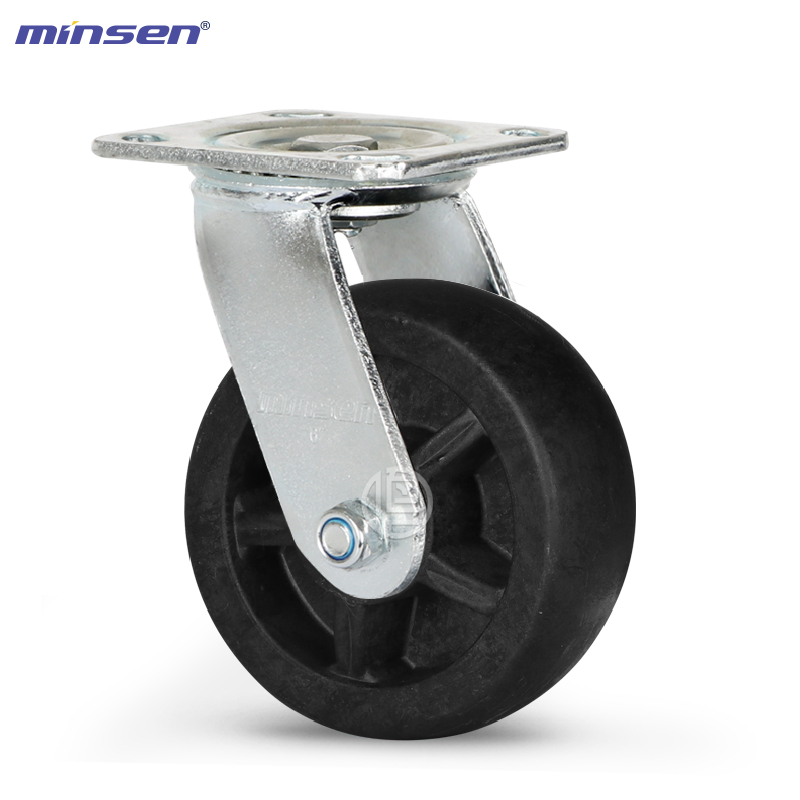
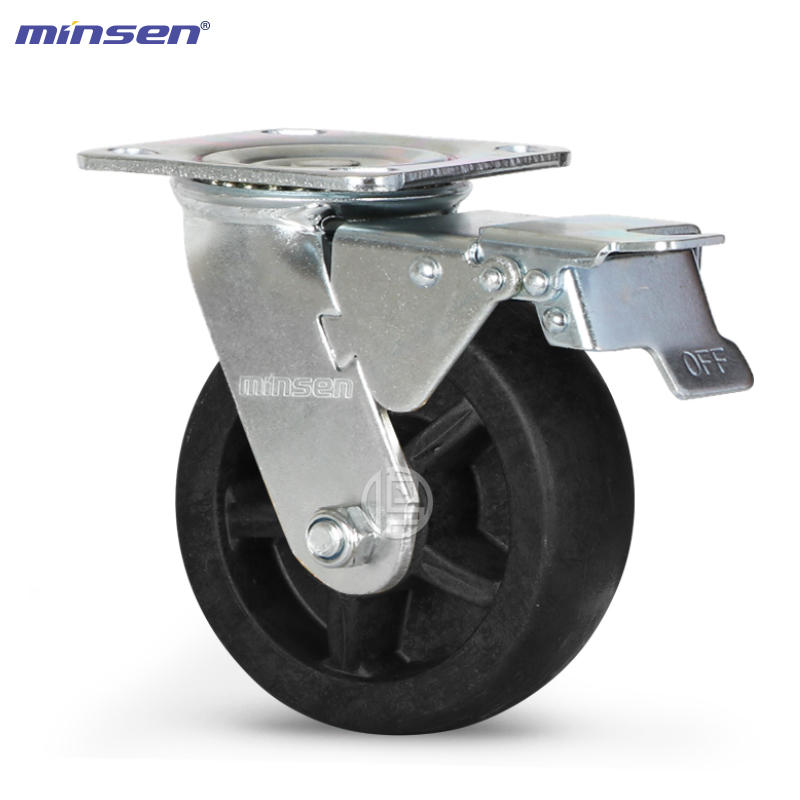
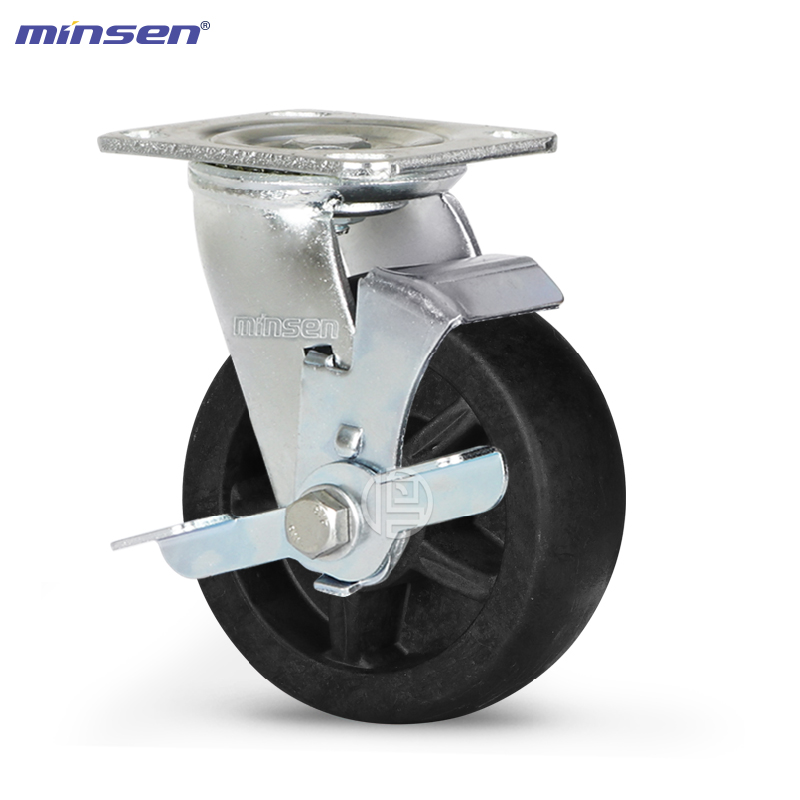
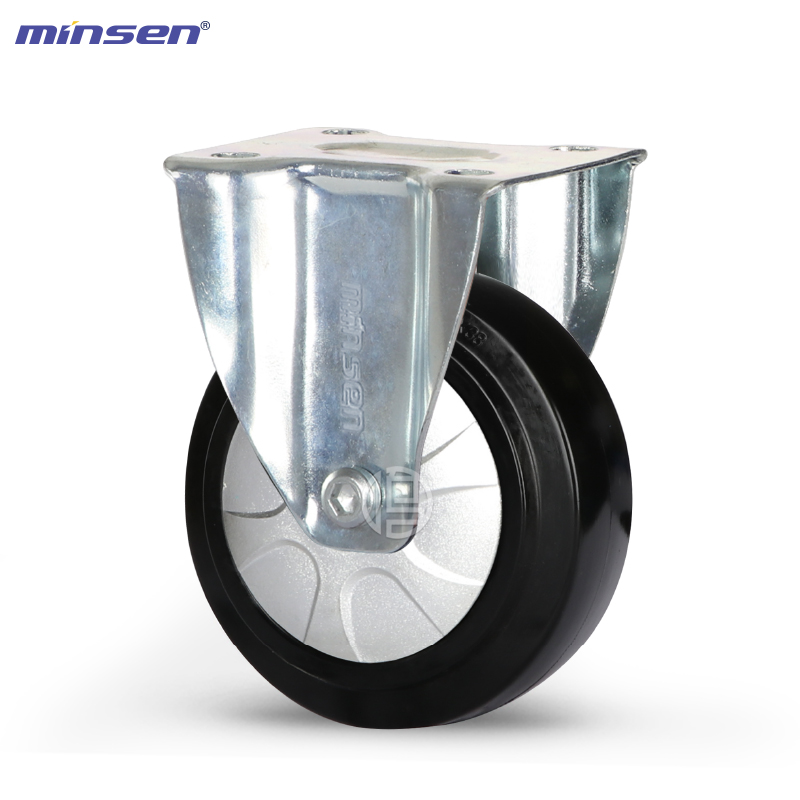
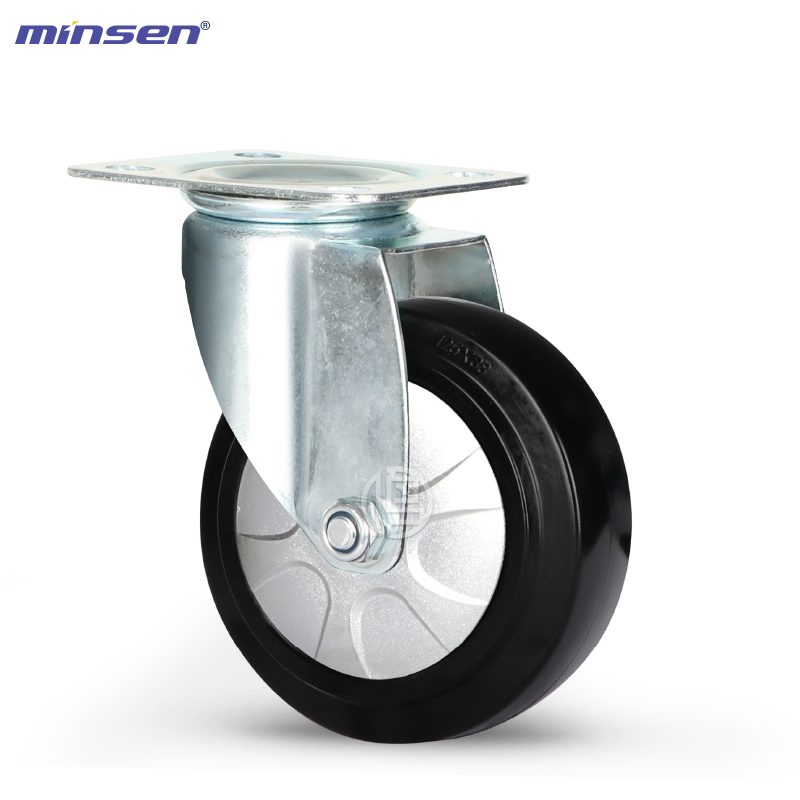
Different facilities require distinct hardware configurations based on their daily operations. Manufacturing plants typically rely on industrial casters to move massive assembly components along production lines. These robust units feature reinforced steel yokes and precision ball bearings that absorb significant shock during transit.
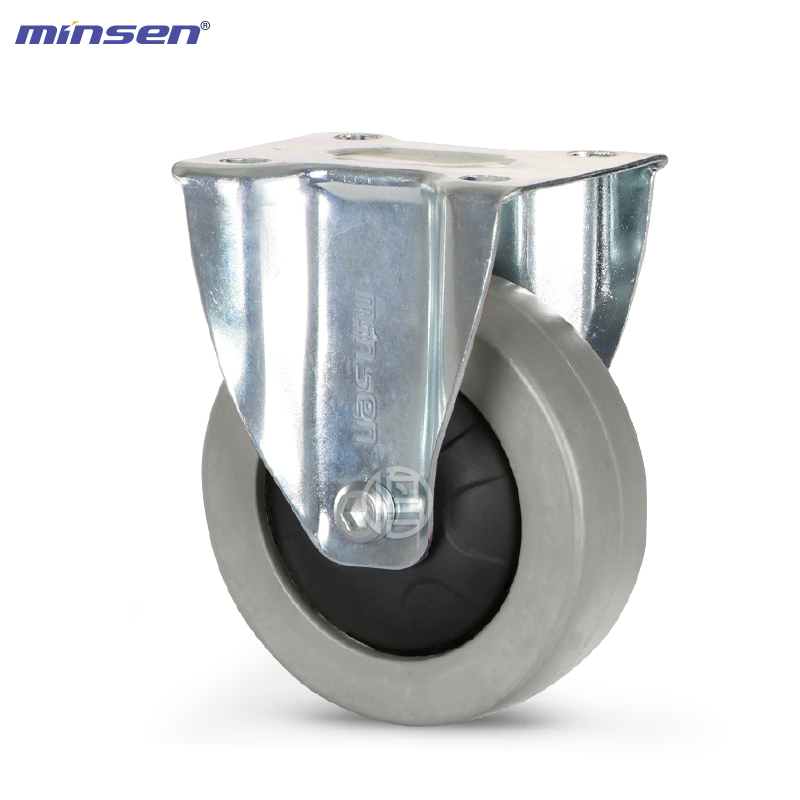
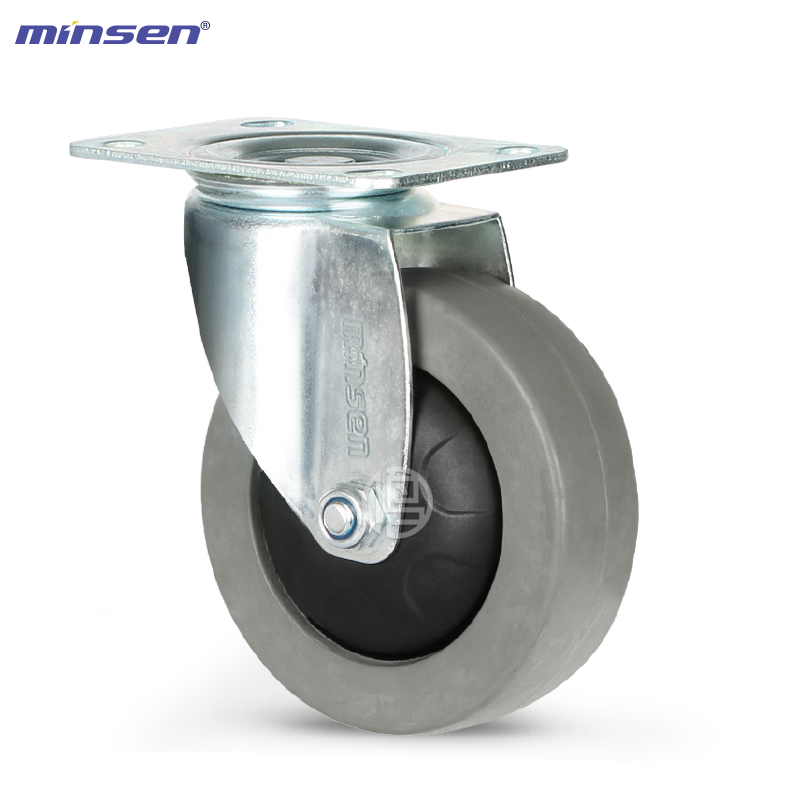
When evaluating your options, consider whether your carts require fixed or swivel mechanisms. Swivel models allow for 360-degree rotation, providing maximum maneuverability in tight warehouse aisles. Fixed models, conversely, only move in a straight line but offer superior tracking stability for long-distance transport. Choose swivel models if maneuverability matters more than straight-line speed.
According to material handling safety standards, a combination of two swivel and two rigid units provides the best balance of control and flexibility for standard platform trucks.
How do floor surfaces impact material selection?
Your facility's flooring dictates which tread material will perform best. Hard surfaces require softer treads to provide grip and reduce noise, while soft surfaces demand harder treads to minimize rolling resistance.
The table below outlines common tread materials and their optimal environments.
Tread Material | Optimal Surface | Key Benefit |
Polyurethane | Smooth concrete | High load capacity and floor protection |
Thermoplastic Rubber | Tile or linoleum | Quiet operation and shock absorption |
Cast Iron | Rough concrete | Extreme durability and heat resistance |
Nylon | Carpet | Low rolling resistance |
Using incorrect materials can cause permanent damage to epoxy-coated floors or create excessive noise that violates workplace safety regulations. Always verify your floor's chemical resistance before selecting polyurethane or rubber compounds.
Why does weight capacity dictate hardware choices?
Calculating your required load rating represents the most critical step in equipment selection. A common mistake involves dividing the total cart weight equally across all four mounting points. However, uneven floors often cause one unit to lift off the ground, placing the entire burden on the remaining three.
To calculate the safe load capacity for individual caster wheels, add the weight of the cart to the maximum payload, then divide that sum by three (for a four-wheeled cart). This formula builds in a necessary safety margin for uneven terrain and sudden impacts.
Overloading equipment leads to catastrophic failures, bearing blowouts, and severe safety hazards. Always err on the side of a higher load rating when the exact payload remains variable.
When should you upgrade your material handling tools?
Warehouse hardware degrades over time due to constant friction, debris accumulation, and heavy impacts. Visual inspections should occur monthly to identify flat spots on the tread, excessive play in the swivel bearing, or bent steel frames.
If your operators report increased physical strain when pushing carts, or if you hear grinding noises during movement, it is time to replace the hardware. Investing in premium heavy duty casters reduces long-term replacement costs and prevents unexpected downtime during peak operational hours.
Regular maintenance, including lubricating the raceways and removing debris from the axles, extends the lifespan of your mobility investments significantly.
Next steps for optimizing warehouse operations
Selecting the appropriate mobility hardware requires a thorough understanding of your specific operational constraints. Begin by auditing your current transport equipment, noting any signs of wear or floor damage. Calculate your maximum load requirements using the three-point distribution formula, and assess your floor surfaces to determine the ideal tread material.
Partner with a reputable manufacturer that provides certified load ratings and material specifications. Upgrading your equipment today will yield immediate improvements in workplace safety and overall facility efficiency.
Frequently asked questions about material handling hardware
How much weight can standard mobility equipment hold?
Capacities vary drastically based on construction. Light-duty models handle up to 140 lbs, medium-duty units support between 140 and 400 lbs, and extreme-duty forged steel models can support upwards of 10,000 lbs per unit.
What is the difference between rigid and swivel models?
Rigid models are fixed in a straight line, offering stability for long corridors. Swivel models rotate a full 360 degrees, allowing carts to navigate tight corners and narrow warehouse aisles easily.
How often should facility managers replace cart hardware?
Depending on usage frequency and environment, standard units last between one and three years. Harsh chemical environments or extreme temperatures accelerate degradation, requiring annual replacements to maintain safety standards.
Are brakes necessary for warehouse carts?
Yes. Brakes prevent unintended rolling on inclines and secure equipment during loading or unloading. Total-lock brakes, which lock both the wheel rotation and the swivel mechanism, provide the highest level of stability.