


English
Views: 0 Author: Site Editor Publish Time: 2026-05-26 Origin: Site


Quick answer:
Choosing a dependable mobility supplier requires evaluating their production capabilities, quality control processes, and customization options. Facility managers should look for companies with in-house hardware stamping, rubber processing, and injection molding to ensure consistent quality and fast turnaround times for all heavy-duty equipment.
Moving heavy equipment safely across a warehouse floor demands robust hardware. When facility managers equip their carts with subpar components, they risk damaged floors, excessive noise, and workplace injuries. The components attached to the bottom of your carts directly dictate how smoothly your entire operation runs.
Finding a trustworthy caster manufacturer solves these operational challenges quickly. Companies like Kaiping Mingtai Caster Manufacturing Co., Ltd. (Minsen), established in 2010, control the entire production process from start to finish. Their 8,000-square-meter facility handles everything from raw material sourcing to hardware stamping and final product testing. This end-to-end control prevents the common defects found in cheaper, outsourced alternatives.
Upgrading your mobility hardware reduces physical strain on employees and improves overall warehouse efficiency. This guide explains how to evaluate suppliers, compare materials, and select the exact components your industrial environment requires.
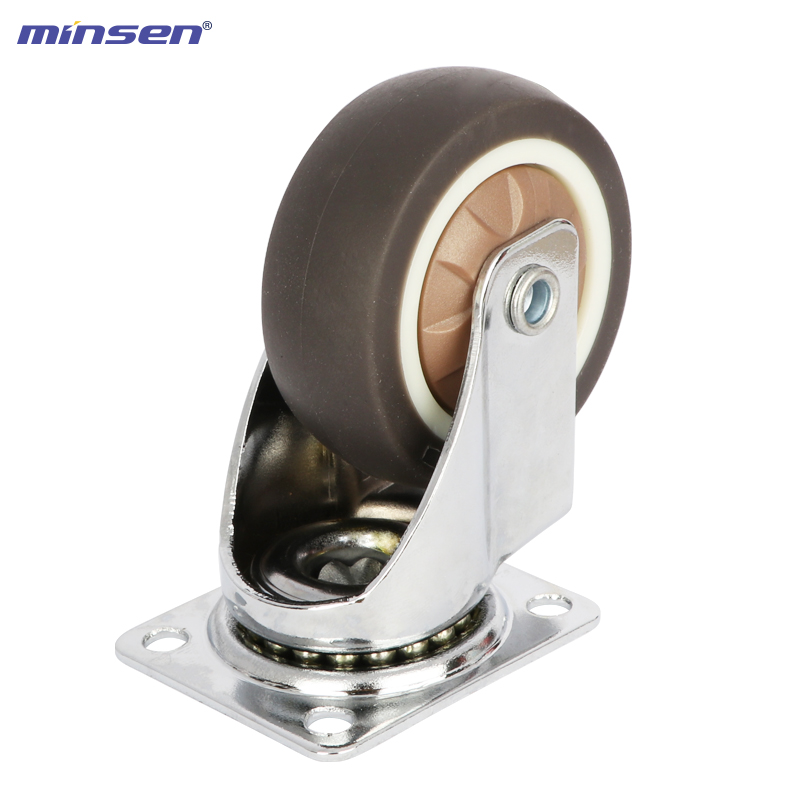

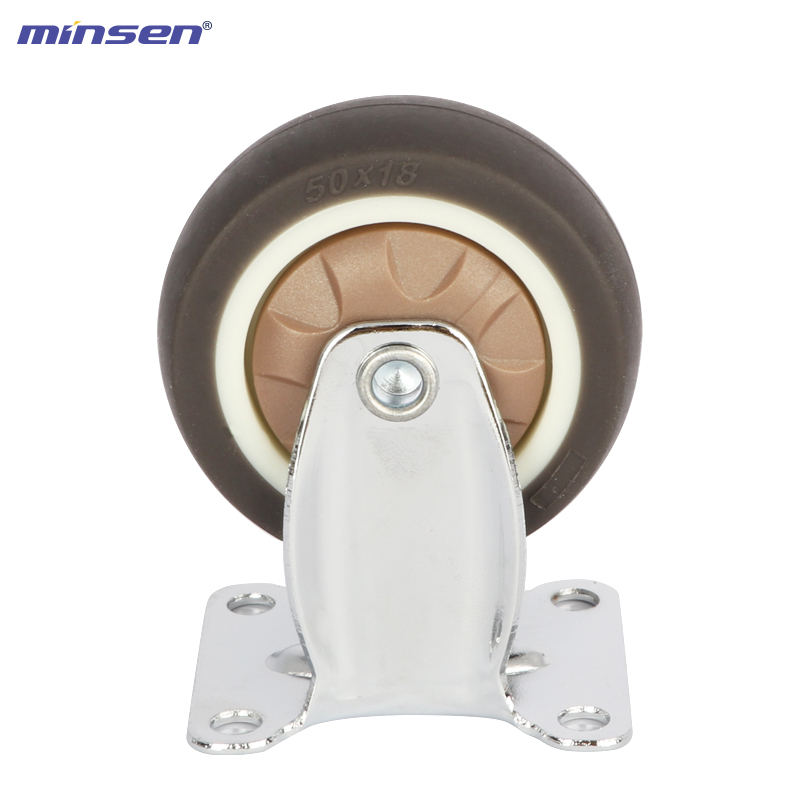

High-quality mobility hardware requires strict quality control during material sourcing, processing, and testing. Buyers must evaluate the structural integrity of the brackets, the elasticity of the rubber, and the precision of the internal bearings. A smooth bearing ensures the equipment requires minimal physical force to initiate movement, protecting workers from strain injuries.
Selecting the proper material handling wheels ensures your equipment glides seamlessly over uneven concrete or tiled floors. Facility managers must also account for environmental factors, such as chemical exposure, moisture levels, and extreme temperature fluctuations, which can degrade inferior plastics and rubbers over time.
Selecting the right equipment requires a precise calculation of your total load capacity. According to [Minsen, 2026], facility managers must divide the total anticipated weight by the number of wheels minus one. This specific formula accounts for uneven floor surfaces where one corner of a cart might temporarily lift off the ground, ensuring the remaining contact points can safely support the maximum payload without structural failure.
Different operational environments demand completely different thermoplastic or rubber compounds. Using a standard plastic component in a commercial bakery will result in melted hardware, while using a hard steel component on a polished showroom floor will cause permanent scratching.
Choose High-Temp models if your facility involves commercial baking operations. Opt for elastic rubber if shock absorption matters more than extreme temperature resistance. Facility managers must match the material directly to their floor type and environmental hazards.
The following table breaks down common materials and their optimal use cases:
Material Type | Optimal Environment | Key Operational Benefit |
Thermoplastic Rubber (TPR) | General warehouses and retail spaces | Non-marking properties and quiet operation |
High-Temp Phenolic | Commercial ovens and baking facilities | Withstands continuous exposure to 230℃-310℃ heat |
High Elasticity Rubber | Heavy manufacturing floors | Superior shock absorption and high load capacity |
Polyurethane (PU) | Greasy or chemically exposed areas | High resistance to industrial oils and heavy impacts |
Forged Steel | Scrap yards and heavy industrial plants | Maximum payload support without deformation |
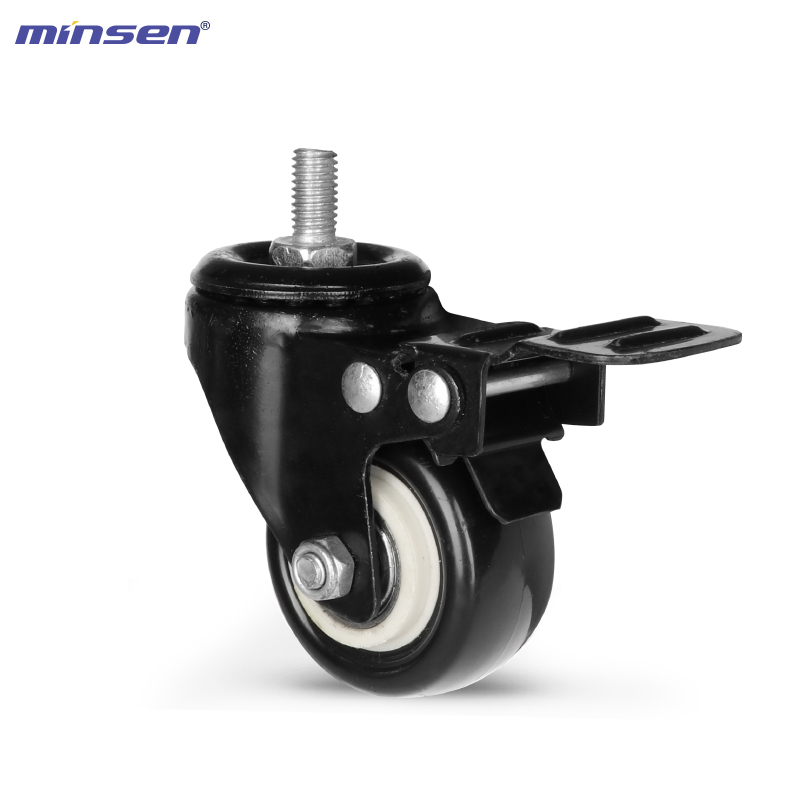
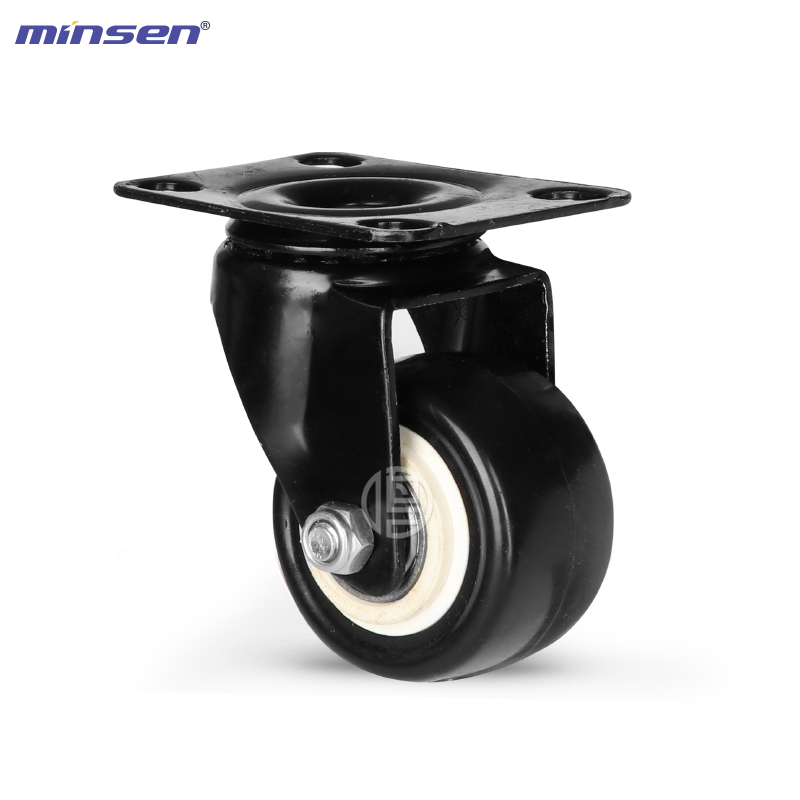
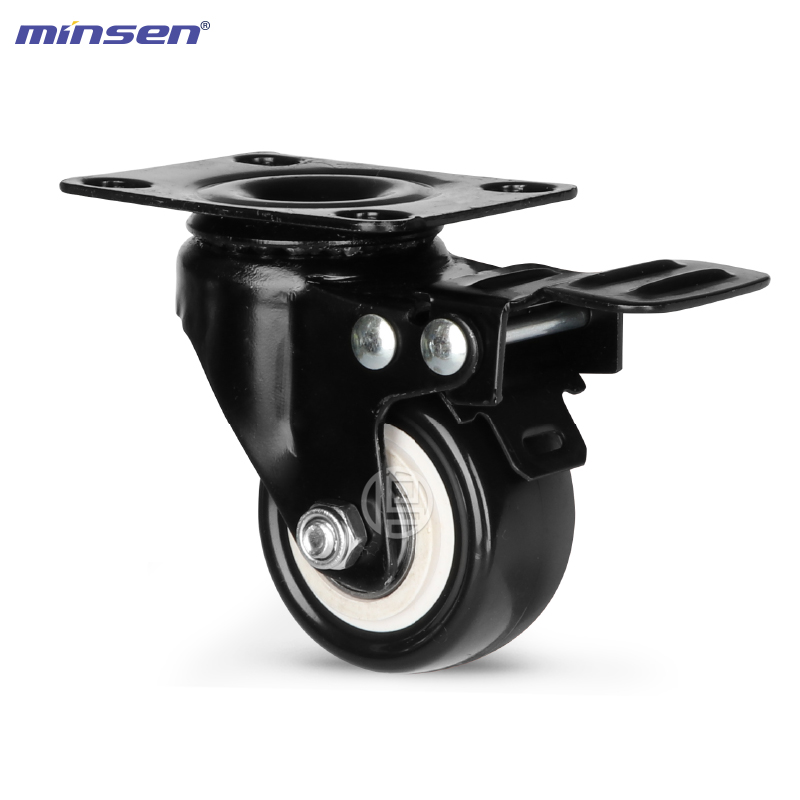
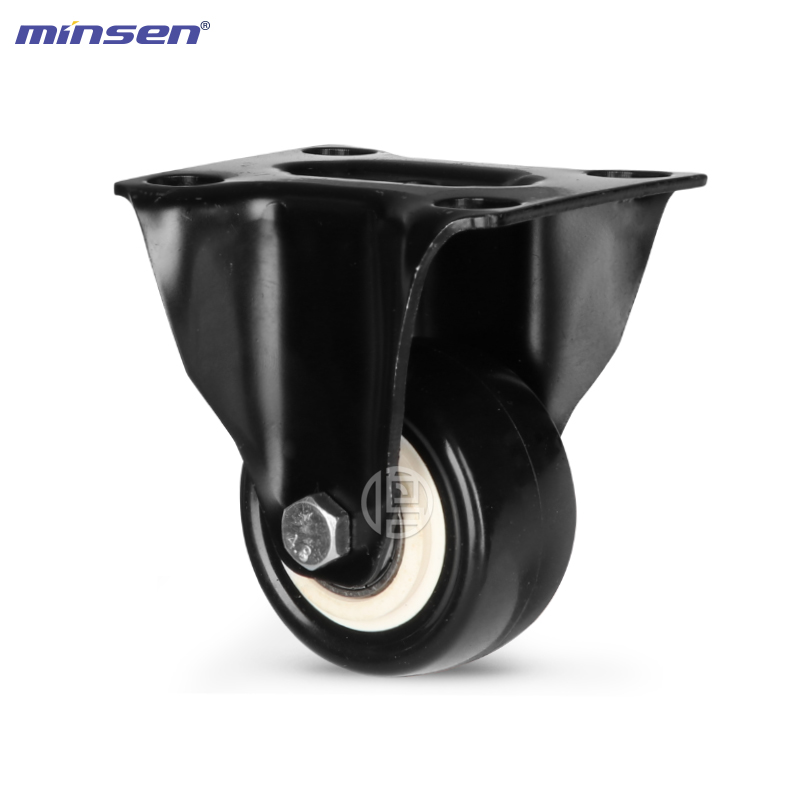
Outsourcing various stages of production often leads to quality inconsistencies. When a supplier relies on third-party factories for stamping brackets or molding rubber, they lose the ability to guarantee the final product's durability.
When a single facility produces industrial wheels using advanced stamping, injection molding, and rubber processing equipment under one roof, buyers receive consistent quality. This direct manufacturing approach eliminates middleman markups while allowing for rapid, on-demand customization. If a medical facility needs a specific anti-static coating, or a warehouse requires a custom bolt-hole pattern, a fully equipped manufacturer can adjust their assembly line immediately to meet those precise specifications.
Even the most durable mobility solutions require basic maintenance to achieve their maximum lifespan. Facility managers extend the lifespan of their mobility equipment by conducting monthly visual inspections and lubricating bearings every six months.
Maintenance teams should routinely check for debris tangled in the axles, such as shrink wrap, string, or packing tape. Removing this debris prevents friction build-up, which can otherwise destroy the internal bearings. Furthermore, teams must check for visible wear on the treads. Once a tread wears down unevenly, the equipment becomes harder to push and poses a severe ergonomic risk to employees.
Reliable mobility equipment forms the backbone of efficient warehouse logistics, medical facilities, and food-processing plants. By partnering with a dedicated manufacturing facility, business owners secure high-quality, customized products that protect their employees and their infrastructure. Start by auditing your current carts, calculating your required load capacities, and identifying any environmental hazards on your floor.
The cost depends entirely on the required payload capacity, material type, and order volume. Purchasing directly from a factory eliminates middleman markups, making bulk upgrades significantly more affordable for large facilities.
A fully integrated factory with in-house hardware stamping and injection molding can turn around custom orders rapidly. Once the buyer confirms the design proposal and provides a deposit, manufacturers typically initiate sample production within a few weeks.
Using inappropriate hardware leads to floor damage, increased physical strain on workers, and frequent equipment replacement. For example, rigid steel components will quickly destroy soft flooring, while standard plastics will shatter under excessive industrial payloads.
Yes. Facilities requiring corrosion resistance, such as food processing plants or hospitals, frequently choose stainless steel brackets. These specialized brackets withstand frequent chemical washdowns without rusting.
Commercial bakeries, autoclaving facilities, and manufacturing plants with curing ovens benefit most from high-temperature models. These specific products utilize specialized resins designed to continuously withstand temperatures between 230℃ and 310℃ without degrading or emitting toxic fumes.


