TL;DR: Selecting the right mobility equipment requires calculating your total load capacity, assessing your floor surface, and understanding environmental factors like temperature or chemicals. You must divide the total weight by the number of wheels minus one to ensure a safe load rating for maximum operational efficiency and workplace safety.
Moving massive equipment across a warehouse or manufacturing plant requires precision, safety, and reliability. Facilities cannot afford unexpected equipment failures, which often lead to costly downtime and potential worker injuries. When a fully loaded cart collapses due to inadequate mobility hardware, the resulting damage extends far beyond the broken component itself.
Facility managers must evaluate specific operational environments before purchasing replacement parts. Floor conditions, temperature fluctuations, and chemical exposure all dictate what type of wheel material and bearing will survive long-term use. Understanding these variables ensures that your equipment remains operational under the most extreme conditions.
Properly specifying your mobility components prevents premature wear and tear. Incorporating high-quality industrial casters into your material handling fleet reduces ergonomic strain on workers while protecting expensive flooring from gouges and scratches.
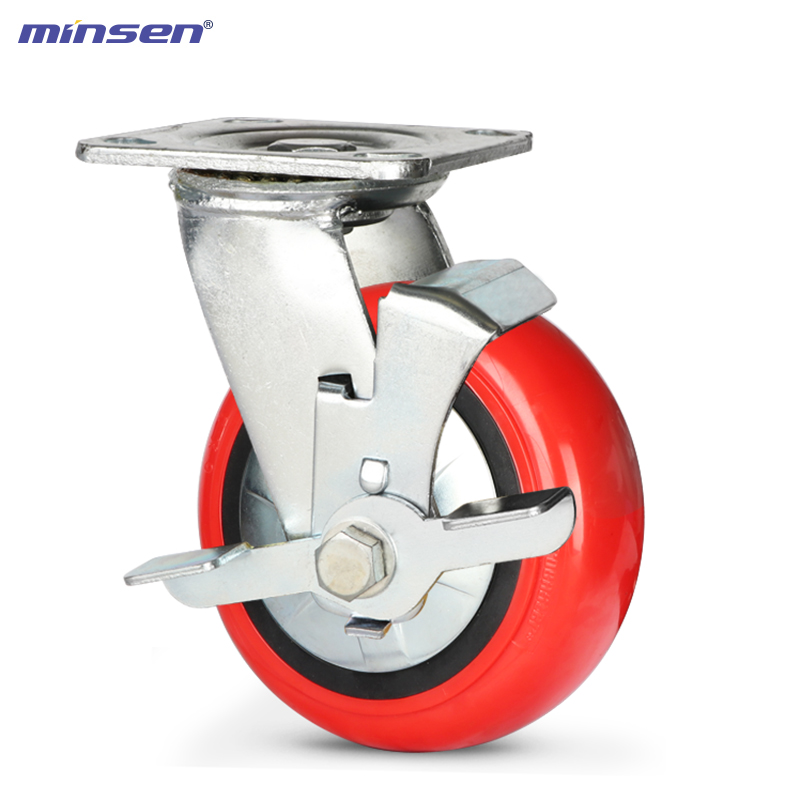
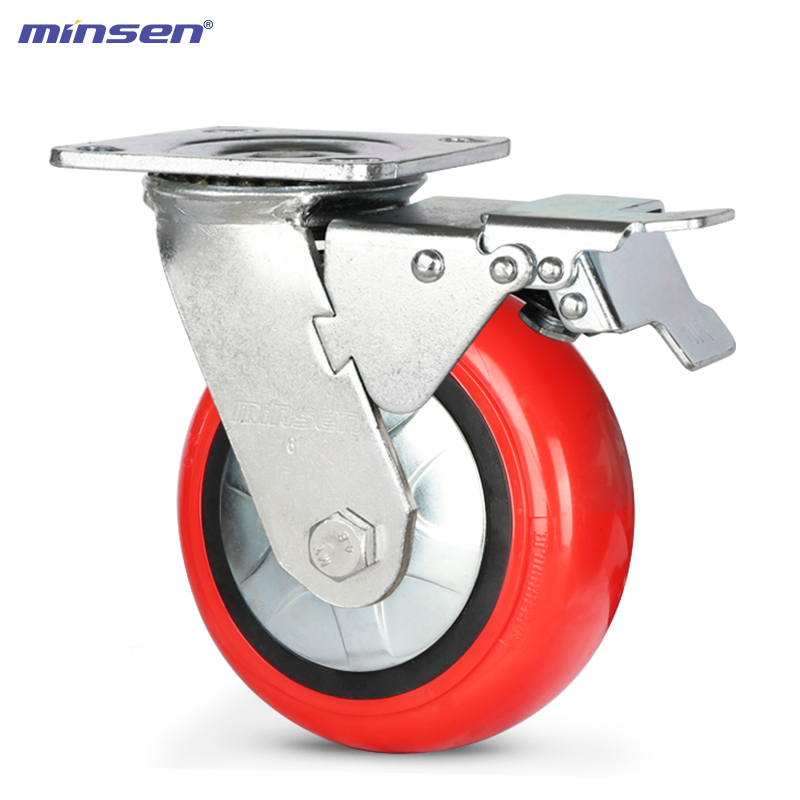
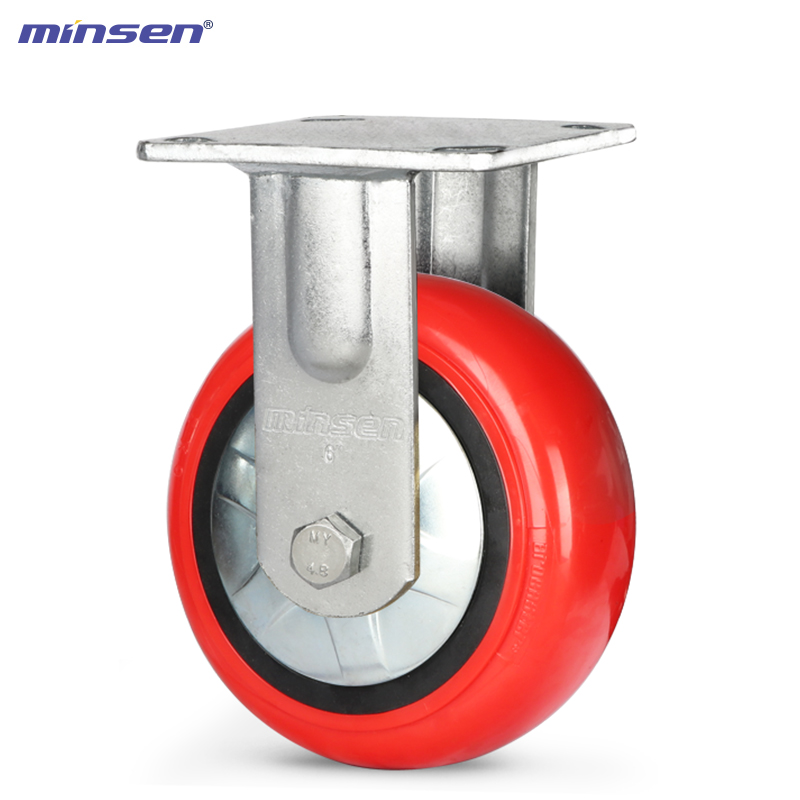
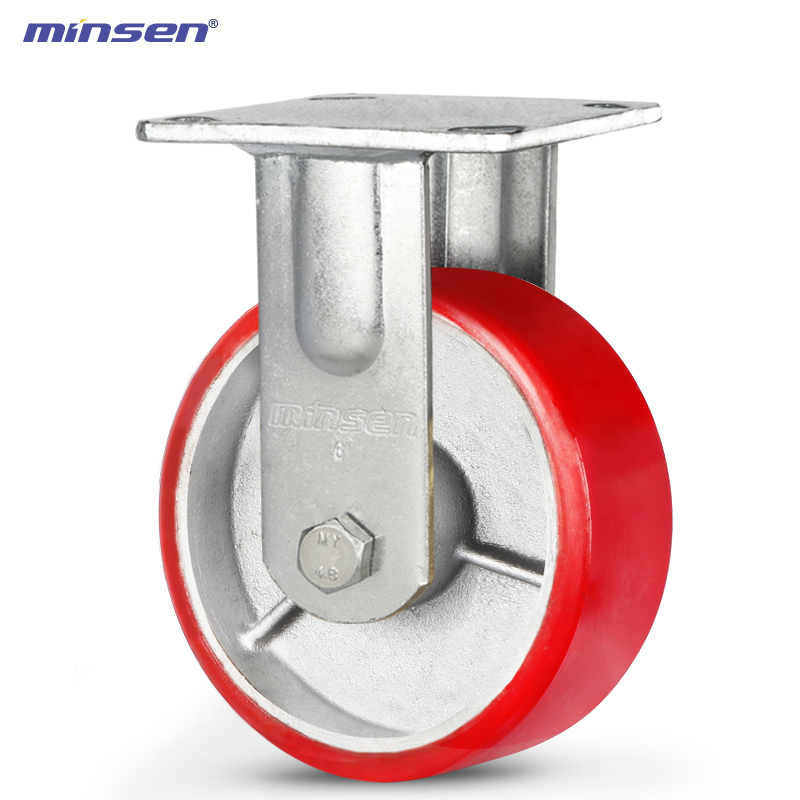
What factors determine weight capacity requirements?
Calculating load capacity is the most critical step in specifying mobility equipment. You cannot simply divide the total weight of the cart and its load by the number of wheels. Uneven floors, debris, and weight shifts mean that a four-wheeled cart often rests its entire weight on just three wheels at any given time.
To determine the required capacity per wheel, add the weight of the cart to the maximum load it will carry, then divide that total by the number of wheels minus one. If your cart weighs 500 pounds and carries a 2,500-pound load, the total weight is 3,000 pounds. Divided by three, each wheel must support at least 1,000 pounds.
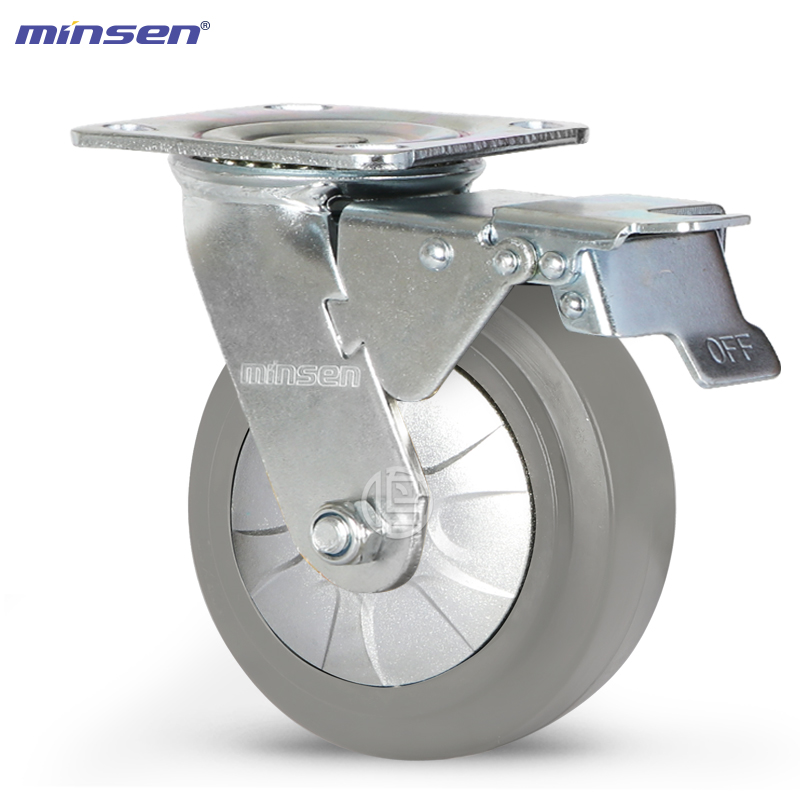
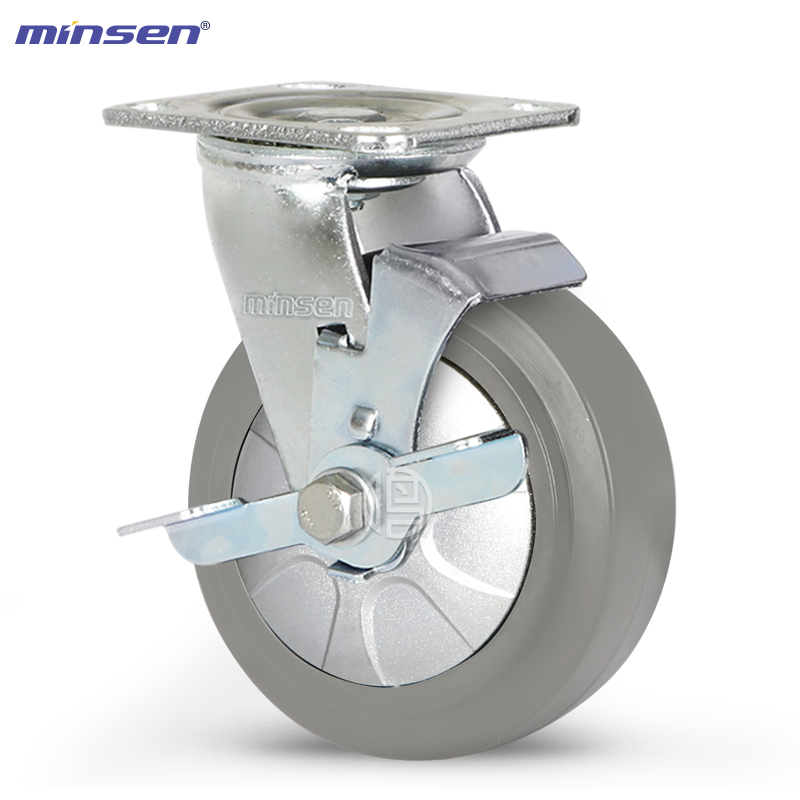
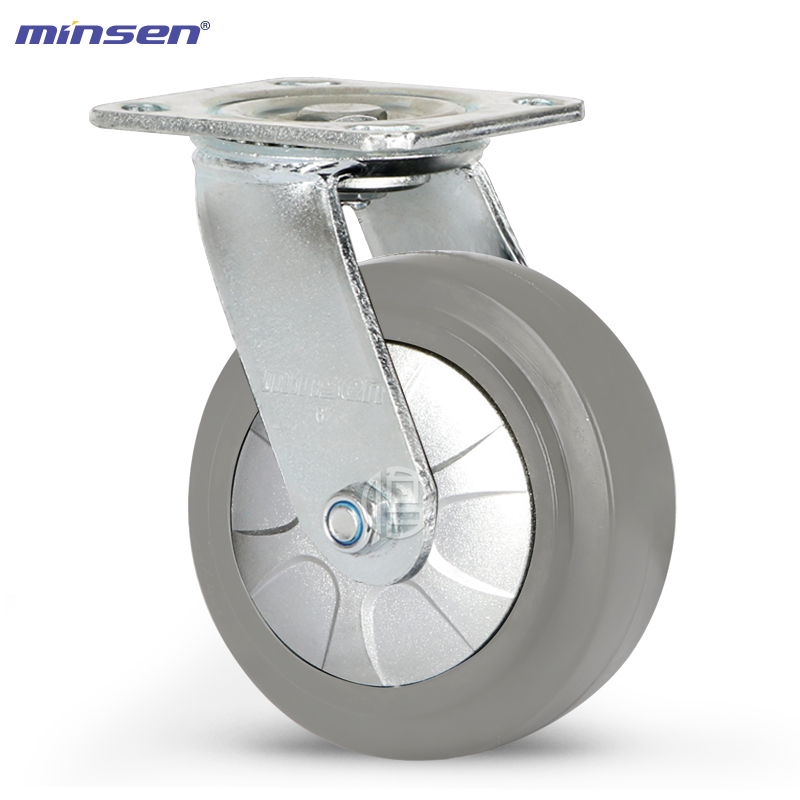
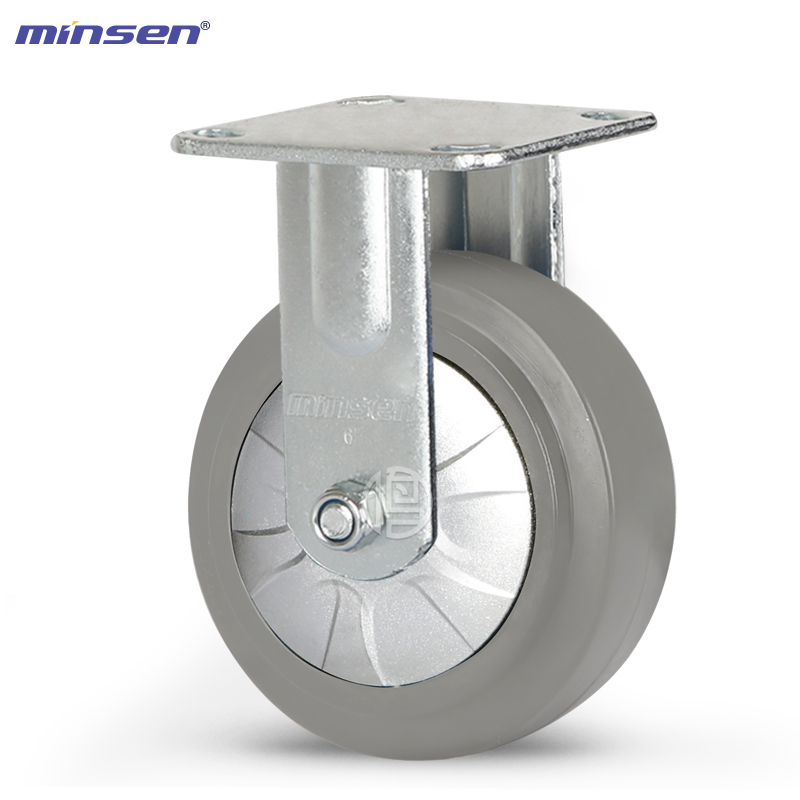
Choosing wheels that barely meet this minimum threshold increases the risk of failure. Upgrading to robust heavy duty casters provides a necessary safety margin. This buffer protects your investment when operators inevitably overload a cart or push it over harsh terrain.
How do different wheel materials impact performance?
Wheel material dictates how equipment interacts with your facility's flooring. Harder wheels roll easier under massive loads, reducing the push-pull force required by operators. However, these rigid materials can damage untreated concrete and create excessive noise during transit. Softer materials protect floors and reject debris, but they require more physical effort to get moving.
Decision criteria: Choose polyurethane wheels if floor protection matters more than absolute maximum weight capacity. Choose forged steel wheels if extreme load support is your only priority and floor damage is not a concern.
Below is a comparison of common wheel materials and their ideal applications.
Wheel Material | Floor Protection | Noise Level | Chemical Resistance | Ideal Application |
Forged Steel | Low | High | High | Extreme load manufacturing |
Polyurethane | High | Low | Medium | Indoor warehouse floors |
Solid Rubber | High | Very Low | Low | Delicate surfaces, quiet zones |
Glass-Filled Nylon | Medium | Medium | Very High | Washdown and chemical areas |
When should you invest in specialized mobility solutions?
Standard catalog options cover about 80 percent of material handling applications. However, aerospace manufacturing, automotive assembly lines, and extreme temperature environments often demand engineering solutions that go beyond off-the-shelf products.
High-temperature baking ovens, for instance, melt standard polyurethane and degrade regular grease. In these scenarios, facilities require high-temp resins or specialized metals combined with high-heat lubricants. Similarly, towline applications moving at higher speeds generate excessive heat in the wheel bearings, necessitating precision-tapered bearings rather than standard roller bearings.
When your operating environment features unique challenges—such as extreme shock loading from drop-loading heavy steel plates—working with an engineering team to develop custom casters prevents catastrophic equipment failure. These specialized builds optimize ergonomics, extend equipment lifespan, and ultimately deliver a higher return on investment despite the higher initial cost.
What are the next steps for upgrading your equipment?
Evaluating your current material handling fleet helps identify areas where upgraded mobility components can improve safety and efficiency. Start by documenting the most frequent points of failure in your existing carts and racks. Look for flattened wheels, blown bearings, or swivel rigs that refuse to rotate under load.
Once you identify these weak points, calculate your true load requirements and assess your floor conditions. Consult with a specialized mobility engineer to match your specific environmental challenges with the correct wheel materials and rig designs.
Frequently asked questions about equipment mobility
How do I know if my wheels need replacing?
Replace your wheels when you notice flat spots, chunks of missing tread, visible cracks in the hub, or if the cart becomes significantly harder to push. Delaying replacement increases ergonomic strain on workers and can permanently damage facility flooring.
What is the difference between a rigid and a swivel rig?
A rigid rig only moves in a straight line, providing directional stability for long carts. A swivel rig rotates 360 degrees, allowing operators to maneuver carts around tight corners and navigate narrow warehouse aisles.
Why do my carts wobble at high speeds?
Carts wobble, or "flutter," when the swivel lead is too short for the towing speed, or if the bearings are excessively worn. Upgrading to extended-lead swivel rigs or precision-machined raceways eliminates flutter in automated guided vehicle (AGV) or towline applications.
Can one type of wheel work for both indoor and outdoor use?
Pneumatic wheels or highly resilient solid polyurethane wheels offer the best crossover performance. They provide enough shock absorption to handle outdoor gravel and asphalt while remaining clean enough for indoor concrete floors.