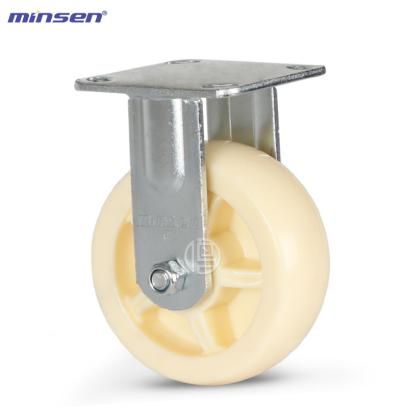
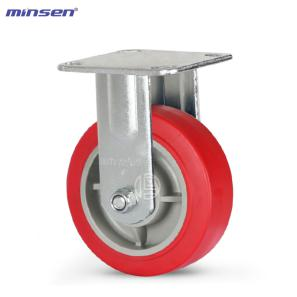
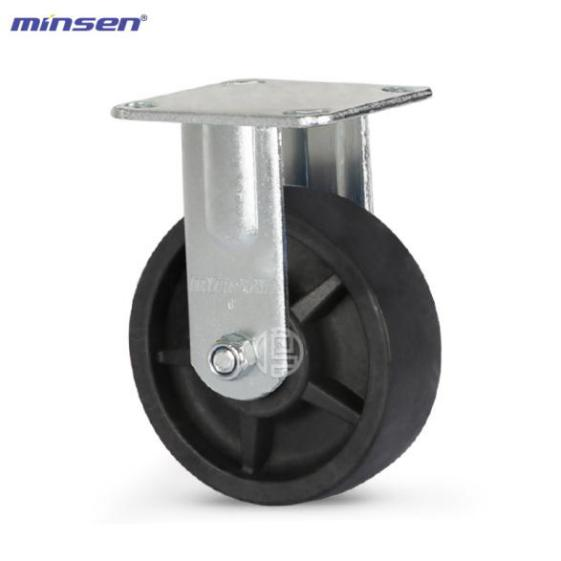
In the modern industrial landscape, the efficiency of material handling systems often rests on a surprisingly small component: the wheel. Whether in a sprawling automotive assembly plant or a precision food processing facility, the choice of castersdictates the mobility, safety, and longevity of equipment. Selecting the wrong specification can lead to catastrophic floor damage, repetitive strain injuries for workers, or costly downtime due to equipment failure.
As facilities move toward greater automation and higher load capacities, understanding the technical nuances of wheel materials and housing designs has become a prerequisite for operational success. This guide explores how to optimize your mobility solutions for both extreme weight and extreme temperatures.
The Foundation of Strength: Why Load Capacity Matters
When dealing with heavy machinery, storage racks, or transport dollies, the primary concern is the "static" versus "dynamic" load. A cart might sit still under a heavy load easily, but the moment it begins to move, the friction and force exerted on the mounting plates change drastically. This is why many industrial sectors rely exclusively on heavy duty casters.
These specialized components are engineered with forged steel housings, reinforced swivel bearings, and high-tensile axles to ensure they can withstand thousands of pounds without deforming. Beyond mere strength, these heavy-duty options are designed to reduce "rolling resistance," meaning less force is required to initiate movement, thereby protecting the health of the operators and the integrity of the flooring.
Not all industrial environments are room-temperature. In bakeries, powder coating facilities, and smelting plants, equipment must frequently pass through industrial ovens or autoclaves. Standard rubber or polyurethane wheels will melt or degrade rapidly under such conditions, leading to dangerous failures.
To combat this,high temp caster wheelsare manufactured from advanced materials such as phenolic resins, glass-filled nylon, or specialized cast iron. These wheels are not only heat-resistant but are also designed with high-temperature lubricants that do not thin out or leak when exposed to temperatures exceeding 250°C (480°F). Using the correct thermal-rated wheel ensures that your production line remains continuous, even in the most intense thermal processing zones.
Technical Comparison: Selecting the Ideal Caster Configuration
To help facility managers determine the best fit for their specific environment, the following table compares common industrial caster materials based on their performance metrics.
Material Type
Load Capacity
Temperature Range
Floor Protection
Best Application
Polyurethane on Iron
High
-30°C to 80°C
Excellent
Warehousing & General Mfg
Phenolic Resin
Moderate to High
-40°C to 250°C
Moderate
Industrial Ovens & Bakeries
Forged Steel
Extreme
-40°C to 350°C+
Low (Heavy)
Smelting & Heavy Forging
Thermoplastic Rubber
Low to Moderate
-20°C to 60°C
Superior
Hospitals & Laboratories
Cast Iron
High
-40°C to 400°C
Low
High-Heat Heavy Transport
Enhancing Ergonomics and Safety
Beyond the load and temperature, the "swivel lead" and "turning radius" of a caster significantly impact the ergonomics of a workspace. A longer swivel lead makes the cart easier to track in a straight line but harder to turn in tight corners. Conversely, a shorter lead allows for agile maneuvering but can cause "flutter" at higher speeds.
Safety is also enhanced through specialized braking systems. For heavy-duty applications, a "total lock" brake—which secures both the wheel rotation and the swivel direction—is essential for preventing unintended movement on inclined surfaces. Furthermore, integrated toe guards can be added to prevent foot injuries in high-traffic pedestrian zones.
Maintenance Best Practices for Industrial Longevity
To maximize the return on investment for your mobility hardware, a regular maintenance schedule is vital.
Lubrication: High-heat environments deplete grease faster. Ensure that swivel bearings are repacked with the appropriate thermal-grade lubricant every 3-6 months.
Debris Clearing: In manufacturing hubs, metal shavings or string can wrap around axles, increasing friction and heat. Regular cleaning prevents premature bearing wear.
Inspection for Flat Spots: If heavy loads are left stationary for extended periods on soft-tread wheels, "flat-spotting" can occur. Periodically moving equipment or using harder tread materials can mitigate this issue.
Conclusion
The evolution of material handling is a testament to the engineering found in the modern casters we use today. By carefully matching your equipment's requirements to high-performance heavy duty casters for weight management and high temp caster wheels for thermal resistance, you create a foundation for a safer and more efficient workplace. As industrial demands continue to push the boundaries of weight and heat, investing in the right mobility solutions remains a cornerstone of long-term operational excellence.