


English
Views: 0 Author: Site Editor Publish Time: 2026-05-22 Origin: Site


TL;DR: Selecting the correct warehouse transport equipment requires assessing weight capacity, spatial constraints, and floor type. Proper carts prevent workplace injuries and improve operational efficiency. Select steel-framed models for massive loads and aluminum for lightweight maneuverability.
Moving heavy materials across a busy warehouse floor presents a significant logistical challenge. Without the proper equipment, employees face increased risks of musculoskeletal injuries, and daily operations slow down to a crawl. Upgrading your material handling strategy is a critical step for modern businesses aiming to boost productivity and protect their workforce.
Evaluating your facility's specific needs allows you to match the right tool to the task. This guide covers how to assess cart specifications, compare materials, and implement maintenance routines that extend the lifespan of your investments.


Navigating the vast market of warehouse equipment starts with understanding the basic categories available. Each design serves a distinct purpose, from moving stacked boxes to transporting oversized manufacturing components.
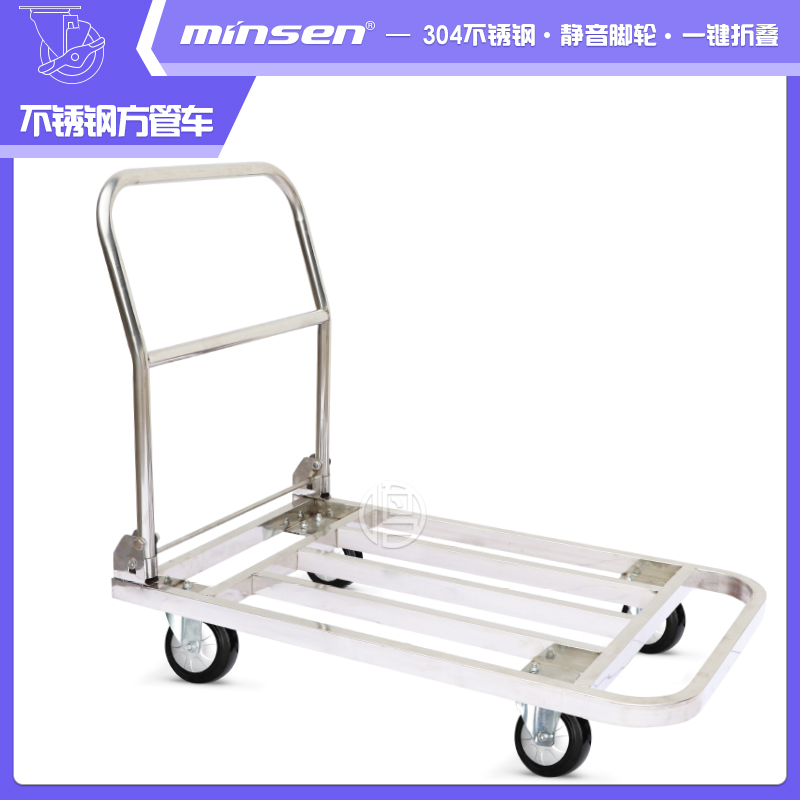
Platform carts offer a flat, wide surface ideal for bulky, odd-shaped items. Two-wheeled upright models excel at moving tall stacks of boxes with minimal effort. When dealing with appliances or massive crates, a heavy duty hand truck trolley provides the necessary leverage and reinforced frame to safely shift the load. Choosing the right design prevents structural failures and keeps your team moving smoothly.
Matching equipment to your operational needs requires a careful look at several decision criteria. Choose steel models if weight capacity matters more than portability. Select aluminum frames if your team needs to lift the equipment frequently into delivery vehicles.
A thorough assessment of your daily operations will reveal exactly which solutions fit best. Deploying high-quality industrial trolleys tailored to your specific environment reduces fatigue and speeds up inventory management.
To simplify your purchasing process, review the core specifications of common warehouse transport tools. The table below outlines typical applications and capacities.
Equipment Style | Average Capacity | Primary Material | Best Application |
Flat Platform | 500 - 1000 lbs | Steel / Heavy Plastic | Moving wide, bulky items |
Upright Two-Wheel | 300 - 800 lbs | Aluminum / Steel | Stacked boxes, delivery routes |
Pallet Jack | 3000 - 5000 lbs | Steel | Lifting and moving wooden pallets |
Specialty Cylinder Cart | 200 - 500 lbs | Steel | Transporting gas cylinders securely |

Even the most durable warehouse tools require consistent upkeep to function safely over time. Neglected equipment leads to rusted bearings, flat tires, and weakened frames. Establishing a routine inspection schedule prevents these minor issues from becoming costly replacements.
Inspect wheels and casters weekly to remove debris and apply lubrication. Check the handles and joints for hairline cracks, especially on items used at their maximum weight limit. When moving lighter daily shipments, a well-maintained hand truck trolley guarantees reliable performance and protects your employees from sudden equipment failure.
Optimizing your material handling processes creates a safer, more efficient workplace. By understanding the distinct advantages of various equipment types and maintaining them properly, you set your team up for long-term success. Evaluate your current inventory of transport tools, identify the bottlenecks, and upgrade your equipment to keep your business moving forward.
The ideal weight capacity depends entirely on your daily tasks. Standard delivery carts typically handle between 300 and 500 pounds, while industrial-grade platforms can support upwards of 1,000 pounds. Always choose a capacity that exceeds your heaviest routine load by at least 20%.
Facility managers should enforce quick daily visual checks before use. Conduct comprehensive maintenance inspections—checking tire pressure, bearing lubrication, and structural integrity—at least once a month to ensure safe operation.
Choose pneumatic (air-filled) tires if your environment features uneven surfaces, outdoor gravel, or transitions over thresholds, as they absorb shock well. Choose solid rubber wheels if you operate entirely on smooth indoor concrete, as they never go flat and require less maintenance.


