People frequently use the terms interchangeably when talking about moving equipment from one place to another. You might look at the bottom of a logistics cart and simply see round objects that facilitate movement. The distinction between these two components is actually quite significant in the material handling industry.
A wheel is merely a single circular component, while a caster is a complete assembly that includes the rotating mechanism and the mounting rig. Recognizing this distinction helps facility managers, engineers, and warehouse staff make better purchasing decisions. Choosing the wrong mobility solution can lead to equipment damage, workplace injuries, or highly inefficient daily operations.
Understanding the anatomy of these parts will save you time and money. Upgrading a damaged cart does not always require buying a completely new assembly, just as building a new platform from scratch requires more than just a circular rubber disc. Knowing exactly what each part does ensures your transport vehicles remain functional and safe.
We will explore the structural differences, load-bearing capacities, and specific use cases for both components to help you optimize your equipment. By the time you finish reading, you will know exactly which hardware component fits your specific project.
The Fundamental Definitions
To properly source hardware for your facility, you must first understand the basic mechanics of how these individual parts operate independently and together.
Anatomy of a Single Rolling Component
A basic circular component designed to rotate on an axle is just one part of the equation. It consists of a solid disc or a circular frame with spokes, typically made from materials like rubber, polyurethane, nylon, or forged steel. The very center contains a hub, which usually houses a bearing to reduce friction during movement.
This part cannot attach directly to your equipment without additional hardware. If you buy this component by itself, you must already have a dedicated axle or a metal fork ready to receive it.
Anatomy of a Complete Assembly
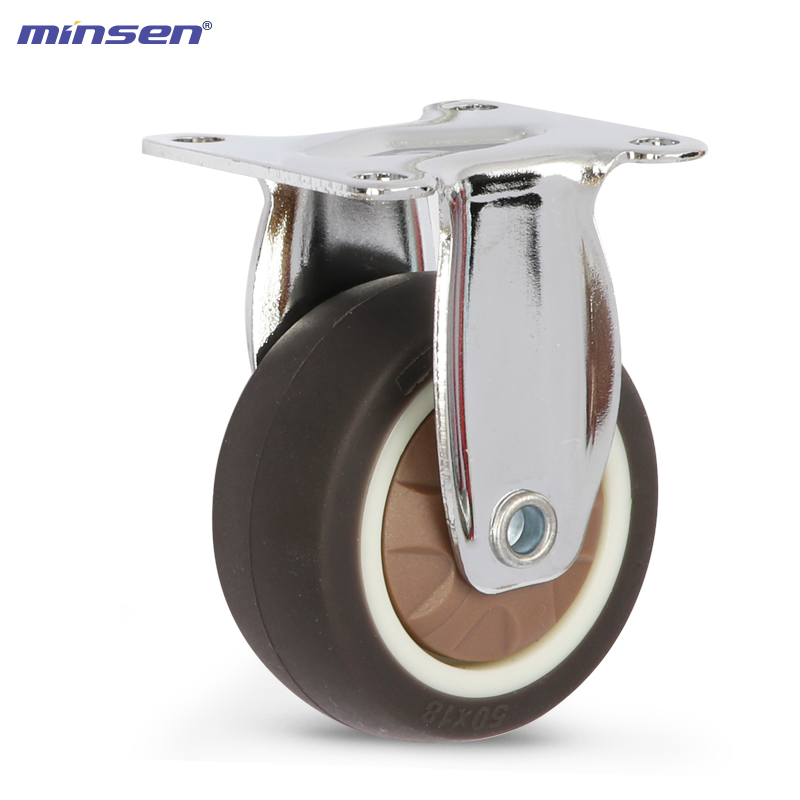
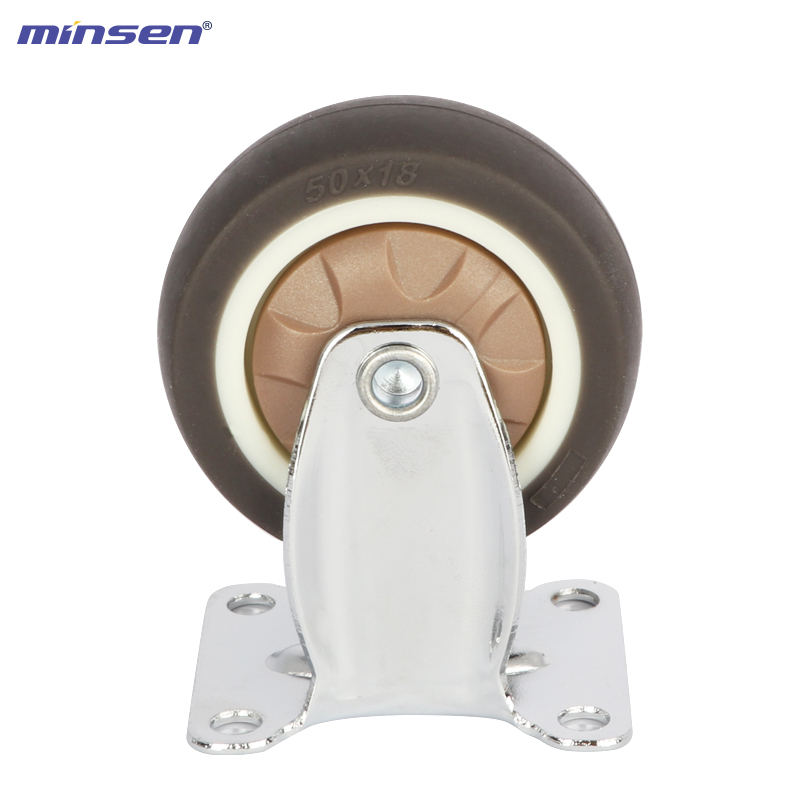
The complete unit includes a mounting bracket, sometimes called a fork or yoke, holding that circular part firmly in place. The bracket bolts, screws, or inserts into the bottom of a cart, medical bed, or industrial machine. This assembly allows the unit to bear weight securely while providing a stable, reliable connection point.
These assemblies come in two primary configurations: rigid and swivel. Rigid variations only allow equipment to roll in a straight line, forward and backward. Swivel variations feature a raceway with ball bearings, allowing the entire bracket to rotate 360 degrees for complex steering and maneuverability.
Key Structural Distinctions
Comparing the two items side-by-side reveals exactly why they serve different purposes in the purchasing cycle. The table below outlines the primary differences you need to consider before placing a hardware order.
Feature | The Single Component | The Complete Assembly |
Core Definition | A round part that rotates on a central axle | A mounting bracket housing a rotating part |
Installation Method | Requires an existing axle or metal fork | Mounts directly to equipment via a plate or stem |
Directional Movement | Rotates forward and backward only | Can rotate and swivel 360 degrees (if designed as such) |
Replacement Cost | Generally lower | Higher due to added structural hardware |
Maintenance Focus | Replaceable individually when tread wears out | May require replacing the whole unit if the metal bracket bends |
Common Applications and Uses
Different work environments demand highly specific material handling solutions. A warehouse moving massive pallets requires different hardware than a medical facility moving delicate diagnostic instruments.
Replacing Worn Parts
Simple round replacements work well when your existing bracket is still in perfect condition. If a cart's rubber tread wears down but the metal fork remains structurally sound, sliding a new round piece onto the axle is a highly cost-effective fix. Facility maintenance teams often keep spare rolling components in stock to quickly repair carts without discarding perfectly good metal brackets.
Upgrading for Industrial Environments
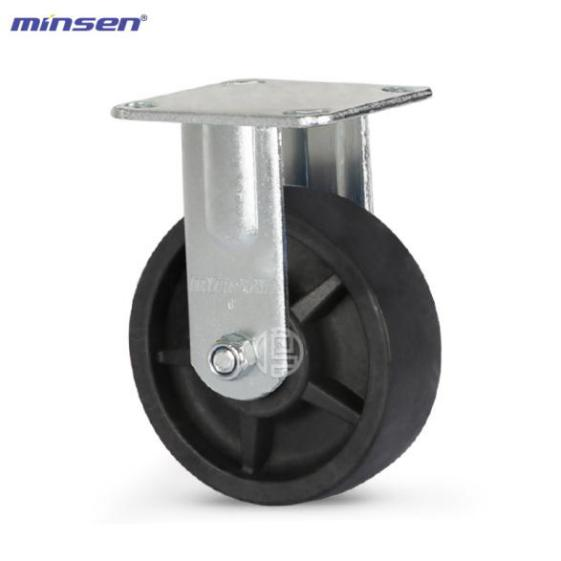
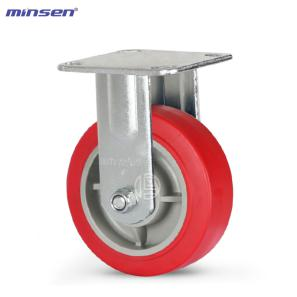
When upgrading industrial carts or outfitting new manufacturing equipment, you might need heavy duty casters to handle massive weight capacities and harsh floor conditions. These robust units feature thick metal plates, reinforced kingpins, and specialized bearings that distribute weight evenly across the entire unit.
Using complete assemblies built for industrial environments prevents floor damage while allowing workers to push thousands of pounds with minimal physical strain. Many of these robust assemblies also feature advanced braking mechanisms that lock both the rolling rotation and the swivel raceway simultaneously, ensuring heavy loads remain entirely stationary on sloped surfaces.
Selecting the Right Mobility Solution
Evaluating your specific needs involves looking at load capacity, floor type, and environmental factors. A factory floor covered in oil needs different materials than a carpeted office or a clean room in a hospital. Polyurethane offers excellent floor protection and quiet operation, while cast iron provides maximum weight capacity for extreme manufacturing environments.
Space constraints also heavily dictate your hardware choices. If you are building a low-profile trolley, medical cart, or moving lightweight furniture, a castor small enough to remain hidden while providing smooth rolling action is highly desirable. These compact units keep the overall center of gravity low, which prevents tall equipment from tipping over during transport while still navigating tight corners seamlessly.
You must also consider temperature resistance. Standard rubber components will melt or deform in bakeries, industrial ovens, or autoclaves. Specialized high-temperature assemblies utilize phenolic resin or specialized epoxies designed to withstand extreme heat without compromising structural integrity.
Making Your Final Decision
Securing the correct mobility hardware ensures your operations run smoothly, efficiently, and safely. Take the time to inspect your existing carts and equipment to determine if you simply need a replacement part for a worn-out tread, or a completely new mounting assembly to handle heavier loads.
Upgrading your hardware reduces physical strain on workers, protects your expensive flooring, and extends the overall lifespan of your transport vehicles. Check your load requirements, measure your mounting points carefully, evaluate your floor conditions, and choose the hardware that best aligns with your facility's daily demands.