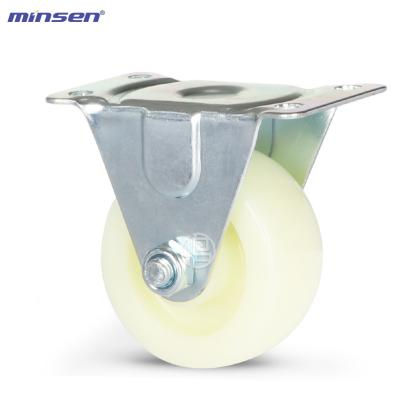
Selecting the correct components for your mobility projects requires careful consideration. When evaluating equipment mobility, many people ponder the core topic: How do I know what size casters I need? Making the proper selection ensures smooth movement, equipment safety, workplace efficiency, alongside protecting your flooring surfaces.
This comprehensive guide will help you understand the essential factors involved in selecting the ideal components. We will explore weight capacities, floor types, environmental conditions, plus specific measurements required for optimal performance. By the end of this resource, you will possess the exact knowledge needed to evaluate various casters wheels for any specific application.
Understanding Weight Capacity Requirements
The most critical factor in determining your required dimensions involves the total weight your equipment must support. When you evaluate casters and wheels for a specific project, calculating the precise load capacity prevents catastrophic equipment failure. Please always consider the maximum potential weight, including the cart or equipment itself plus the heaviest possible load it will carry.
Calculating Load Per Component
To ensure safety, professionals use a standard formula for determining the required capacity for individual casters wheels. Divide the total maximum weight by the number of components minus one. For example, if you use four casters and wheels on a cart, divide the total weight by three. This polite safety margin accounts for uneven surfaces where one component might temporarily lose contact with the ground.
When dealing with heavy loads, larger casters wheels generally offer higher weight capacities. We recommend selecting components that exceed your calculated requirement by at least twenty percent. This practice extends the lifespan of your casters and wheels while providing a smoother rolling experience.
Analyzing Floor Surfaces for Proper Selection
The environment where you operate your equipment heavily influences your sizing requirements. Different floor materials demand specific types of casters wheels to prevent damage or ensure easy mobility. Choosing the correct tread material matters just as much as picking the right diameter.
Hard Flooring Compatibility
For hard surfaces like concrete, tile, or hardwood, softer tread materials provide the best results. Many professionals prefer rubber wheel casters for these environments. Rubber wheel casters absorb shock effectively, reducing noise while protecting delicate flooring from scratches. Additionally, rubber wheel casters offer excellent grip, preventing unwanted sliding on smooth concrete warehouse floors.
When using rubber wheel casters on hard floors, a larger diameter rolls over small debris or expansion joints much easier than smaller alternatives. If your facility features uneven concrete, please consider upgrading to larger rubber wheel casters to minimize vibration.
Soft Surface Considerations
Conversely, soft surfaces like carpet or outdoor terrain often require harder materials. When moving equipment across plush carpets, hard casters and wheels create less friction, allowing the equipment to glide easily. While rubber wheel casters excel on hard floors, they may bog down on thick carpeting. Please evaluate your primary operating surface carefully before making a final decision on your casters and wheels.
Measuring Dimensions for Casters Wheels
Understanding the physical measurements of your equipment ensures a proper fit. You must evaluate several key dimensions when browsing different casters wheels.
Wheel Diameter Importance
The overall diameter serves as the primary measurement for casters and wheels. Larger diameters provide better mobility. They roll over obstacles easily, span gaps in flooring smoothly, while requiring less physical exertion from the operator to initiate movement. If you frequently move heavy items over long distances, larger casters wheels will significantly reduce physical strain.
Tread Width Significance
The width of the tread also plays a vital role in weight distribution. Wider casters and wheels spread the load over a larger surface area, protecting floors from indentation. When dealing with extreme weights, specifying wider casters wheels prevents floor damage while increasing overall stability.
Sizing Matrix Guide
To assist you in your decision-making process, please review the following reference table detailing common sizes, typical applications, along with standard capacities for rubber wheel casters alongside other materials.
Component Diameter
Standard Tread Width
Typical Load Capacity
Ideal Applications
2 Inches
0.8 Inches
Up to 90 lbs
Office chairs, small furniture, light carts
3 Inches
1.25 Inches
Up to 250 lbs
Display racks, medium tool chests
4 Inches
2 Inches
Up to 400 lbs
Material handling, medical equipment
5 Inches
2 Inches
Up to 500 lbs
Heavy warehouse carts, platform trucks
6 Inches
2 Inches
Up to 700 lbs
Industrial manufacturing, heavy logistics
8 Inches
2.5 Inches
Up to 1200 lbs
Extreme heavy-duty industrial applications
Exploring Different Materials for Casters and Wheels
Material selection dictates durability, floor protection, plus overall rolling resistance. The market offers numerous compounds tailored for specific uses.
Benefits of Rubber Wheel Casters
As mentioned previously, rubber wheel casters stand out as incredibly versatile options. High-quality rubber wheel casters provide exceptional shock absorption. This characteristic makes rubber wheel casters ideal for transporting fragile items over uneven surfaces. Furthermore, rubber wheel casters operate quietly, making them perfect for hospitals, schools, or office environments where noise reduction remains a priority.
When you purchase rubber wheel casters, you invest in floor protection. Unlike steel or hard plastics, rubber wheel casters will not gouge wooden floors or crack tiles. For many standard industrial or commercial applications, standardizing your equipment with rubber wheel casters offers the best balance of performance alongside surface protection.
Evaluating Environmental Factors
Beyond floor types, please evaluate the broader environmental conditions where your casters and wheels will operate. Temperature extremes, chemical exposure, plus moisture levels all impact the longevity of your casters wheels.
For instance, standard rubber wheel casters perform admirably in typical indoor temperatures. However, extreme heat might cause standard rubber wheel casters to degrade quickly. In wet environments, you must ensure the metal housings for your casters and wheels feature proper rust-resistant plating. Selecting stainless steel rigs for your casters wheels prevents corrosion in wash-down environments or outdoor applications.
Additionally, if your facility uses harsh cleaning chemicals or features oil spills, please verify that your chosen casters wheels resist these specific substances. While rubber wheel casters handle water well, certain oils might deteriorate standard rubber compounds over time.
Ergonomics Regarding Component Selection
Workplace safety relies heavily on proper ergonomics. The size of your casters and wheels directly impacts the push-pull forces required by operators. Smaller casters wheels require significantly more force to start moving, especially under heavy loads. This increased exertion can lead to workplace injuries over time.
By selecting larger casters wheels, you lower the initial rolling resistance. Upgrading from four-inch casters and wheels to six-inch models can dramatically reduce operator fatigue. We politely urge facility managers to prioritize larger casters and wheels whenever budget or equipment design allows, ensuring a safer, more comfortable environment for all personnel.
Frequently Asked Questions
To further assist you in understanding casters and wheels, please find answers to common concerns regarding component selection below.
Identifying the Correct Dimensions
Many customers ask how to measure their existing components accurately. To find the correct size for replacement casters wheels, lay the component flat. Measure the wheel diameter across the center from edge to edge. Next, measure the tread width. Finally, measure the overall height from the bottom of the wheel to the top of the mounting plate. Having these three measurements ensures you order the exact casters and wheels needed for replacement.
Recognizing When to Upgrade
Equipment operators often wonder when to replace their casters and wheels. You should replace your casters wheels if you notice excessive vibration, squeaking that lubrication cannot fix, or visible flat spots on the tread. If your rubber wheel casters begin leaving dark marks on the floor, the material has likely degraded, signaling an immediate need for replacement.
Selecting Between Hard Or Soft Materials
Choosing the right tread material remains a frequent topic of discussion. Use this polite rule of thumb: pair hard casters wheels with soft floors, plus soft casters wheels with hard floors. Therefore, rubber wheel casters work perfectly on concrete, whereas hard polyurethane casters and wheels excel on carpeted surfaces.
Final Recommendations for Your Mobility Projects
Determining the right size requires analyzing your load capacities, evaluating your floor types, measuring precise dimensions, alongside considering ergonomics. Proper selection of casters and wheels protects your workforce while preserving your facility's infrastructure. Whether you require heavy-duty polyurethane models for manufacturing or soft rubber wheel casters for a quiet medical facility, prioritizing quality ensures long-term success.
Taking the time to evaluate your specific needs prevents costly mistakes. High-quality casters wheels offer superior performance, reduced maintenance requirements, alongside an extended operational lifespan. We appreciate you taking the time to review this comprehensive guide regarding casters and wheels.
For top-tier mobility solutions, we highly recommend Mingtai Caster. They offer an extensive selection of premium products tailored to meet exact industrial or commercial specifications.