TL;DR:
Choosing the right caster wheel depends on load capacity, floor surface, and operating environment. A specialized custom caster wheels manufacturer can provide purpose-built solutions that standard off-the-shelf products often can't match—reducing downtime, protecting floors, and improving operational safety across industrial, medical, and logistics applications.
Caster wheels are one of those components that rarely get attention until something goes wrong. A wheel that can't handle the load cracks. One made from the wrong material leaves marks on polished floors. A bracket that wasn't designed for extreme temperatures fails mid-shift. These aren't minor inconveniences—they're safety risks and costly disruptions.
The difference between a caster that performs and one that fails usually comes down to one decision: whether you sourced it from a supplier who understands your application or simply grabbed the cheapest option available. For procurement managers, operations teams, and facility engineers, that distinction matters more than most product categories.
This guide breaks down how to select the right caster wheels for your facility, what specifications to prioritize, and why working with a manufacturer that offers both standard and custom solutions can directly impact your bottom line.
What factors determine the right caster wheel for your application?
Before comparing products or suppliers, you need to map your actual requirements. Caster selection comes down to four core variables:
Load capacity: Calculate the total cart weight (equipment + maximum load), then divide by the number of wheels minus one. This accounts for uneven weight distribution and ensures no single wheel operates beyond its rated limit.
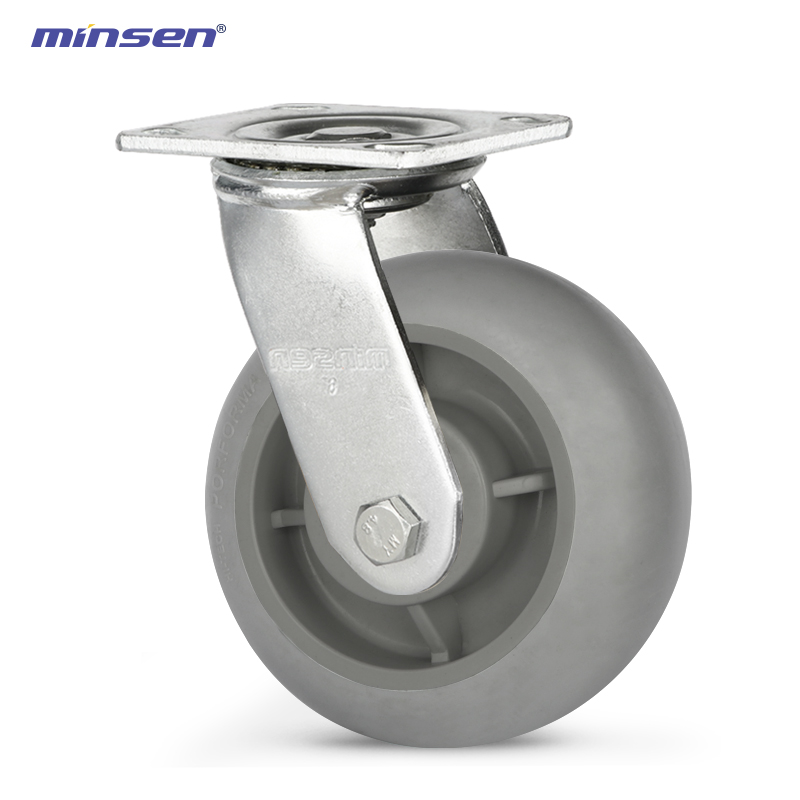
Floor surface: Hard floors like concrete or epoxy coatings pair well with softer wheel materials (TPR, polyurethane) that absorb impact without causing surface damage. Rough or uneven surfaces may call for pneumatic or shock-absorbing options.
Operating environment: Temperature extremes, chemical exposure, moisture, and static electricity all affect material selection. A caster that performs well on a warehouse floor may fail completely inside a food-processing facility or near electrical equipment.
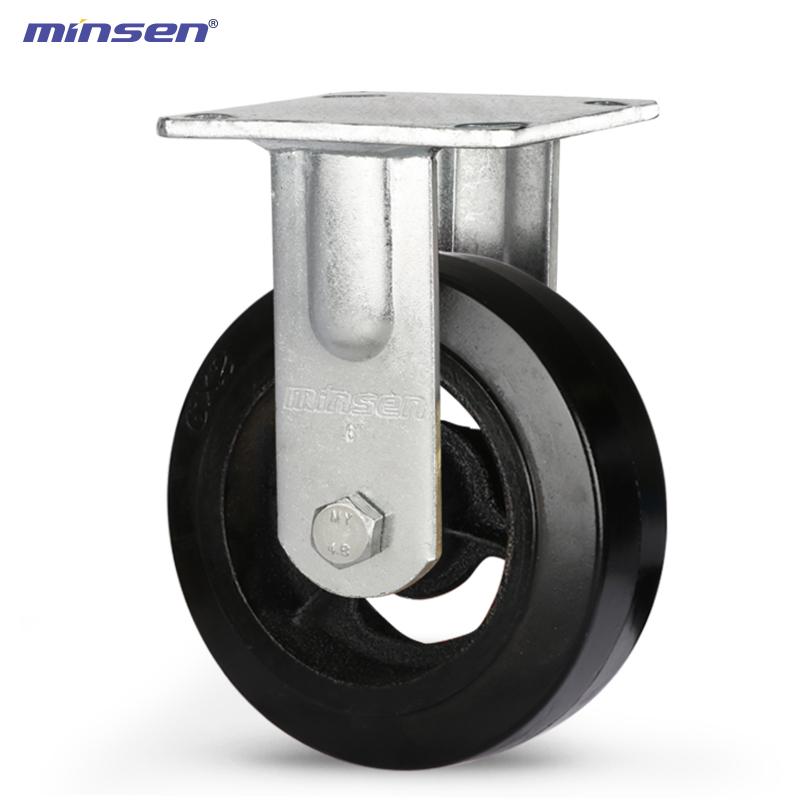
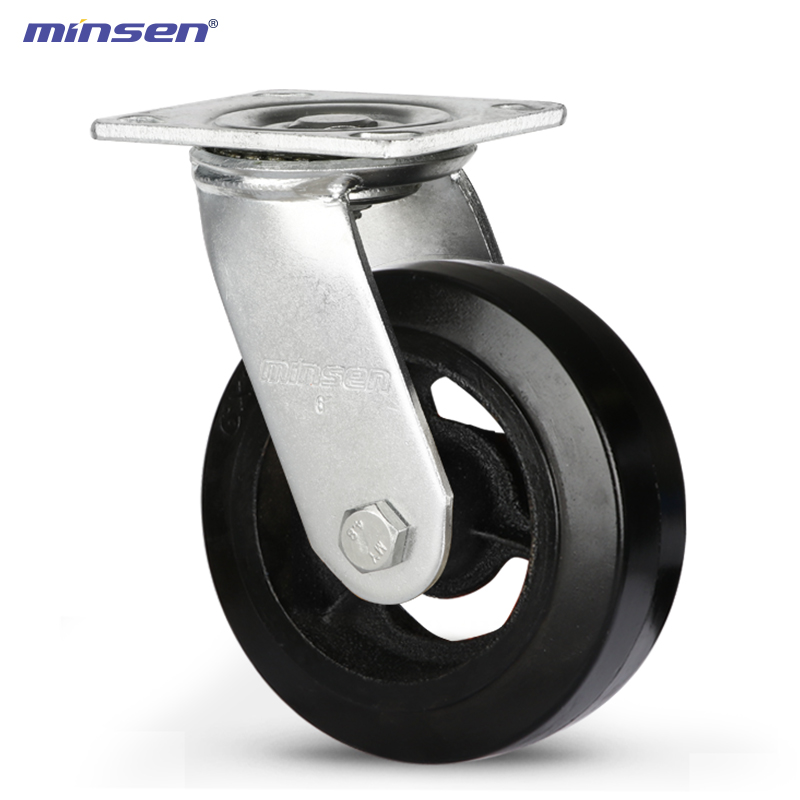
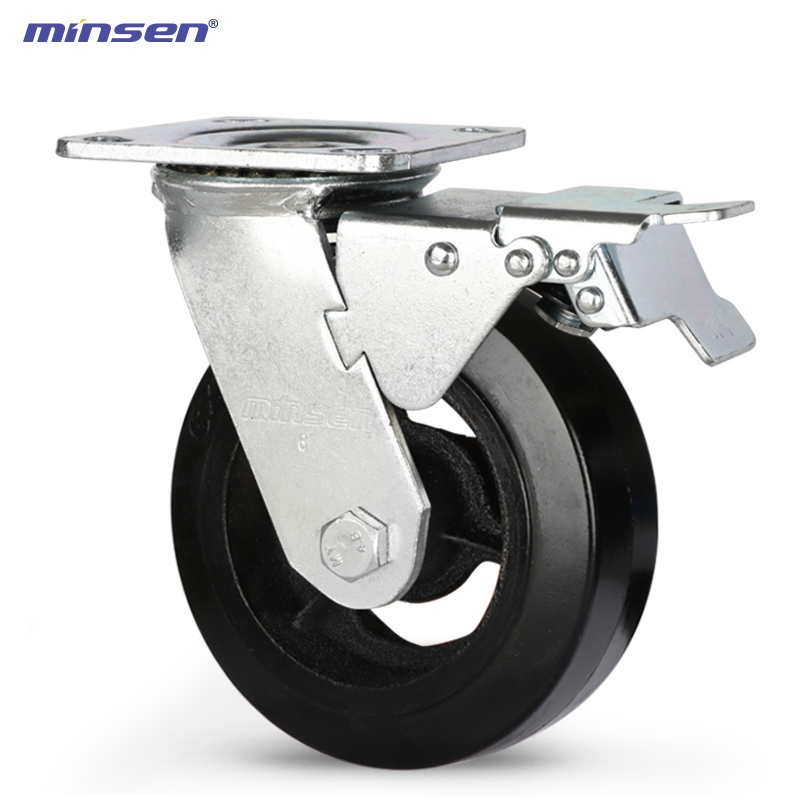
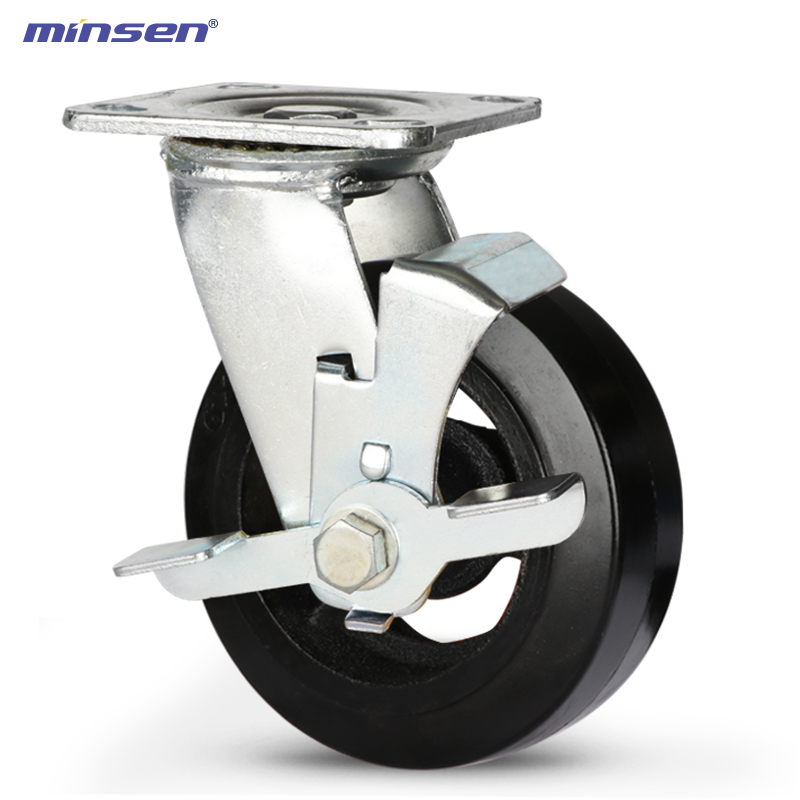
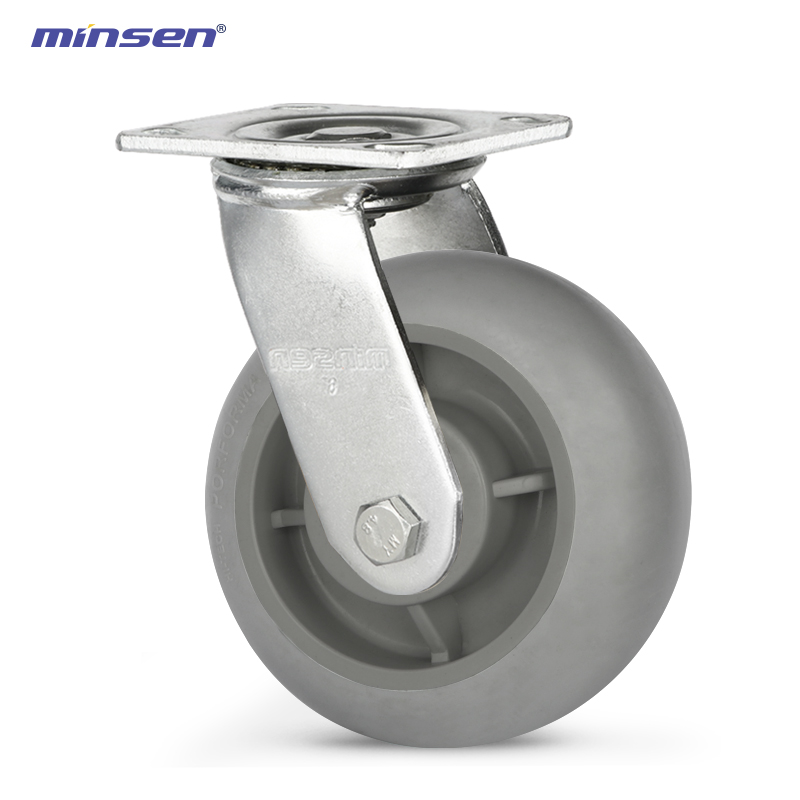
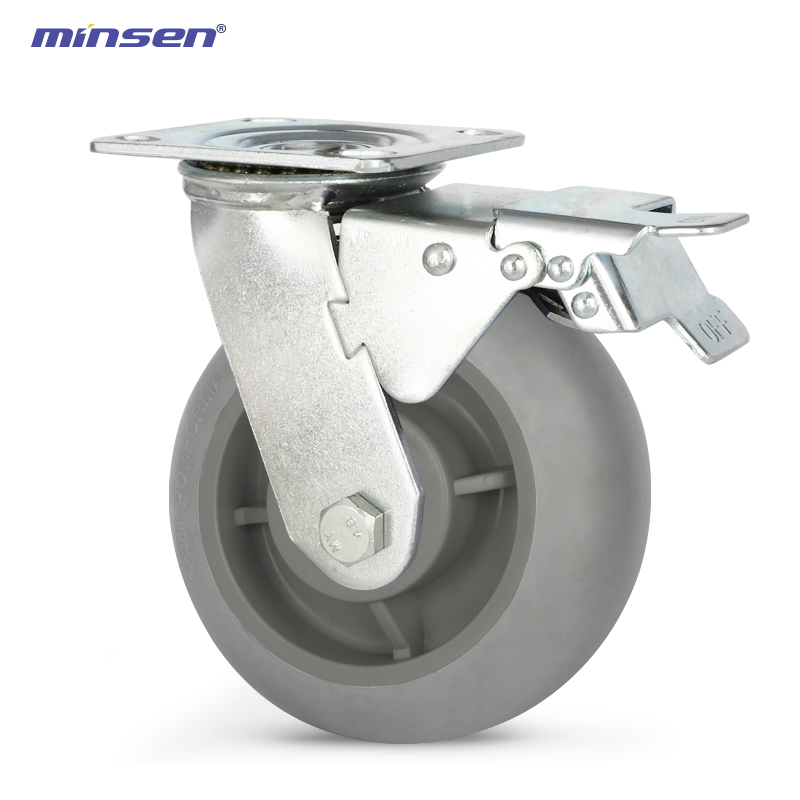
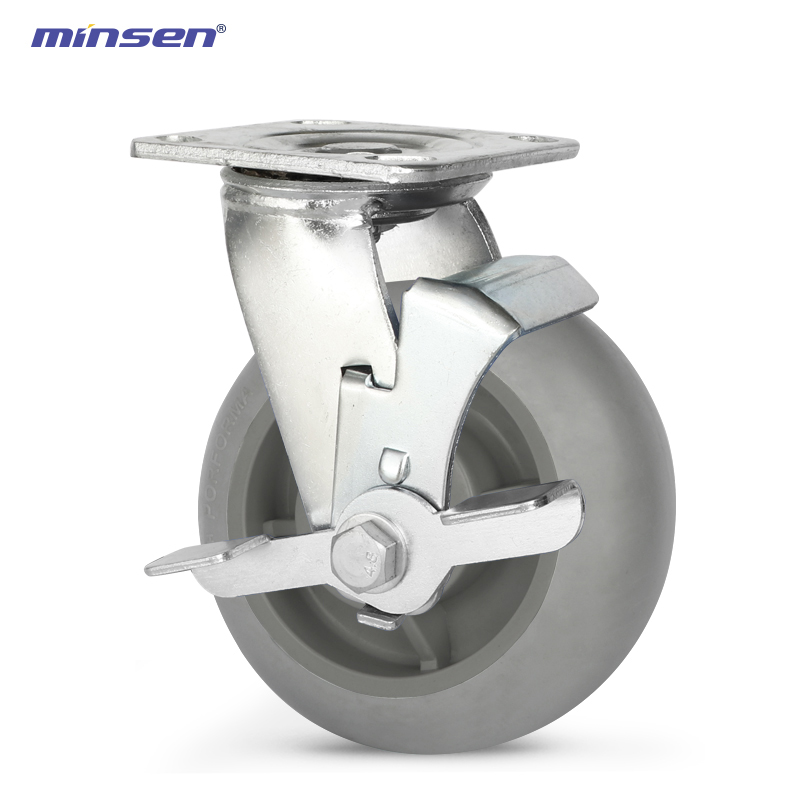
Mobility type: Swivel casters offer directional flexibility; rigid casters provide straight-line stability. Most industrial carts use a combination of both.
Getting these four factors right before you buy eliminates most of the costly mismatches that facilities encounter.
How do standard caster wheels compare to custom-built options?
For straightforward applications—light to medium loads, standard floor conditions, no unusual environmental factors—off-the-shelf casters from a reliable industrial caster wheels supplier are often sufficient. They're cost-effective, readily available, and easy to replace.
Custom-built casters become the better choice when standard specifications fall short. This includes applications with unusually high load ratings, non-standard mounting configurations, specific wheel diameters not found in standard ranges, or environments that require specialized materials like stainless steel, high-temperature composites, or conductive compounds for ESD-sensitive areas.
The table below summarizes when each option makes the most sense:
Application Type | Recommended Option | Key Consideration |
Light logistics carts (< 200 kg) | Standard caster | Cost efficiency, fast replacement |
Heavy warehouse equipment | Heavy duty standard or custom | Load rating must exceed max payload |
Food processing facilities | Stainless steel or custom | Hygiene and corrosion resistance |
ESD-sensitive environments | Antistatic/conductive custom | Prevent static buildup near electronics |
High-temperature ovens/kilns | High-temp rated custom | Standard materials degrade above 80°C |
Medical/hospital equipment | Medical-grade standard or custom | Smooth rolling, low noise, hygiene |
Outdoor/rough terrain | Pneumatic or foam-filled custom | Shock absorption, puncture resistance |
Use this as a starting framework. Your supplier should be able to refine the recommendation once they understand your specific load and environmental data.
Why does manufacturing quality directly affect operational performance?
A caster wheel is a mechanical component operating under continuous stress. The bracket, axle, bearing, and wheel material all interact under load, vibration, and repeated directional changes. Low-quality manufacturing—whether in material sourcing, stamping tolerances, or bearing assembly—shortens service life and increases the risk of failure under load.
This is where working with a heavy duty caster wheels manufacturer that controls its full production process pays off. Manufacturers with in-house stamping, rubber processing, and injection molding can maintain tighter tolerances and respond faster to quality issues than those relying on multiple outsourced suppliers.
End-to-end production control also enables faster customization. When the same facility handles tooling, molding, and assembly, lead times on custom specifications drop significantly compared to coordinating across separate vendors.
What MINSEN offers as a full-range mobility solutions manufacturer
MINSEN (Kaiping Mingtai Caster Manufacturing Co., Ltd.) was established in 2010 in Kaiping, Guangdong Province. The company operates an 8,000㎡ manufacturing facility equipped with hardware stamping, rubber processing, and large-format injection molding equipment—covering the full production process from raw material to finished product.
MINSEN's product range spans universal casters, specialty casters, medical-grade wheels, high-temperature resistant casters, antistatic and conductive casters, and a full line of trolleys and hand carts. For customers with unique requirements, MINSEN operates as a custom caster wheels manufacturer, accepting OEM orders with support for custom dimensions, materials, bracket configurations, and color options.
The customization process follows a structured workflow: requirements review, material selection, sample production, deposit, manufacturing, delivery, and after-sales support. Customers are kept informed at each stage, and the company's direct-from-factory model eliminates middleman markups—delivering better value at equivalent or lower price points than distributor-sourced alternatives.
MINSEN products serve industries including logistics, manufacturing, medical, food processing, automotive, and hospitality. The company currently exports to markets across Asia, Europe, and North America.
Making the right sourcing decision for your facility
Selecting a caster supplier isn't just a procurement task—it's an operational decision. The right partner reduces downtime, prevents floor damage, and ensures the mobility components in your facility meet both current and future load requirements.
If your current casters are failing prematurely, leaving floor marks, or simply weren't designed for your specific environment, it's worth consulting with a manufacturer who can review your application requirements and recommend a purpose-built solution. Contact MINSEN's team directly at sales@mingtaicaster.com to discuss your requirements and request a product sample or custom quote.
Frequently asked questions
What is the difference between a caster and a wheel?
A caster is the complete assembly—bracket, axle, bearing, and wheel. A wheel is just the rolling component. Most industrial applications require the full caster assembly, but replacement wheels are also available when only the rolling surface needs to be changed.
How do I calculate the right load capacity for my casters?
Divide the maximum total weight of your cart (including contents) by the number of wheels minus one. This accounts for weight distribution imbalance. For example, a 1,200 kg cart on four wheels should use casters rated for at least 400 kg each (1,200 ÷ 3 = 400 kg per wheel).
What wheel material is best for warehouse floors?
Polyurethane (PU) and thermoplastic rubber (TPR) are the most common choices for warehouse environments. PU offers high load capacity and floor protection. TPR provides softer rolling and better noise reduction. The right choice depends on load weight and floor surface condition.
When should I use antistatic or conductive casters?
Use antistatic casters in environments where static discharge could damage electronic components or ignite flammable materials—such as electronics manufacturing, chemical storage, or cleanrooms. Conductive casters provide a direct path to ground; antistatic versions slow the buildup of static charge.
Can MINSEN produce casters with non-standard dimensions or mounting configurations?
Yes. MINSEN accepts OEM and custom orders for non-standard wheel diameters, bracket sizes, axle configurations, and materials. Customers can submit their specifications directly to the MINSEN team for a design proposal and sample before committing to full production.
What is the minimum order quantity for custom caster wheels from MINSEN?
MOQ varies depending on the level of customization required. Contact MINSEN's sales team at sales@mingtaicaster.com with your specifications for a tailored quote and MOQ guidance.