Quick answer:
6 inch heavy duty casters typically support between 600 and 1,500 pounds per wheel, depending on the wheel material and mounting type. Their large diameter rolls over cracks and debris with less effort, making them ideal for warehouse carts, industrial trolleys, and heavy machinery that move across rough floors every day.
When equipment fails to move smoothly, the problem often sits right at the bottom—the wheels. Picking the right caster size affects load capacity, floor protection, push effort, and worker safety. Get it wrong, and you face damaged floors, noisy operations, and even injuries.
This guide breaks down how larger casters perform, how they compare to smaller sizes, and which option fits your facility best. You'll learn how to match wheel diameter to your load, your floor type, and your daily workflow. By the end, you'll know exactly what to look for before placing an order.
Manufacturers like Minsen, established in 2010 in Kaiping, China, produce a full range of mobility hardware—from light-duty wheels to extra heavy-duty models built for demanding industrial use.
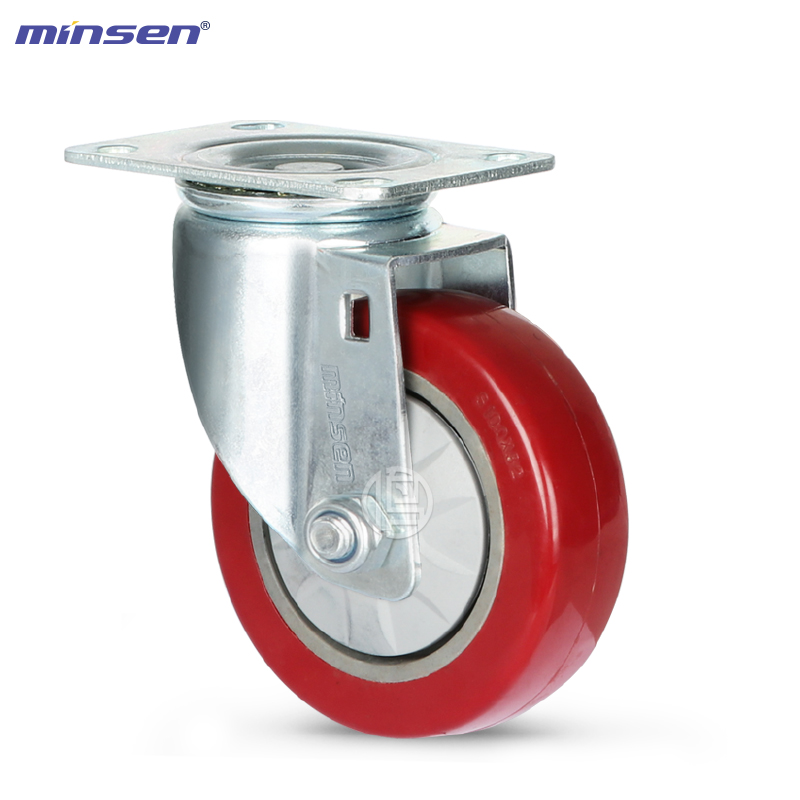
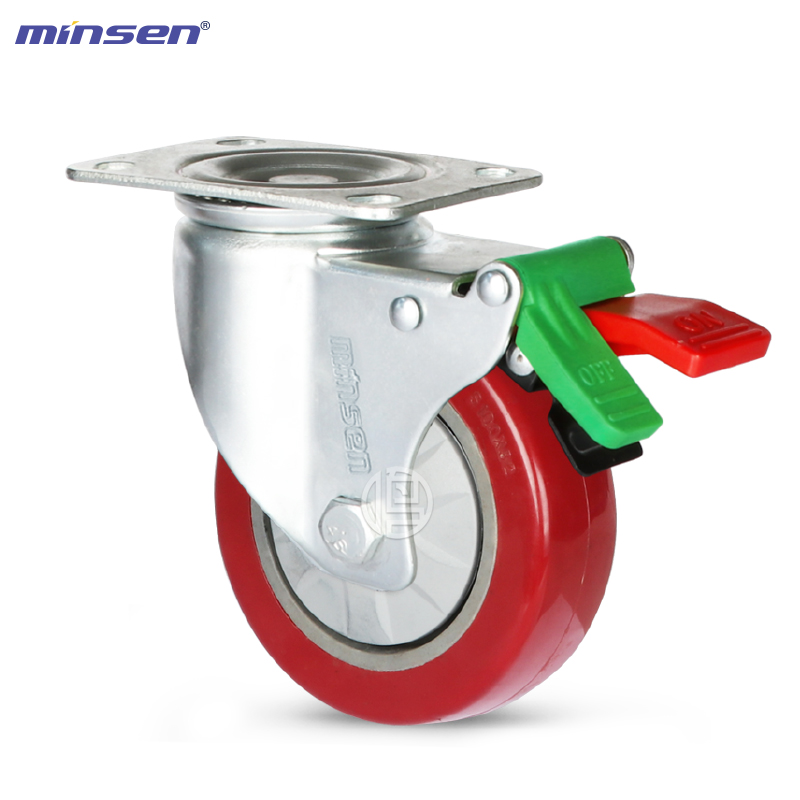
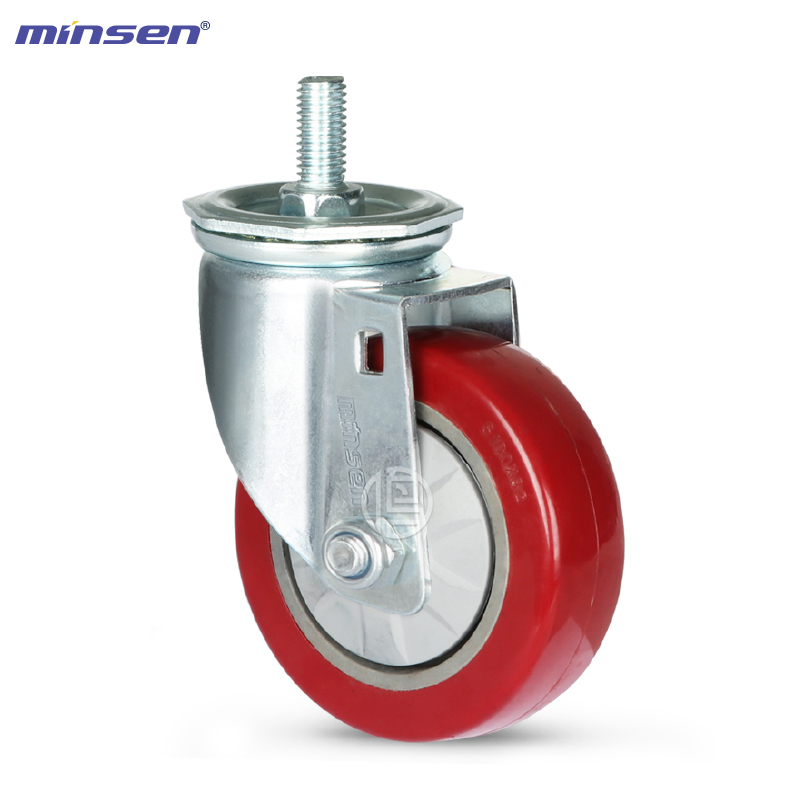
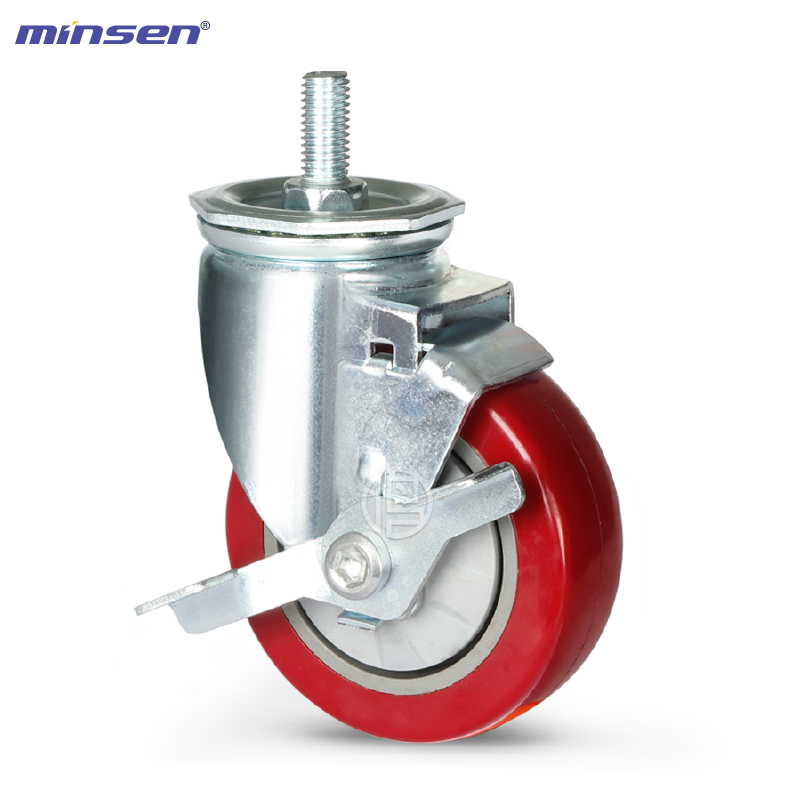
Why does wheel diameter matter so much for load capacity?
Wheel diameter directly shapes how a caster performs under weight. A larger wheel spreads the load over a wider contact area and rolls more easily across uneven surfaces. That means less push effort for your workers and less stress on the wheel itself.
Bigger wheels also clear obstacles better. A small wheel jams on a crack or a cable, while a large wheel rolls right over it. This reduces sudden stops, protects your cargo, and lowers the risk of tipping.
Here's a key formula for safe loading: divide your total cart weight by the number of wheels minus one. This accounts for uneven weight distribution on imperfect floors. For a 3,000-pound load on four casters, you'd calculate 3,000 ÷ 3 = 1,000 pounds needed per wheel.
How do different caster sizes compare in real-world use?
Choosing a size comes down to your load, your space, and your floor. Larger wheels handle more weight and roll smoother, but they raise the deck height of your cart. Smaller wheels keep loads low and stable but work harder over rough ground.
The table below compares common sizes to help you decide:
Wheel Size | Typical Load Range (per wheel) | Best For | Floor Type |
3 inch | 250–500 lbs | Tool carts, light trolleys, displays | Smooth indoor floors |
4 inch | 400–800 lbs | Service carts, medium equipment | Indoor warehouse floors |
5 inch | 600–1,000 lbs | Industrial carts, racks | Mixed surfaces |
6 inch | 600–1,500 lbs | Heavy machinery, pallet movers | Rough or cracked floors |
8 inch | 1,000–2,500 lbs | Extra heavy industrial loads | Outdoor or damaged surfaces |
Note that these ranges shift based on wheel material. A polyurethane wheel and a cast iron wheel of the same size carry very different loads.
When should you choose a smaller caster instead?
Bigger isn't always better. Smaller casters earn their place in specific situations, and ignoring them can cost you both stability and money.
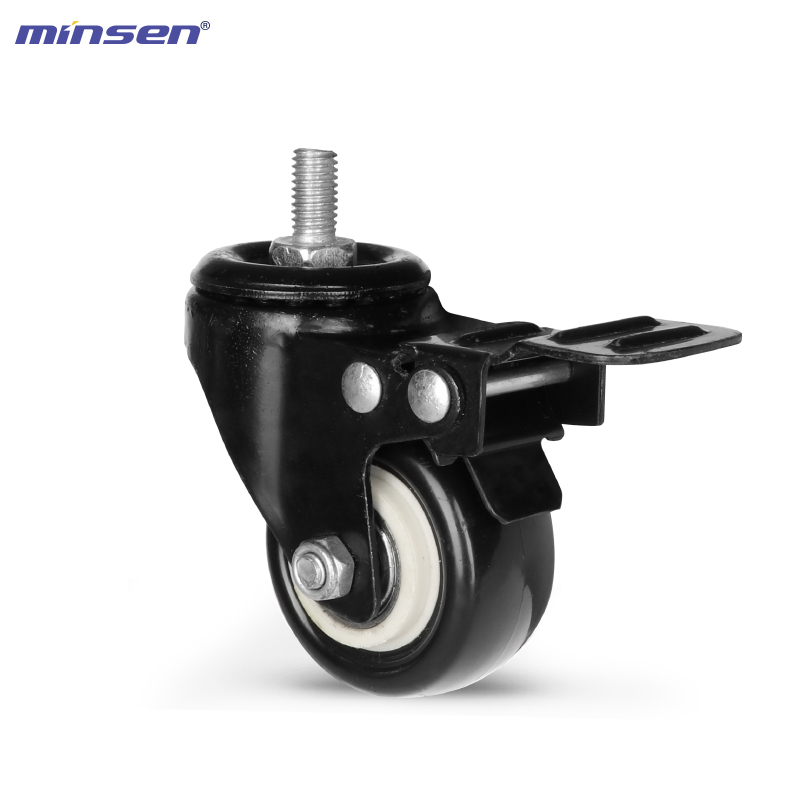
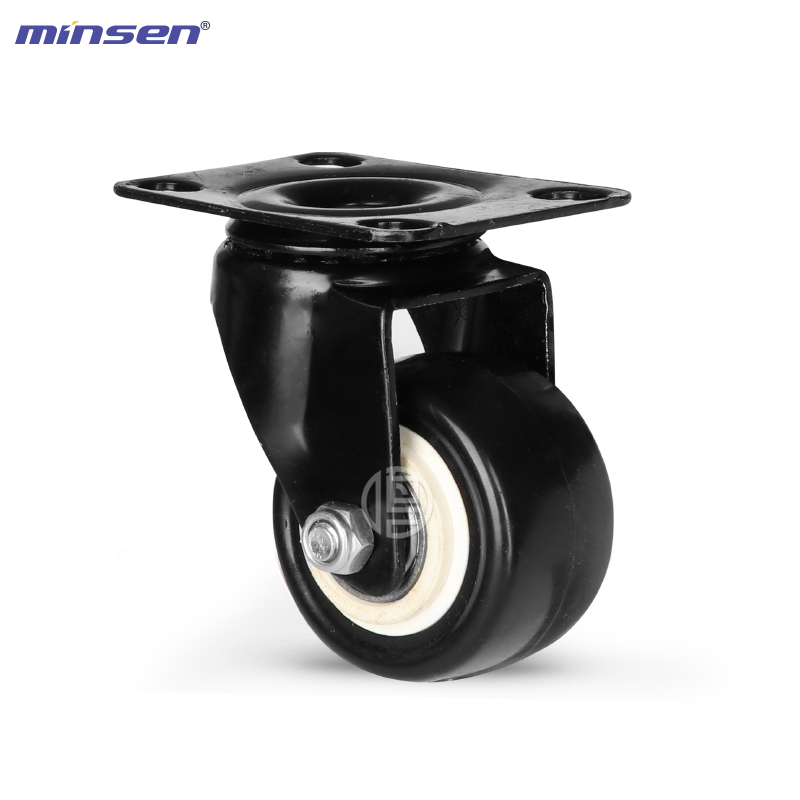
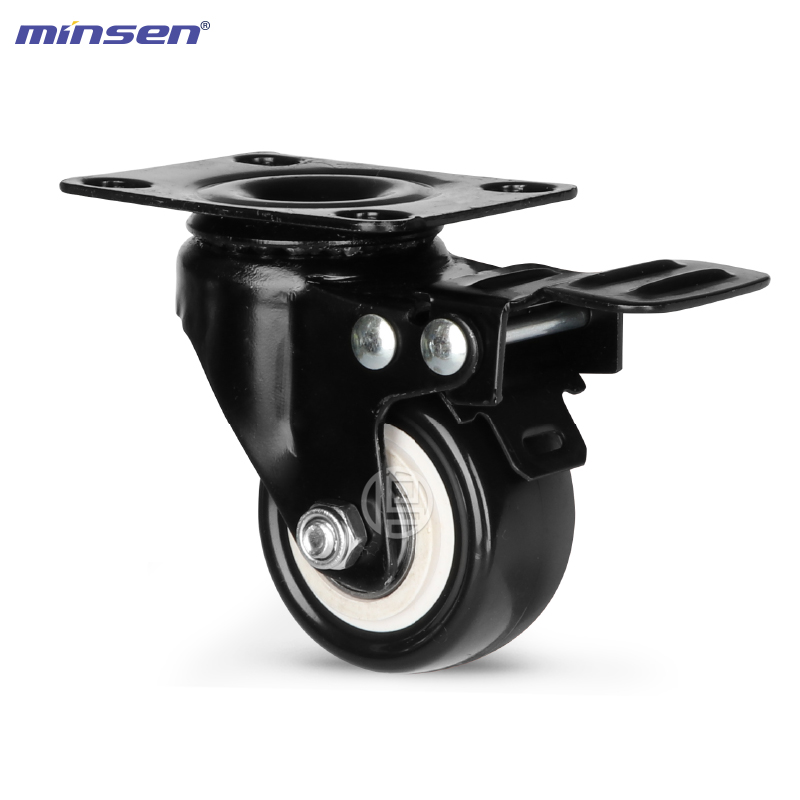
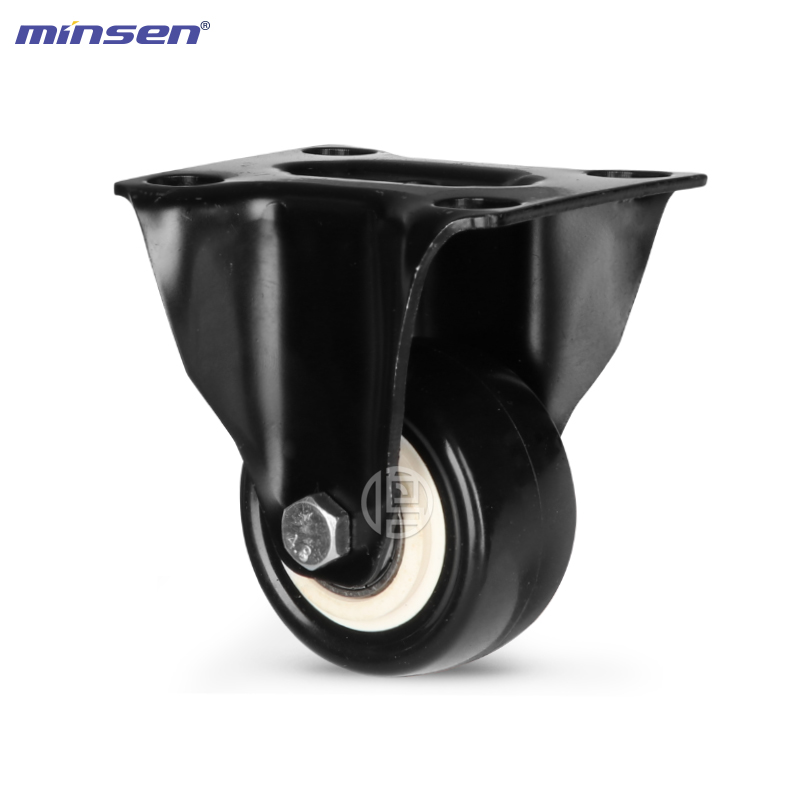
Choose smaller wheels if a low deck height matters more than rolling ease. A lower cart is easier to load by hand and less likely to tip with tall cargo. For light tool carts and display units, 4 inch steel caster wheels offer a strong balance of durability and a compact footprint on smooth indoor floors.
For the lightest jobs—mobile shelving, small instrument carts, or compact workstations—3 inch heavy duty caster wheels keep loads close to the ground while still handling respectable weight. They also fit into tight spaces where larger wheels simply won't.
The rule of thumb: match the wheel to the heaviest load it will ever carry, then add a safety margin. Undersized wheels wear out fast and create hazards.
What floor and environment factors should you consider?
Your floor surface decides how well any caster performs. Hard wheels like cast iron or steel roll easily but can crack tile or scratch sealed concrete. Softer wheels like rubber or polyurethane protect floors and run quietly, though they may leave marks or wear faster under extreme loads.
Environmental conditions matter too:
Temperature extremes: Standard wheels degrade in high heat. Look for high-temperature-resistant models rated for 230°C to 310°C if you work near ovens or kilns.
Chemicals and oil: Stainless steel and certain polyurethane wheels resist corrosion and oil better than standard options.
Debris and cracks: Larger diameters roll over obstacles, reducing wear and sudden stops.
Noise: Softer wheels run quieter, which improves comfort in busy or shared workspaces.
Matching the wheel material to your environment extends its life and keeps your operation running smoothly.
Build a mobility setup that lasts
The right caster keeps your facility moving safely and saves money over time. Start by calculating your true load per wheel, then factor in your floor type and any temperature or chemical exposure. Pick a diameter that handles obstacles without raising your deck height too far.
A reliable supplier makes this easier. Minsen offers OEM customization, strict quality testing, and direct factory pricing across its full caster range. Each wheel passes multiple tests for wear resistance, load-bearing, and rotation.
Ready to upgrade your equipment? Review your heaviest loads, measure your floors, and reach out to a caster specialist to confirm the best fit before you buy.
Frequently asked questions
How much weight can a 6 inch heavy duty caster hold?
Most 6 inch heavy duty casters support 600 to 1,500 pounds per wheel. The exact rating depends on the wheel material—cast iron and steel handle the upper end, while softer rubber or polyurethane wheels carry less but protect floors better.
How do I calculate the right load rating for my casters?
Divide your total cart weight by the number of wheels minus one. For example, a 2,000-pound load on four casters needs each wheel rated for at least 667 pounds (2,000 ÷ 3). This formula accounts for uneven weight on imperfect floors.
Are larger casters always better than smaller ones?
No. Larger casters roll easier and carry more, but they raise the deck height and can make tall loads less stable. For light loads, tight spaces, or low-profile carts, smaller wheels are the safer and more practical choice.
What wheel material works best for greasy or oily floors?
Stainless steel and oil-resistant polyurethane wheels perform best in greasy environments. They resist corrosion and maintain grip where standard rubber or steel wheels would degrade or slip over time.
Can I order custom casters for a specific application?
Yes. Manufacturers like Minsen provide OEM and ODM services, allowing you to customize size, color, material, and load capacity to match your exact equipment and operating conditions.