Quick answer:
A folding hand truck trolley is a wheeled cart with a collapsible frame that helps you move heavy loads while storing flat when not in use. It combines portability, strong load capacity, and space savings, making it ideal for warehouses, retail stores, offices, and home use.
Moving boxes, equipment, or supplies by hand wears down both your back and your schedule. The right wheeled cart changes that. Among material handling tools, the folding hand truck trolley stands out because it folds flat for storage yet handles serious weight when you need it. This guide breaks down how these carts work, what features matter most, and how to pick the model that fits your job.
You will learn how foldable carts compare to fixed models, which specifications to check before buying, and where these tools perform best. By the end, you should feel confident choosing equipment that lasts and earns back its cost.
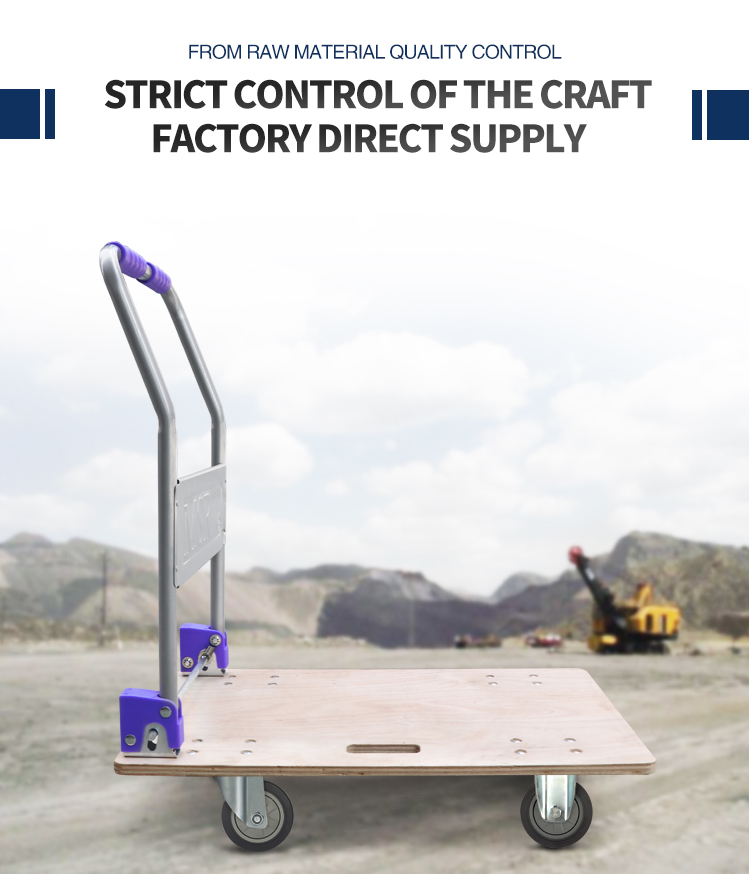
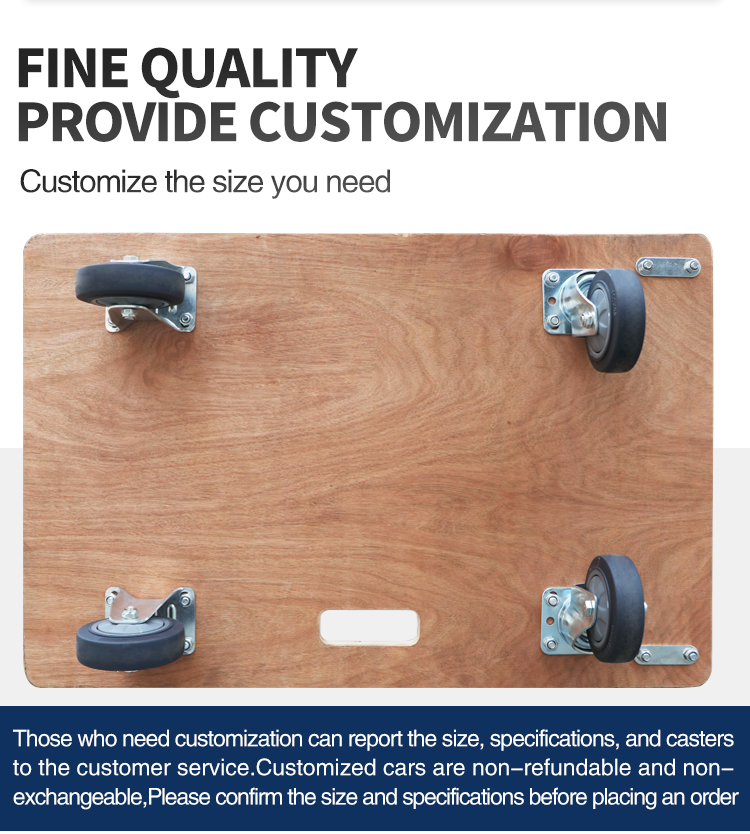
What is a folding hand cart and how does it work?
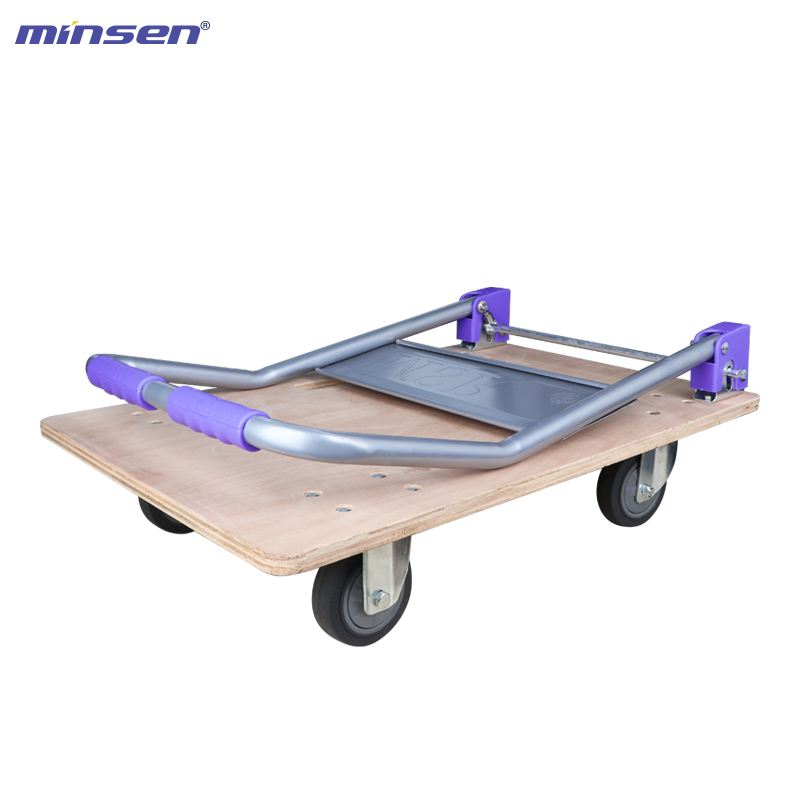
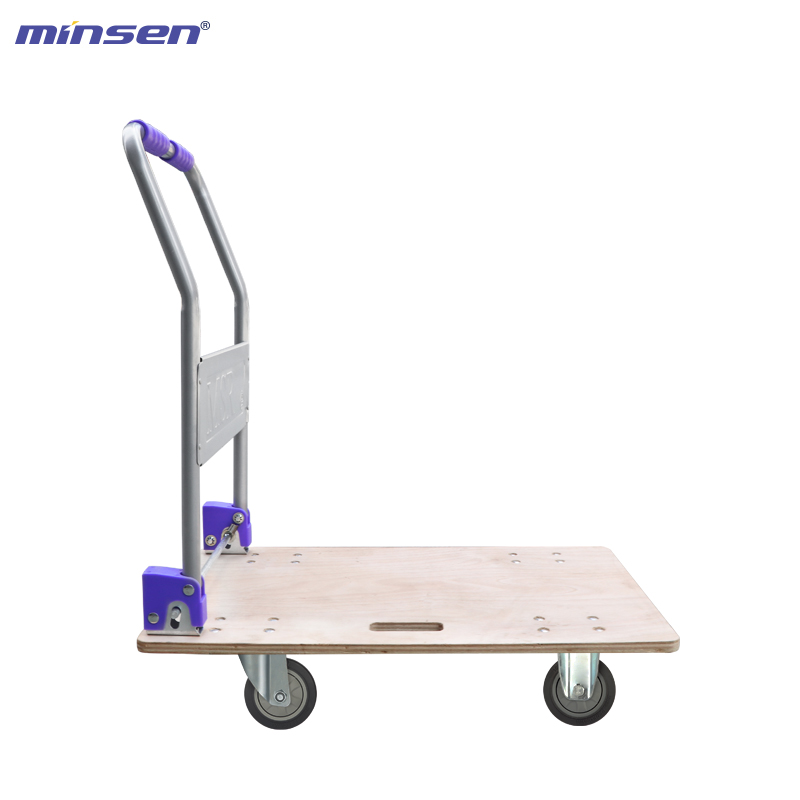
A folding hand cart is a transport tool built around a hinged or collapsible frame. When extended, it gives you a sturdy platform or upright handle to stack and push loads. When folded, it shrinks down to fit behind a door, inside a car trunk, or under a workbench.
The design rests on a few key parts: a metal frame (usually aluminum or steel), a load deck or nose plate, a telescoping handle, and a set of wheels. The wheels carry most of the importance here, since smooth, durable casters decide how easily the cart rolls under weight. MINSEN, a caster and trolley manufacturer founded in 2010, produces both the carts and the wheels that keep them moving.
Why choose a foldable model over a fixed cart?
Fixed carts are strong, but they take up room you may not have. A collapsible design answers that problem directly. The biggest draw is storage: a folded cart slips into tight spaces, freeing up floor area in busy stockrooms or small apartments.
Portability is the second advantage. Many foldable units weigh under 15 pounds yet carry far more, so one person can carry the empty cart upstairs and load it at the top. For mobile workers, delivery drivers, and event staff, that flexibility matters more than a fixed frame ever could.
Here is how the two styles compare across common needs:
Feature | Folding model | Fixed-frame model |
Storage footprint | Very small when folded | Large, always full size |
Portability | High, easy to transport | Lower, harder to move |
Setup time | A few seconds to unfold | Ready instantly |
Typical load range | Light to heavy duty | Medium to extra heavy |
Best for | Mixed tasks, tight spaces | Fixed warehouse routes |
What features matter most when buying a folding cart?
Not every cart suits every job. Focus on these core specifications before you commit.
How much weight should the cart carry?
Load capacity is the first number to check. Light models handle around 150 pounds, while heavy-duty versions manage 500 pounds or more. Choose a rating above your typical load, not at the limit, so the frame and wheels last longer under stress.
Which wheel type rolls best on your floor?
Wheels make or break the experience. Soft rubber or TPR wheels run quiet and protect smooth floors, while pneumatic wheels absorb shock on rough outdoor ground. Hard plastic wheels cost less but transfer more vibration. For uneven surfaces, larger diameter wheels roll over cracks and thresholds with less effort. Quality hand trucks and trolleys pair the right wheel material with the load they are built to move.
What frame material lasts longest?
Aluminum frames stay light and resist rust, which suits frequent lifting and damp settings. Steel frames weigh more but take heavier abuse, making them a strong pick for industrial use. Check the folding hinges too, since that joint takes repeated stress every time you open and close the cart.
Where do folding carts perform best?
These carts earn their keep across many settings. Warehouses use them for quick, light pick-and-pack runs between aisles. Retail staff move stock from delivery bays to shelves without blocking walkways. Offices rely on them for shifting files, equipment, and supplies during moves.
Outside commercial spaces, homeowners use compact carts for groceries, gardening, and moving day. Event crews favor them because one folded cart fits in a packed van alongside gear. The shared theme is simple: any task that mixes occasional heavy lifting with limited storage space fits a foldable design well.
How do you keep a folding cart working for years?
Maintenance is light but worth the habit. Wipe the frame after outdoor use to stop rust on steel parts. Check the wheels monthly for debris wrapped around the axle, since hair and string slow rotation. A drop of lubricant on the folding hinges and wheel bearings keeps movement smooth.
Inspect the locking mechanism that holds the cart open, as a worn latch can let the frame collapse under load. Replacing a tired caster early costs far less than repairing a damaged floor or injured back. A well-built hand trolly backed by quality wheels rewards this small effort with years of reliable service.
Making the right choice for your workload
A folding cart pays off when you match its specifications to your real needs. Pick a load rating above your heaviest task, choose wheels suited to your floor, and select a frame material that matches how rough your environment gets. For tight storage and mixed duties, a collapsible model usually wins. For fixed, high-volume routes, a sturdy fixed frame may serve you better.
Start by measuring your typical load and the space you have for storage. With those two numbers in hand, you can compare models with confidence and avoid paying for capacity you will never use, or buying short and replacing the cart within a year.
Frequently asked questions
How much weight can a folding hand truck hold?
Capacity varies by model. Light-duty folding carts handle around 150 pounds, while heavy-duty versions carry 500 pounds or more. Always pick a rating that exceeds your typical load to extend the cart's lifespan.
Are folding carts strong enough for daily commercial use?
Yes, when you choose the right grade. Steel-framed heavy-duty models with quality casters withstand repeated commercial use. Match the load rating and wheel type to your workload, and the cart will hold up under daily demands.
What wheel type is best for indoor floors?
Soft rubber or TPR wheels work best indoors. They roll quietly, grip well, and protect smooth flooring from scuffs and marks, unlike harder plastic wheels that transfer more noise and vibration.
Can one person operate a folding cart alone?
Yes. Most folding carts are designed for single-person use. They fold and unfold in seconds, weigh little when empty, and let one worker move loads that would otherwise need two people.
How do I stop the wheels from squeaking or sticking?
Clean debris from the axles monthly and add a drop of lubricant to the wheel bearings. Worn or low-quality casters are the most common cause of sticking, so replacing them restores smooth movement.