Quick answer:
Selecting the proper mobility equipment requires calculating total payload capacity, assessing floor surface types, and evaluating environmental factors. Facility managers must divide the maximum cart weight by the number of wheels minus one to ensure safe load distribution and prevent workplace injuries.
Warehouse operations rely heavily on the smooth movement of materials across concrete floors, loading docks, and assembly lines. Facility managers frequently overlook the components attached to the bottom of their carts, assuming all mobility hardware performs the same function. This oversight directly leads to damaged flooring, excessive warehouse noise, and severe workplace injuries caused by equipment failure.
Implementing the correct mobility hardware transforms a dangerous manufacturing environment into a highly efficient workspace. Equipment that rolls smoothly reduces operator fatigue and prevents ergonomic strains. A comprehensive upgrade to heavy duty casters ensures that your most demanding payloads remain stable during transit. When you prioritize high-quality hardware, you protect your employees and extend the lifespan of your expensive carts and floor surfaces.
How do you determine the correct load capacity for facility equipment?
Calculating the precise weight your equipment must support is the most critical step in preventing hardware failure. A common mistake involves simply dividing the total weight of the loaded cart by the number of wheels. Due to uneven floor surfaces, debris, and sudden shifts in momentum, the load rarely distributes equally across all points of contact. A cart with four wheels will frequently balance entirely on three wheels when rolling over a small bump.
To ensure maximum safety, facility managers should calculate the required capacity by dividing the total combined weight of the cart and its maximum payload by the total number of wheels, minus one. If a fully loaded cart weighs 3,000 pounds and utilizes four wheels, you must divide 3,000 by three. Each individual wheel must feature a minimum load rating of 1,000 pounds. Choose a higher capacity rating if the equipment will regularly travel over rough terrain or cross door thresholds.
Why do different floor surfaces require specific mobility materials?
The relationship between your mobility equipment and your facility flooring dictates how smoothly your operations run. Hard wheels on hard floors generate excessive noise and cause permanent gouges in the concrete. Conversely, soft wheels on carpeted surfaces create severe friction, making the carts nearly impossible to push without motorized assistance.
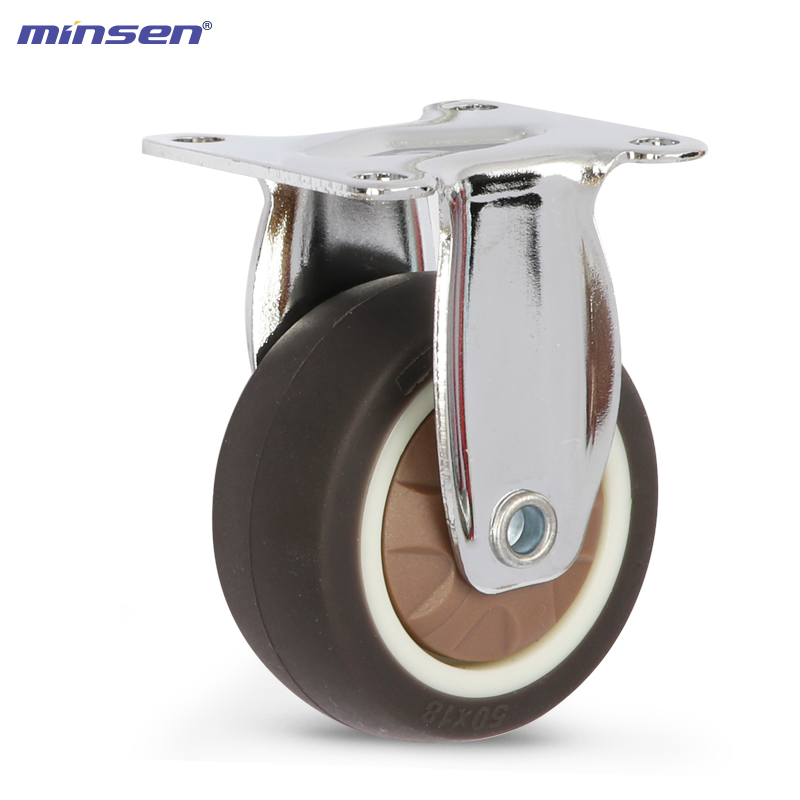
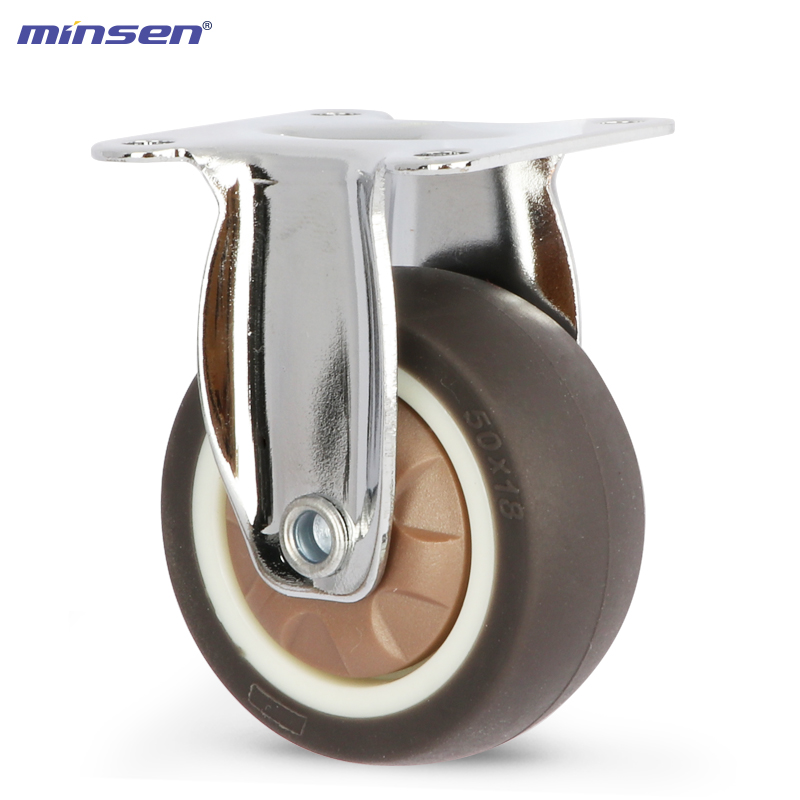
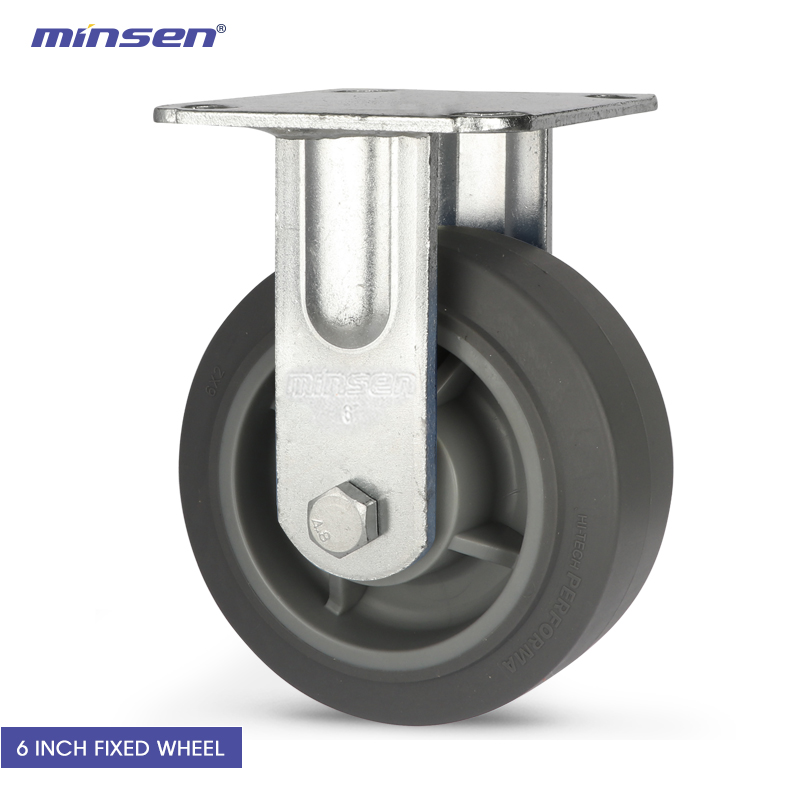
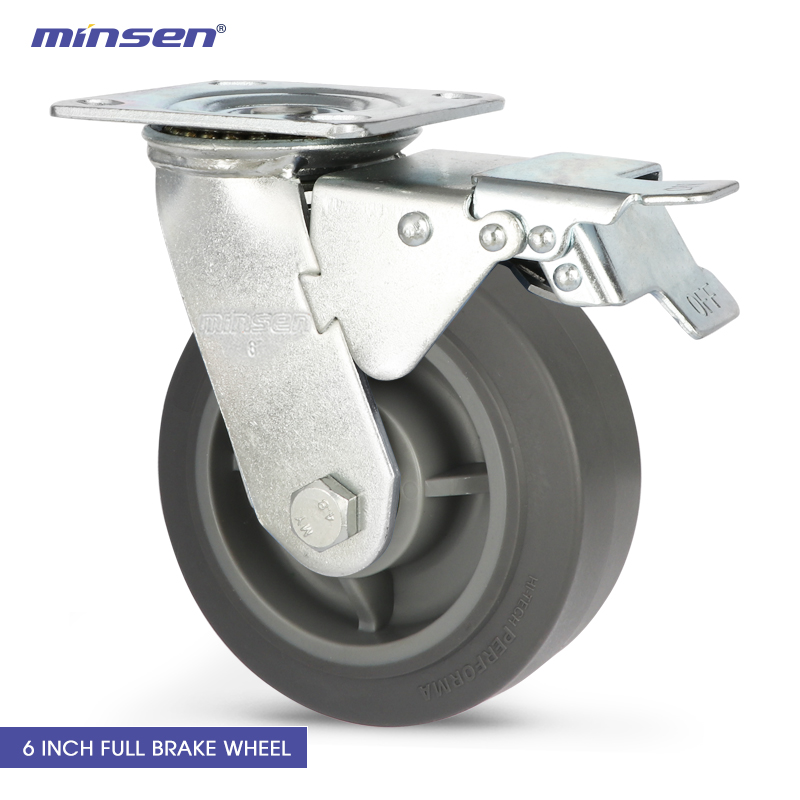
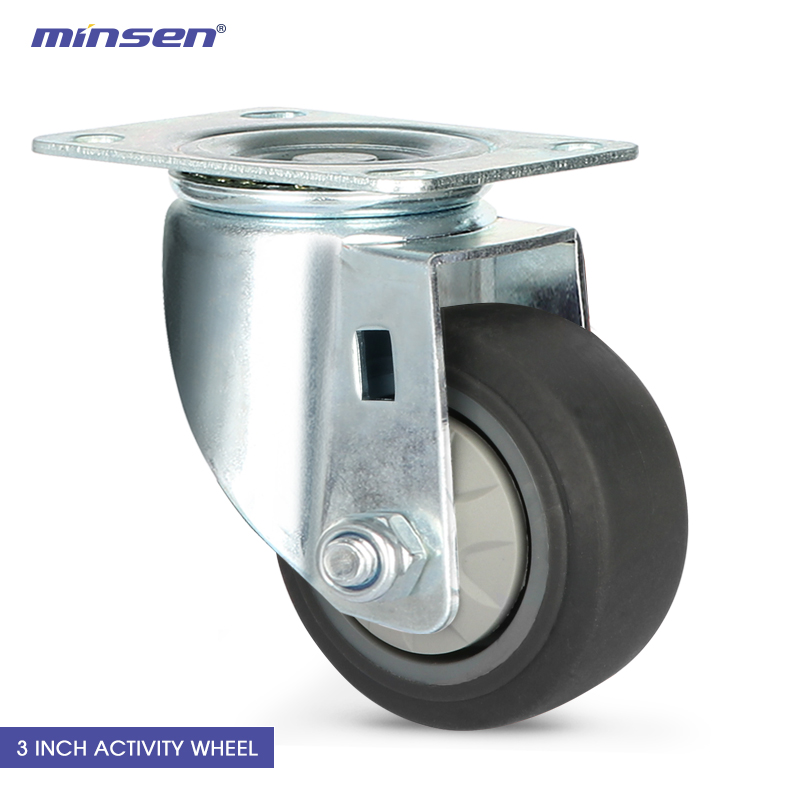
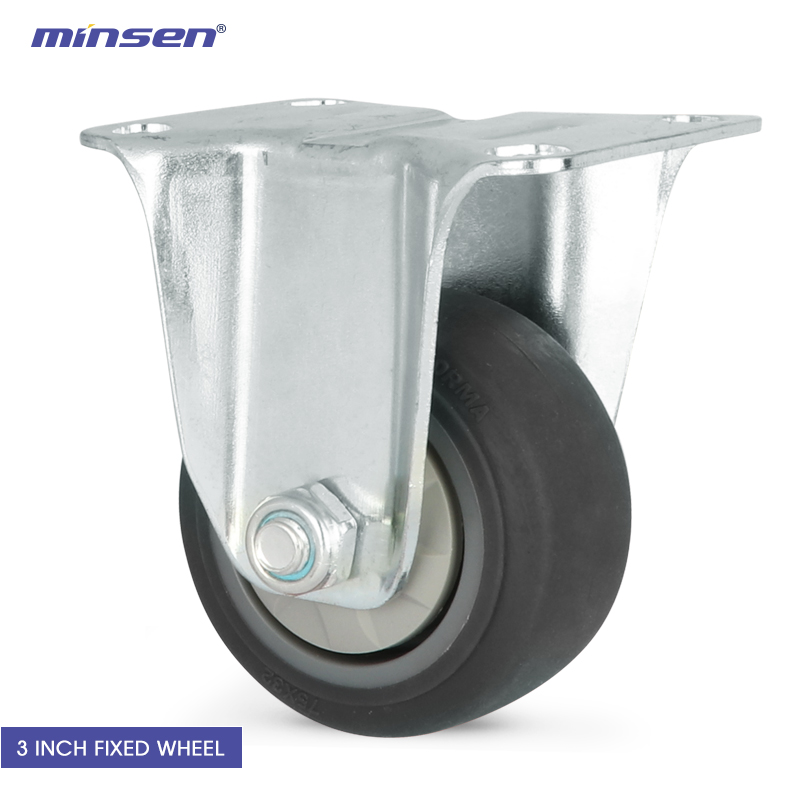
Manufacturing environments with smooth, sealed concrete floors benefit greatly from softer wheel materials. In these settings, tpr wheels provide excellent shock absorption and operate quietly. Thermoplastic rubber protects delicate flooring while maintaining a firm grip, preventing carts from sliding out of control during sharp turns. Choose harder materials like nylon or cast iron if your facility features rough asphalt or if carts must push through heavy metallic debris.
How do environmental factors influence your mobility equipment choices?
Facilities present unique environmental challenges that rapidly degrade standard hardware. Extreme temperatures, constant moisture, and chemical spills require specialized materials that resist corrosion and structural breakdown. Standard rubber wheels will quickly melt or deform in a high-heat industrial bakery, while unprotected steel components will rapidly rust in a meat processing plant.
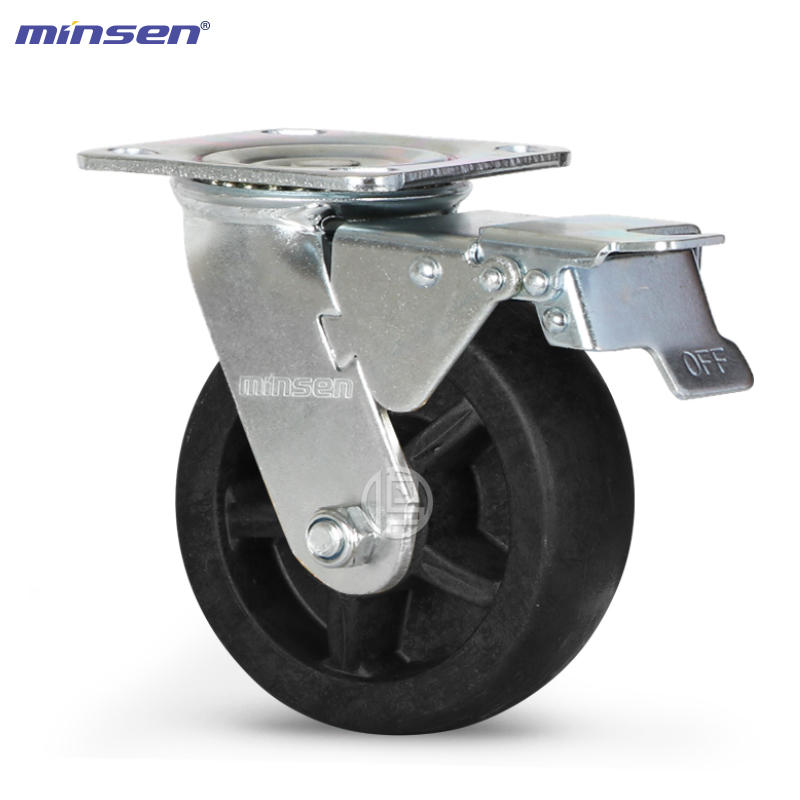
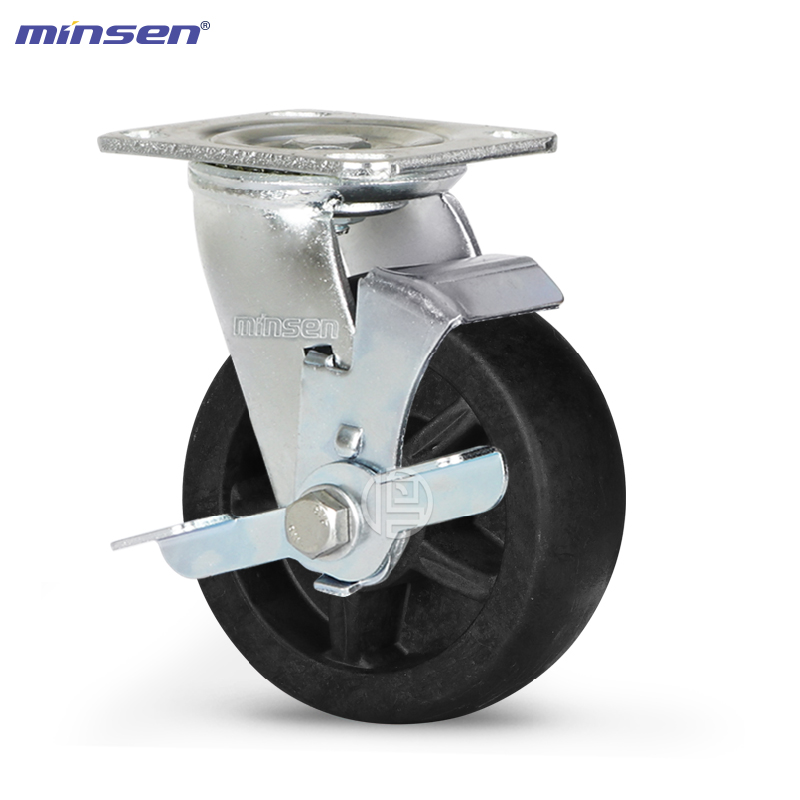
Kaiping Mingtai Caster Manufacturing Co., Ltd. produces specialized solutions designed specifically for these harsh environments. For instance, high-temperature resistant wheels can comfortably withstand environments ranging from 230℃ to 310℃. If your carts frequently encounter harsh cleaning chemicals or salt water, stainless steel rigs provide essential corrosion resistance. Always match the chemical composition of your environment to the tolerance levels of your selected hardware.
What are the best practices for maintaining facility mobility equipment?
Even the most robust hardware requires a structured maintenance schedule to perform reliably. Dust, shrink wrap, and loose threads constantly accumulate around the axles, causing the bearings to seize up. When bearings fail, the wheel drags across the floor rather than rolling smoothly, resulting in flat spots and severe operator strain.
Routine inspections should occur monthly. Maintenance personnel must clear away visible debris from the axles and check for structural damage to the mounting plates. Applying high-quality industrial lubricants to the swivel raceways and wheel bearings keeps industrial caster wheels turning with minimal resistance. Documenting these inspections helps facility managers identify which carts experience the most wear and require more frequent servicing.
How do standard options compare to specialized mobility solutions?
Understanding the precise differences between basic mobility hardware and specialized equipment helps organizations allocate their budgets effectively. The table below outlines how these two categories compare across essential operational metrics.
Feature Category | Standard Mobility Hardware | Specialized Mobility Solutions |
Load Capacity | Supports up to 500 pounds per unit safely. | Supports heavy payloads exceeding 1,000 pounds per unit. |
Temperature Tolerance | Operates efficiently at standard room temperatures. | Withstands extreme heat (up to 310℃) or freezing conditions. |
Floor Protection | Causes minor wear on sealed concrete over time. | Utilizes advanced materials to prevent floor marking and gouging. |
Corrosion Resistance | Prone to rusting when exposed to constant moisture. | Features stainless steel components immune to water and chemical damage. |
Bearing Design | Employs basic roller bearings suited for slow speeds. | Utilizes precision ball bearings for continuous, high-speed movement. |
Taking the next steps toward a safer workspace
Upgrading your facility's mobility equipment is a direct investment in the safety and productivity of your workforce. Establishing clear decision criteria for load capacities, environmental tolerances, and floor surface compatibility eliminates the guesswork from purchasing new hardware.
Kaiping Mingtai Caster Manufacturing Co., Ltd. has operated an 8,000-square-meter facility since 2010, delivering precision-engineered solutions tailored to industrial demands. Partnering with a reliable manufacturer ensures your facility receives hardware that passes rigorous testing for wear resistance and load-bearing stability. Evaluate your current carts today, calculate your true load requirements, and replace underperforming hardware before it causes a costly workplace disruption.
Frequently Asked Questions
What is the formula for calculating safe load distribution?
To find the safe load rating required for your equipment, add the cart's empty weight to its maximum expected payload. Divide that total number by the number of wheels minus one. This calculation accounts for uneven floor surfaces where one wheel might temporarily leave the ground.
How often should a facility replace its mobility equipment?
Replacement schedules depend heavily on environmental conditions and usage frequency. You should replace the hardware immediately if you notice flat spots on the tread, severe rust on the swivel rig, or if the cart becomes significantly harder to push. Conduct visual inspections monthly to identify these warning signs early.
Who should choose specialized high-temperature mobility solutions?
Industrial bakeries, automotive paint curing facilities, and medical sterilization units must use high-temperature hardware. Standard wheels will melt, emit toxic fumes, or seize up when exposed to continuous heat exceeding 100℃. Choose high-temperature wheels if your carts routinely enter ovens or autoclaves.
Why do carts become difficult to steer over time?
Poor steering typically results from lack of lubrication in the swivel raceway or debris wrapped tightly around the wheel axle. When the bearings cannot move freely, the entire unit locks in place. Regular cleaning and scheduled lubrication resolve the majority of steering issues in industrial environments.