TL;DR:
Heavy duty industrial casters are load-bearing wheel assemblies engineered for demanding environments such as warehouses, manufacturing plants, and logistics facilities. Choosing the right caster requires matching load capacity, wheel material, and mounting type to your specific application. The wrong choice leads to premature failure, damaged floors, and safety risks.
Selecting the right mobility hardware is one of those decisions that looks simple on the surface—until something goes wrong. A snapped axle, a seized bearing, or a cracked wheel mid-shift can halt an entire production line. That's why facilities managers, procurement specialists, and operations teams put considerable thought into which casters they specify for industrial equipment.
This guide covers everything you need to know: what distinguishes heavy duty casters from lighter alternatives, which materials suit which environments, how to calculate load capacity correctly, and what questions to ask before placing an order.
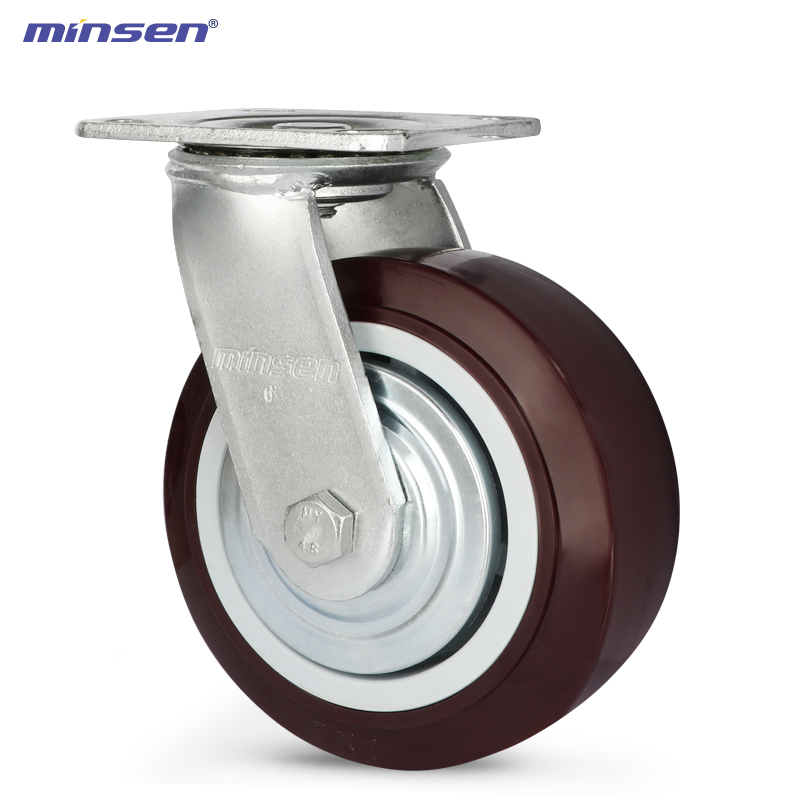
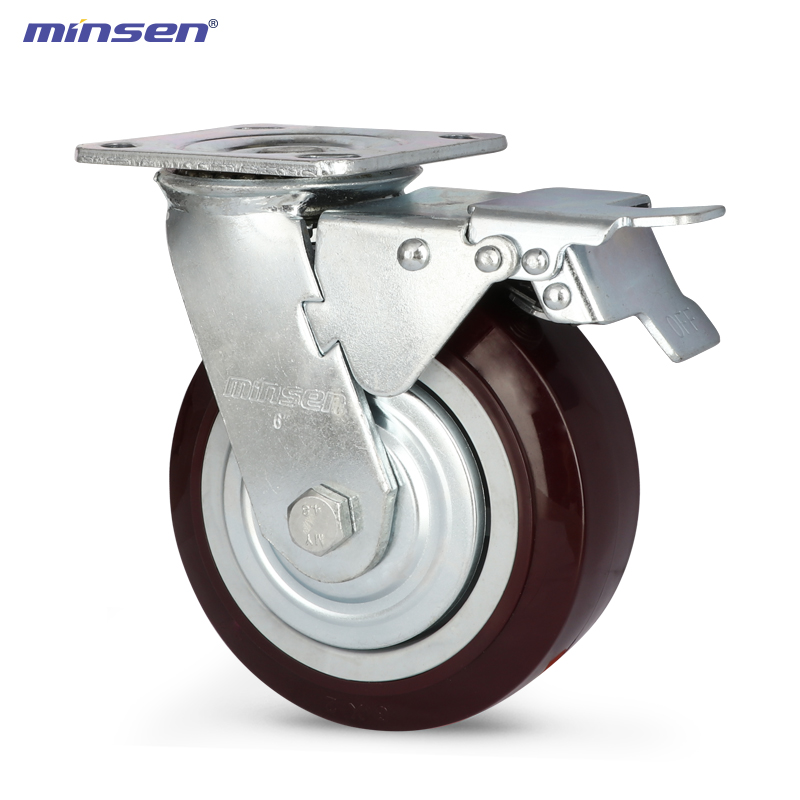
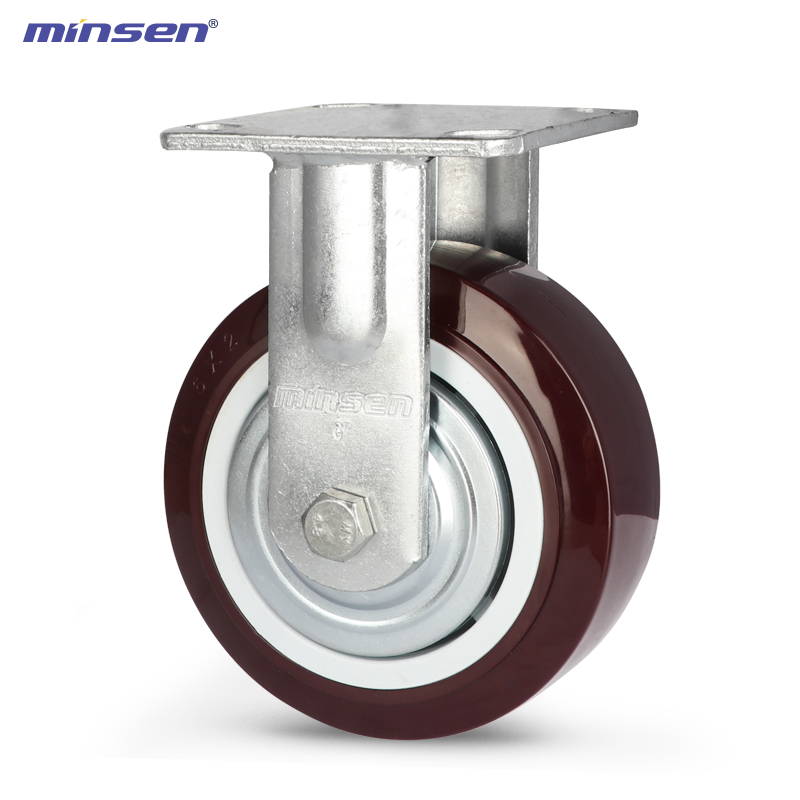
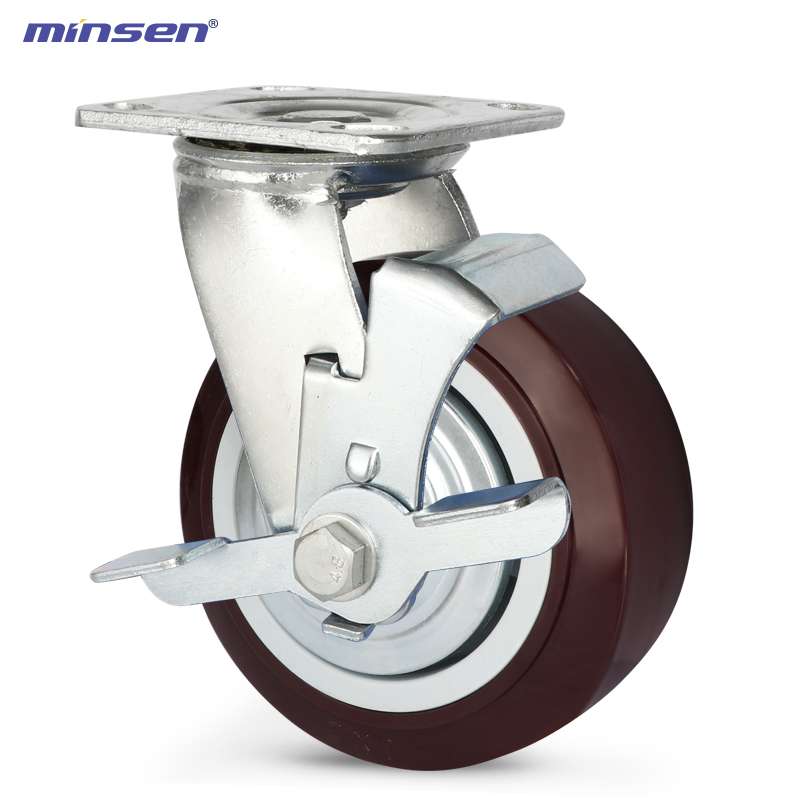
What Makes Heavy Duty Casters Different from Standard Casters?
Standard casters are designed for light loads—office chairs, retail displays, and light storage racks. Heavy duty industrial casters occupy an entirely different category. Built with reinforced frames, precision bearings, and high-density wheel materials, they handle loads ranging from 500 kg to several tons per wheel assembly.
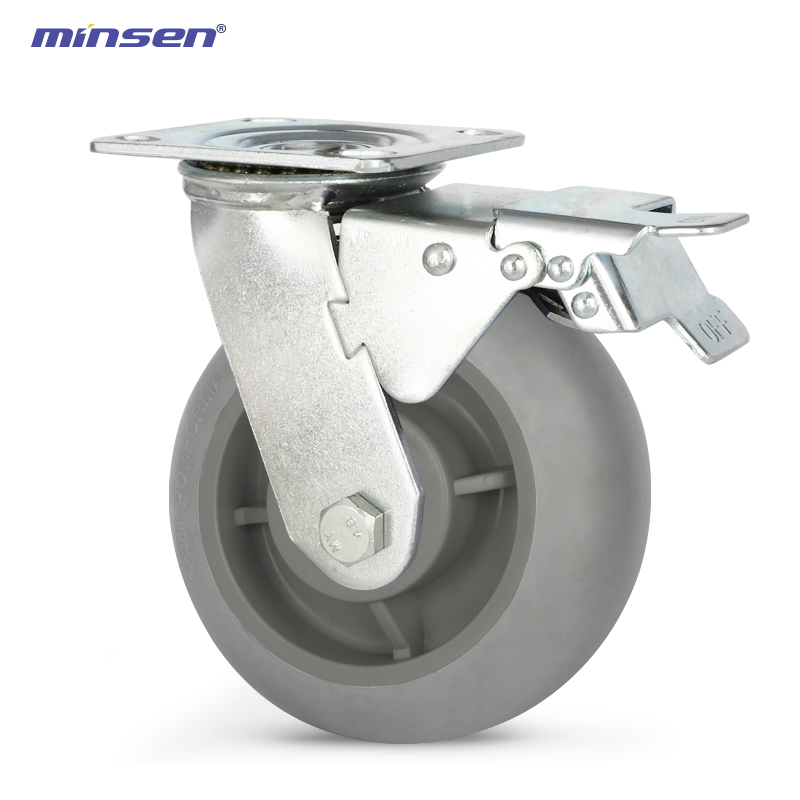
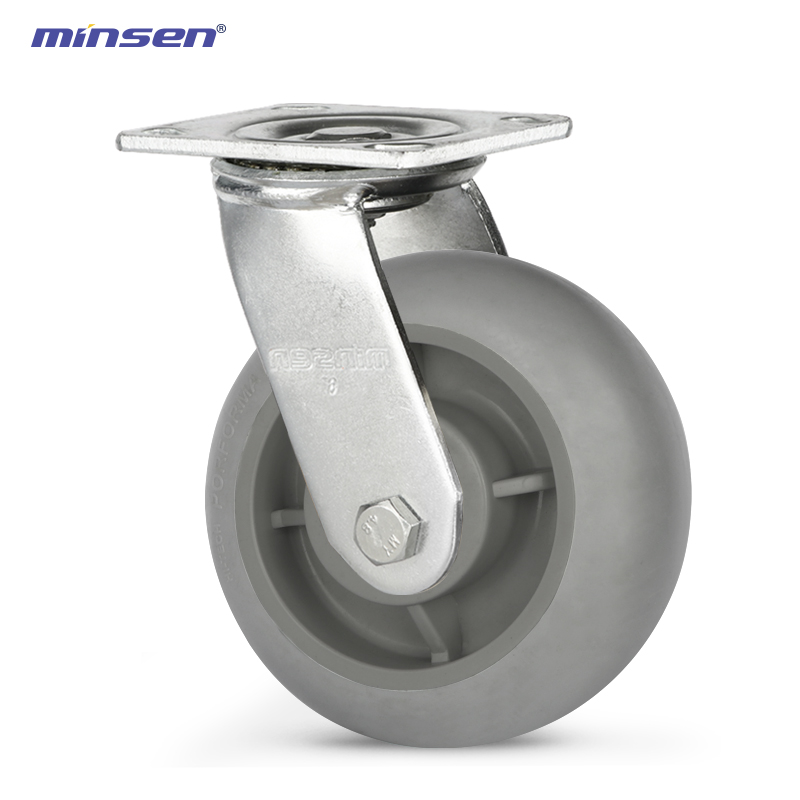
The structural differences are significant. Heavy duty caster frames typically use forged or pressed steel rather than stamped sheet metal. Bearings are sealed against dust and moisture. Swivel raceways are larger in diameter, which distributes load more evenly and extends service life under continuous use.
The result is a component that doesn't just support weight—it maintains maneuverability, reduces operator strain, and protects floor surfaces across thousands of operating hours.
What Are the Most Common Materials Used in Industrial Caster Wheels?
Wheel material is the single biggest factor affecting performance in any given environment. Each material has a distinct trade-off between hardness, floor protection, noise, and chemical resistance.
Wheel Material | Typical Load Capacity | Floor Protection | Noise Level | Best Environment |
Polyurethane (PU) | High | Excellent | Low | Warehouses, cleanrooms |
Cast Iron | Very High | Poor | High | Foundries, steel mills |
Nylon | High | Good | Medium | Dry manufacturing |
Rubber (TPR) | Medium | Excellent | Very Low | Hospitals, food processing |
Steel | Very High | Poor | High | High-temp ovens, kilns |
Phenolic Resin | High | Moderate | Medium | Chemical plants |
Polyurethane remains the most widely specified material in general industrial settings because it balances load capacity with floor protection. Cast iron and steel wheels are reserved for environments where temperature extremes rule out softer compounds. Rubber variants, including thermoplastic rubber (TPR), excel where noise control or hygiene standards are the priority.
What Factors Should You Consider When Selecting Industrial Caster Wheels?
The selection process involves more than picking a load rating from a catalog. Facilities that skip a proper specification process tend to underspec their casters—leading to premature failure—or overspec them, wasting budget unnecessarily.
Key factors to evaluate include:
Floor surface. Smooth epoxy floors suit hard wheel materials. Uneven concrete, expansion joints, or grating demands a softer or shock-absorbing compound to prevent vibration damage to equipment and goods.
Operating environment. Temperature, moisture, chemicals, and electrostatic discharge (ESD) requirements all influence material selection. A standard PU wheel will degrade quickly in an oven environment. Stainless steel casters are mandatory in wet food-processing facilities where corrosion is a constant risk.
Swivel vs. rigid configuration. Rigid casters provide straight-line stability and higher load ratings. Swivel casters offer maneuverability. Most carts use a combination—two rigid at the rear, two swivel at the front.
Mounting type. Plate-mount casters bolt directly to the equipment frame. Stem-mount variants fit into pre-drilled holes. Choosing the wrong mount for the frame thickness is a common error that leads to structural failure under load.
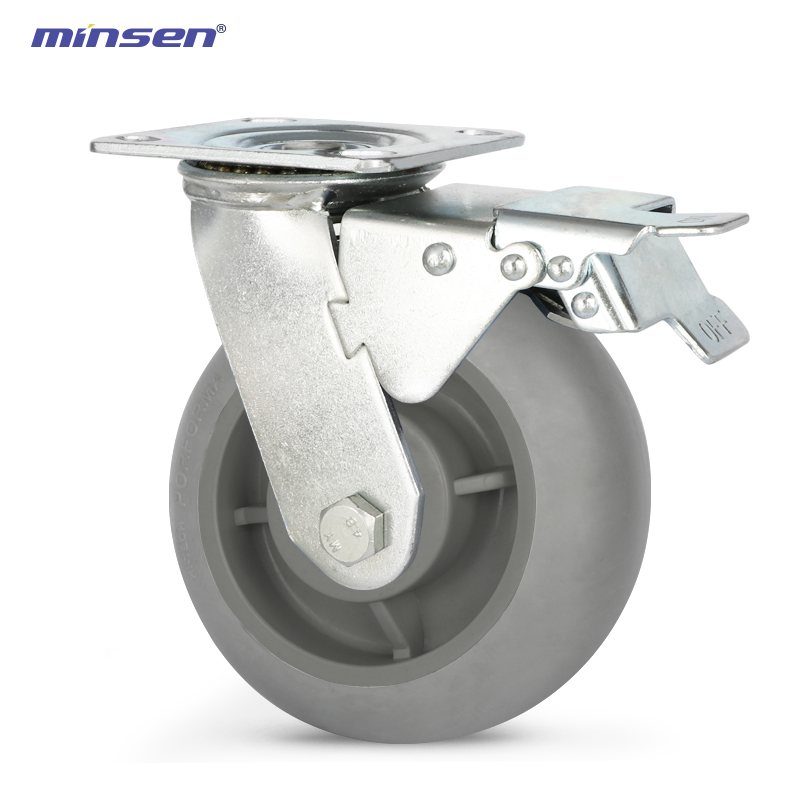
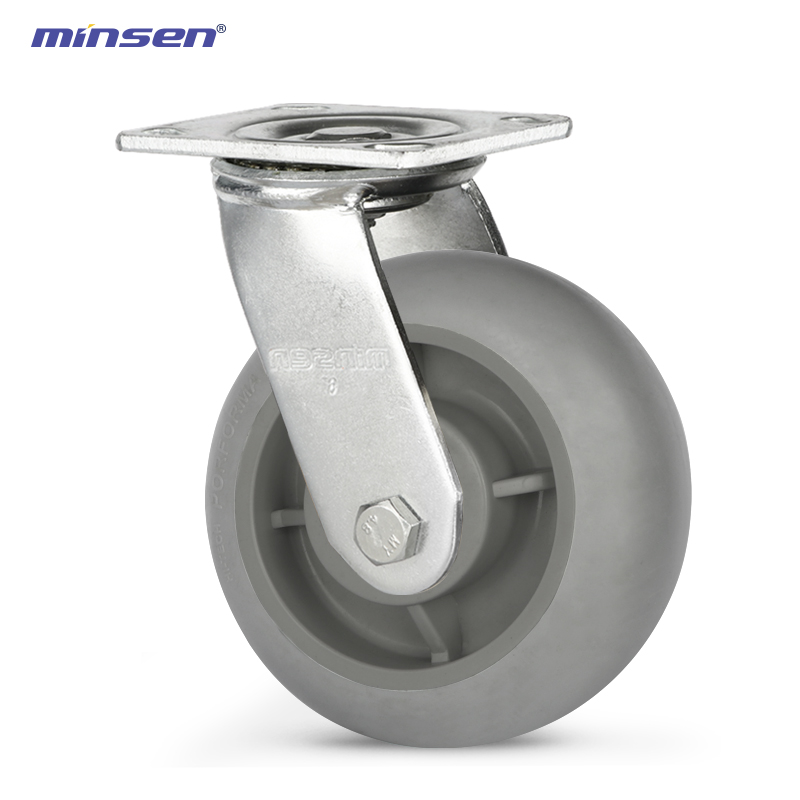
Specifying the right industrial caster wheels for your application from the outset is far more cost-effective than replacing failed components after a breakdown.
How Do You Calculate the Right Load Capacity for Your Casters?
This is where many buyers make a costly mistake. The total load capacity of a cart is not simply the number of wheels multiplied by the rated capacity of each wheel. In practice, caster load is calculated conservatively to account for uneven weight distribution and dynamic loads during movement.
The standard formula used by facilities engineers is:
Required load capacity per caster = Total load ÷ (Number of wheels − 1)
Subtracting one wheel from the denominator accounts for the reality that a four-wheeled cart moving across an uneven floor will, at some point, rest on only three wheels. This approach builds in a safety margin without requiring a more complex structural analysis.
For example, a cart carrying 2,000 kg on four casters should use wheels rated for at least 667 kg each (2,000 ÷ 3), not 500 kg each (2,000 ÷ 4).
Additionally, add a dynamic load factor of 20–30% when carts will be moved at speed, pushed over ramps, or subject to impact loading during loading and unloading. Choosing heavy duty caster wheels with adequate rated capacity prevents premature bearing failure and axle bending—two of the most common causes of caster failure in industrial settings.
How to Extend the Service Life of Industrial Casters
Even the best-specified caster will wear out prematurely without basic maintenance. A few straightforward practices significantly extend service intervals:
Inspect regularly. Check swivel raceways, bearings, and axle bolts for wear, corrosion, or loosening. Establish an inspection schedule based on usage intensity.
Keep bearings lubricated. Non-sealed bearings need periodic grease application. Sealed precision bearings are maintenance-free but should be replaced rather than repacked at end of life.
Remove debris. Thread, wire, and strapping wrapped around axles are the leading cause of swivel failure. Clear foreign material from wheel hubs during each inspection.
Replace in pairs or sets. Replacing a single failed caster on a cart that has been in service for years introduces a capacity and wear mismatch. Replace the full set to maintain consistent performance.
Make the Right Choice Before Your Next Purchase
Caster specification is not a decision to make by guessing from a product photo. Match load requirements, floor conditions, environmental factors, and mounting specifications to a verified product, and you'll avoid the cost of early replacement and the risk of workplace injury.
MINSEN has been manufacturing mobility solutions since 2010 from its 8,000 m² facility in Kaiping, China. The product range covers everything from light-duty swivel casters to extra heavy duty and high-temperature resistant series, with OEM customization available for non-standard applications. Contact the MINSEN team to discuss your specific requirements.
Frequently Asked Questions
What is the difference between heavy duty and extra heavy duty casters?
Heavy duty casters typically handle loads between 500 kg and 2,000 kg per wheel. Extra heavy duty variants are engineered for loads exceeding 2,000 kg per wheel and use larger-diameter swivel raceways, thicker axles, and more robust frame construction to handle that additional stress.
Which caster wheel material is best for warehouse use?
Polyurethane is the most recommended material for general warehouse environments. It provides high load capacity, protects epoxy and concrete floors from marking, and operates quietly—making it suitable for distribution centers where noise and floor damage are both concerns.
How many casters does a cart need?
Most industrial carts use four casters. Large or long carts sometimes use six to distribute load more evenly. The key is not the total number but whether each caster is individually rated to handle its share of the load using the conservative calculation (total load ÷ number of wheels minus one).
Can casters be used in high-temperature environments like ovens or kilns?
Yes, but standard rubber and polyurethane wheels will fail at elevated temperatures. High-temperature resistant casters use phenolic resin, cast iron, or steel wheels that can withstand continuous exposure above 200°C. Always specify the maximum operating temperature when sourcing casters for thermal processing applications.
What is the lead time for custom caster orders?
Lead times vary by manufacturer and order complexity. Standard products typically ship within a few weeks. Custom OEM orders requiring tooling changes or non-standard specifications generally take longer. Confirm lead time requirements with your supplier before finalizing a purchase order.