Every wheeled cart, workstation, or piece of industrial equipment relies on one small component to keep it moving safely: the wheel beneath it. Yet many facility managers and procurement teams underestimate how much a mismatched wheel can cost them in downtime, floor damage, or workplace injuries. Choosing the right casters isn't just a maintenance decision—it's an operational one that affects productivity, safety, and long-term equipment costs.
This guide breaks down the key factors to consider when selecting casters for your equipment, from load capacity to floor compatibility, so you can make a decision that holds up under real working conditions.
Start With Load Capacity, Not Wheel Size
The single biggest mistake buyers make is choosing a wheel based on appearance or price alone, without calculating the actual weight it needs to support. Every wheel has a rated capacity, and exceeding it—even occasionally—accelerates wear and increases the risk of sudden failure.
To calculate the right capacity, add the weight of the equipment itself to its maximum expected load, then divide by the number of wheels in contact with the ground at any given time. Always build in a safety margin of at least 20-25%, since uneven floors or sudden impacts can place more stress on individual wheels than a static calculation suggests.
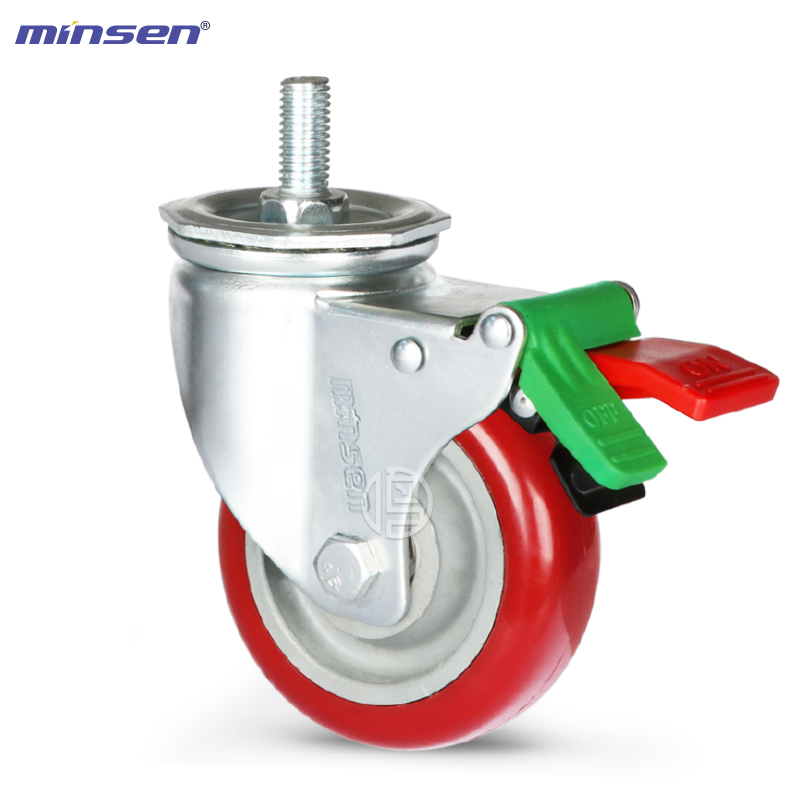
For lighter applications like retail carts or office furniture, standard-duty casters are usually sufficient. But for manufacturing equipment, pallet trucks, or anything carrying several hundred kilograms, upgrading to a heavier-rated wheel isn't optional—it's the difference between smooth operation and premature equipment failure.
Static Load vs. Dynamic Load
It's worth understanding the difference between static load (weight supported while stationary) and dynamic load (weight supported while moving). Dynamic loads generate more stress due to impact, vibration, and rolling resistance, which is why many manufacturers rate their wheels separately for each condition.
Match Wheel Material to Your Floor Surface
Wheel material determines how a caster interacts with your flooring, and getting this wrong can lead to noise, floor marking, or reduced maneuverability. Here's a quick breakdown of common materials and where they perform best:
Wheel Material | Best Floor Type | Key Advantage |
Polyurethane | Concrete, tile | High load capacity, low rolling resistance |
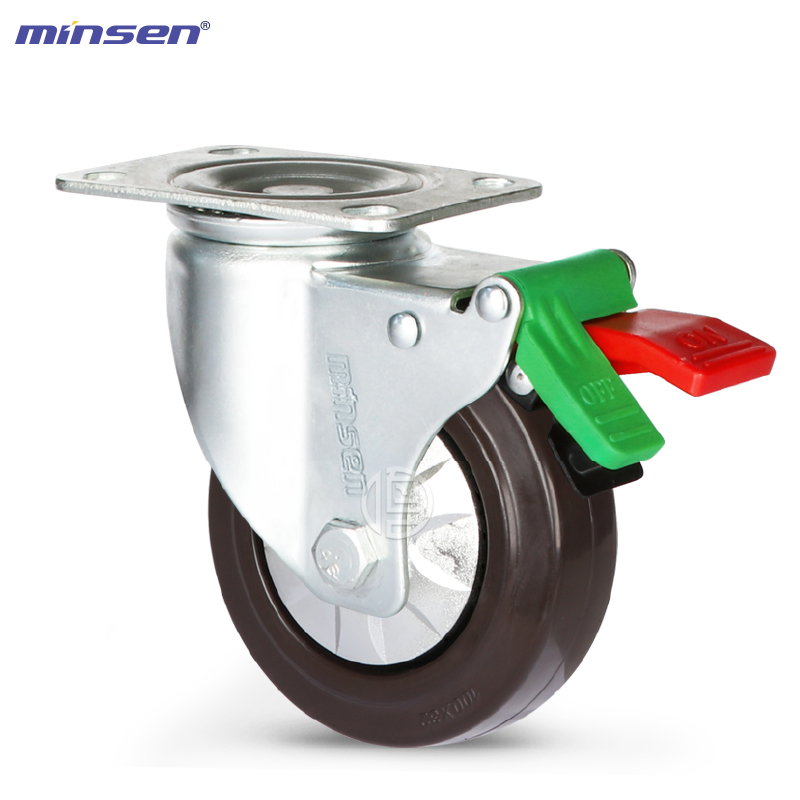
Rubber | Uneven or delicate floors | Quiet operation, shock absorption |
Nylon | Warehouse concrete | Extremely durable, chemical resistant |
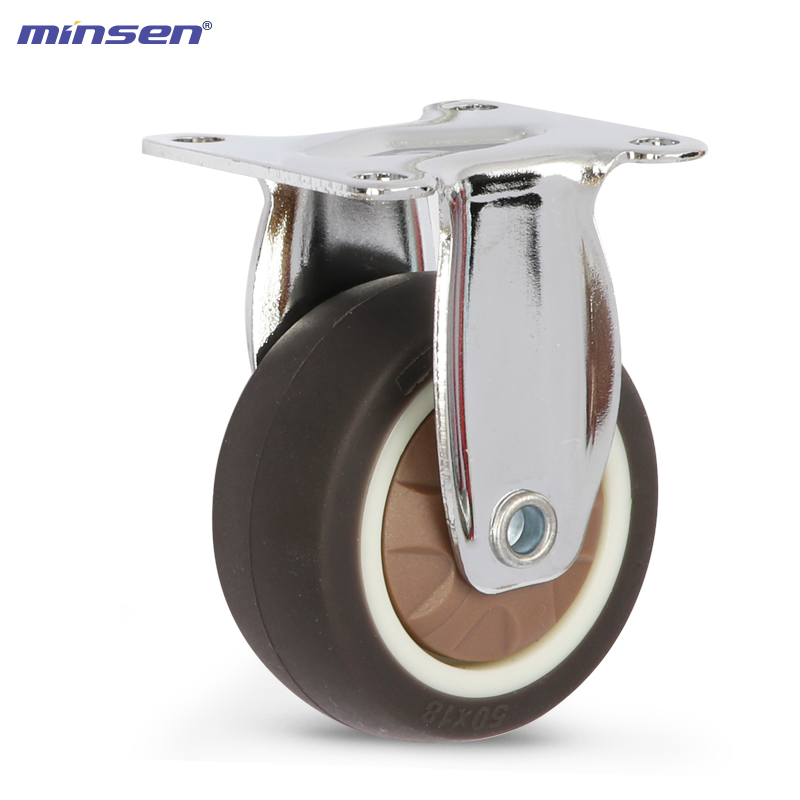
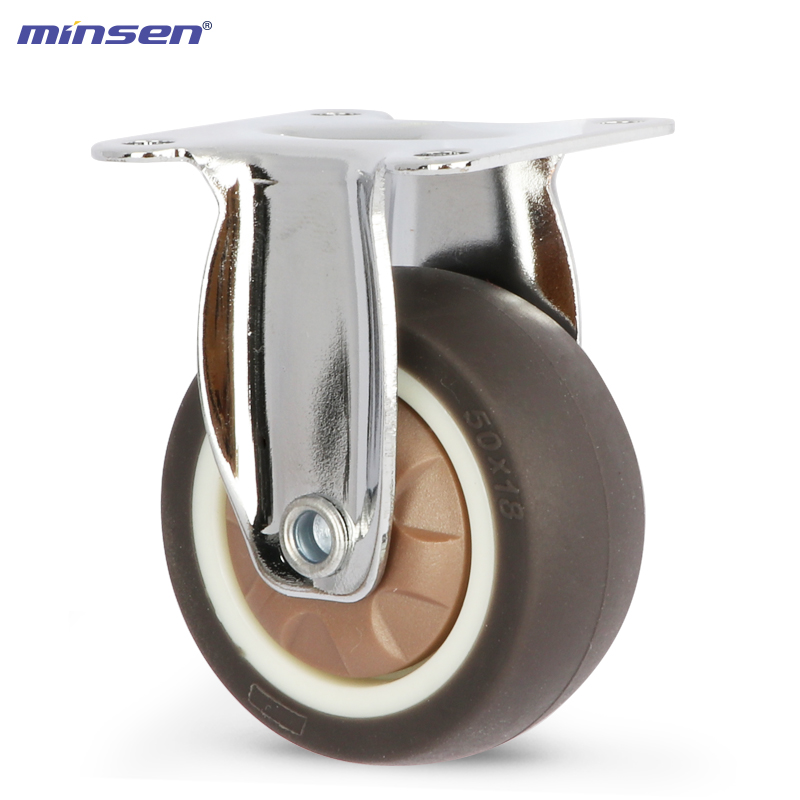
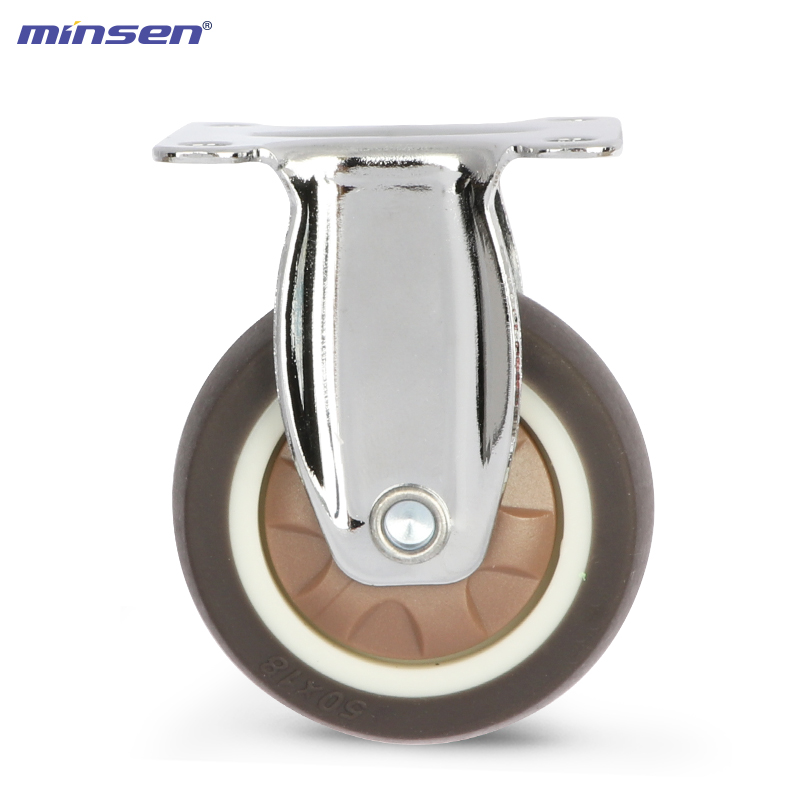
TPR (thermoplastic rubber) | Mixed indoor surfaces | Non-marking, smooth and quiet ride |
Stainless steel | Wet or corrosive environments | Rust resistance, hygienic applications |
Facilities with mixed flooring—think hospitals, hotels, or retail environments transitioning between tile and carpet—often benefit from TPR wheels, which combine the durability of harder materials with the quiet, non-marking performance needed in customer-facing spaces. If floor protection and noise reduction are priorities, this material category deserves serious consideration.
Consider the Environment, Not Just the Equipment
Beyond load and floor type, the operating environment plays a major role in caster selection. Ask yourself:
Temperature extremes: Standard wheels can degrade quickly in freezer or high-heat environments, requiring specialized compounds rated for those conditions.
Chemical exposure: Facilities handling oils, solvents, or cleaning agents need wheels resistant to chemical breakdown.
Moisture and hygiene: Food processing and medical settings often require stainless steel or antimicrobial components to meet sanitation standards.
Noise sensitivity: Hospitals, hotels, and offices benefit from softer tread materials that reduce rolling noise.
Ignoring environmental factors is one of the most common reasons casters fail well before their expected lifespan.
Don't Overlook Swivel and Locking Options
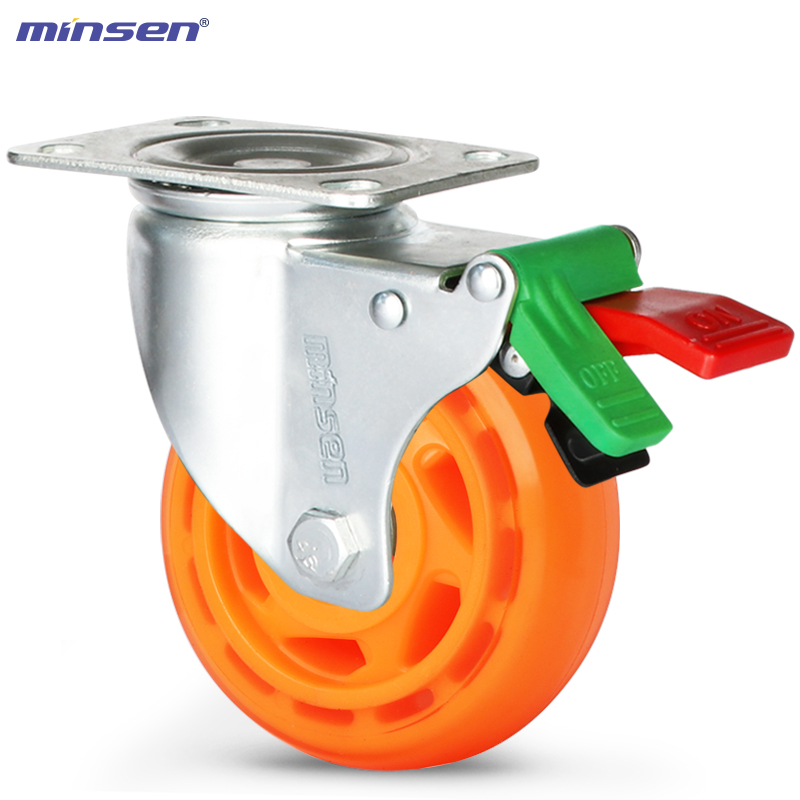
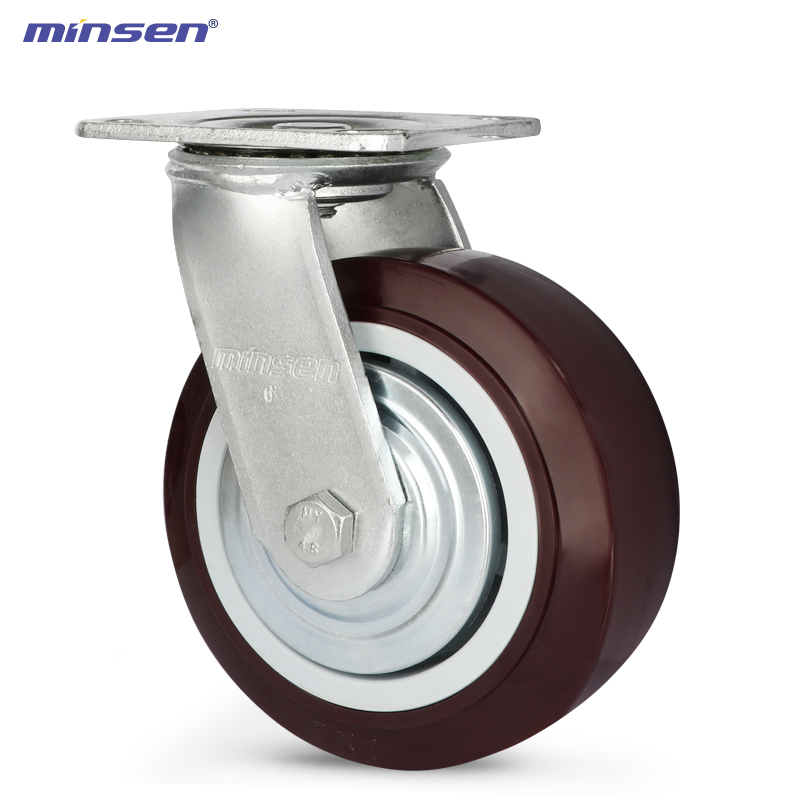
Load and material get most of the attention, but the swivel mechanism and braking system matter just as much for day-to-day usability. Swivel casters offer maneuverability in tight spaces, while rigid casters provide stability for straight-line movement over longer distances. Many equipment configurations use a combination of both—swivel wheels at the front for steering, rigid wheels at the back for tracking.
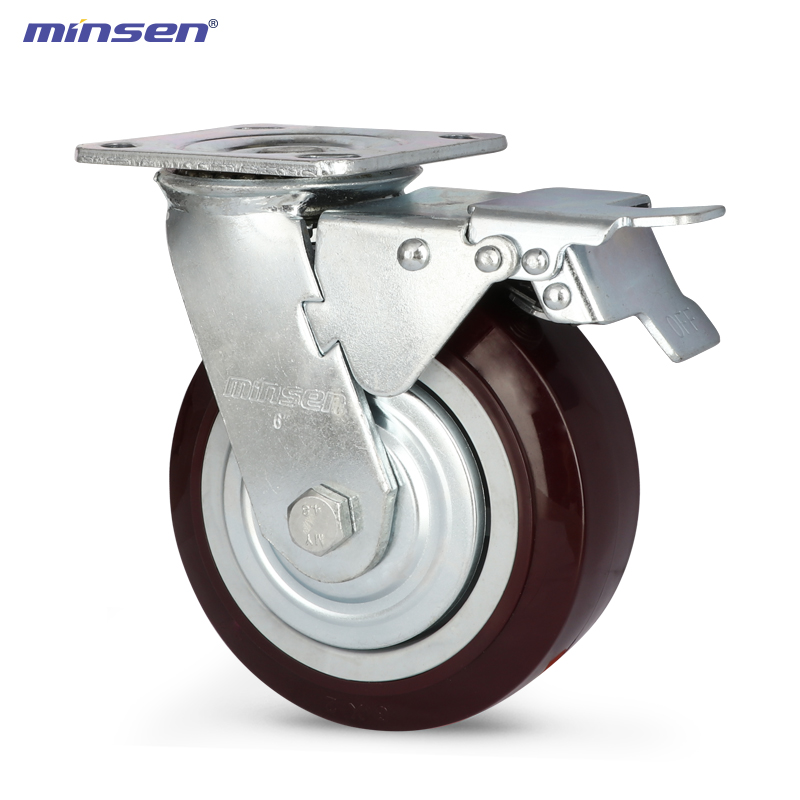
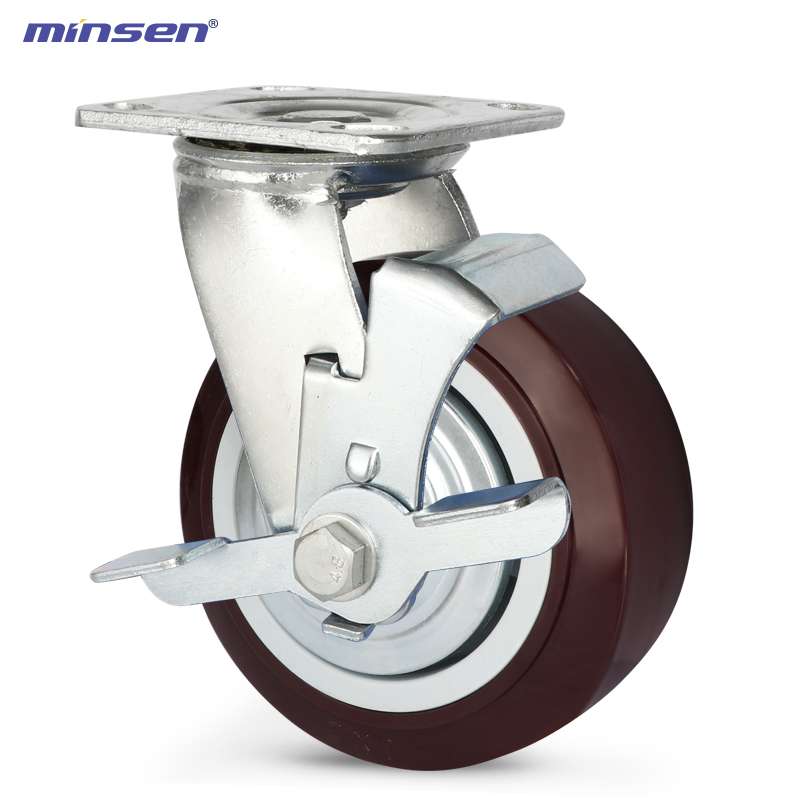
Locking mechanisms are equally important for safety, particularly for equipment used on ramps, in medical settings, or anywhere accidental movement poses a risk. Total-lock brakes, which stop both rotation and swivel simultaneously, offer the highest level of stability for stationary tasks.
When Heavy-Duty Casters Are the Right Call
Not every application needs a heavy-duty wheel, but underestimating your needs is far more costly than over-specifying slightly. Signs that you should upgrade include frequent wheel replacements, visible flattening or cracking, equipment that feels unstable under load, or a recent increase in the weight your equipment carries.
Heavy duty casters are engineered with reinforced cores, thicker treads, and stronger mounting brackets to handle repeated stress in demanding environments like manufacturing floors, logistics hubs, and industrial workstations. Investing in the correct rating upfront typically costs less over time than repeatedly replacing undersized wheels.
How MINSEN Approaches Caster Selection
At MINSEN, a caster and trolley manufacturer operating from an 8,000-square-meter facility in Kaiping, China, every wheel is developed with these real-world variables in mind. With in-house stamping, rubber processing, and injection molding capabilities, MINSEN maintains end-to-end control over production—from raw material sourcing to final quality testing.
This vertically integrated setup allows for consistent quality across standard product lines while also supporting custom specifications for buyers with unique load, environment, or mounting requirements. Rather than offering a one-size-fits-all catalog, MINSEN works directly with customers to identify the right combination of load rating, material, and mechanism for their specific application, without the markup typically added by third-party distributors.
Making a Confident Final Decision
Selecting the right caster comes down to matching four variables: load capacity, floor type, environmental conditions, and mobility requirements. Skipping any one of these factors increases the risk of premature failure, safety hazards, or unnecessary replacement costs.
Before finalizing a purchase, measure your equipment's full loaded weight, assess your flooring and environment honestly, and don't hesitate to request manufacturer specifications rather than relying on general product descriptions. A wheel that seems adequate on paper can perform very differently once it's supporting real weight in a real facility.
Taking the time to get this right—rather than defaulting to the cheapest or most familiar option—pays off in fewer replacements, safer operations, and equipment that performs reliably for years.