When equipment fails outdoors, it rarely fails quietly. A caster that cracks under load, seizes after rain, or corrodes after a season of use doesn't just slow down operations—it creates real safety risks and unexpected replacement costs. That's why choosing the right outdoor heavy duty casters from the start matters far more than most buyers realize.
This guide walks through the key selection criteria, common use cases, and what separates a caster that lasts from one that doesn't. Whether you're outfitting a construction site, a logistics yard, or an outdoor commercial space, the right caster keeps things moving safely and efficiently.
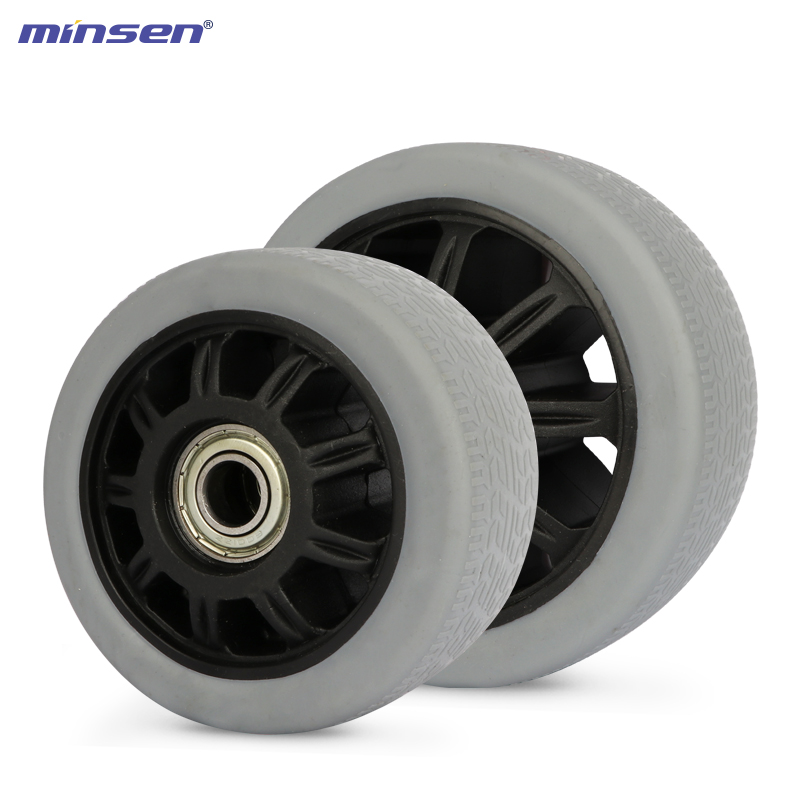
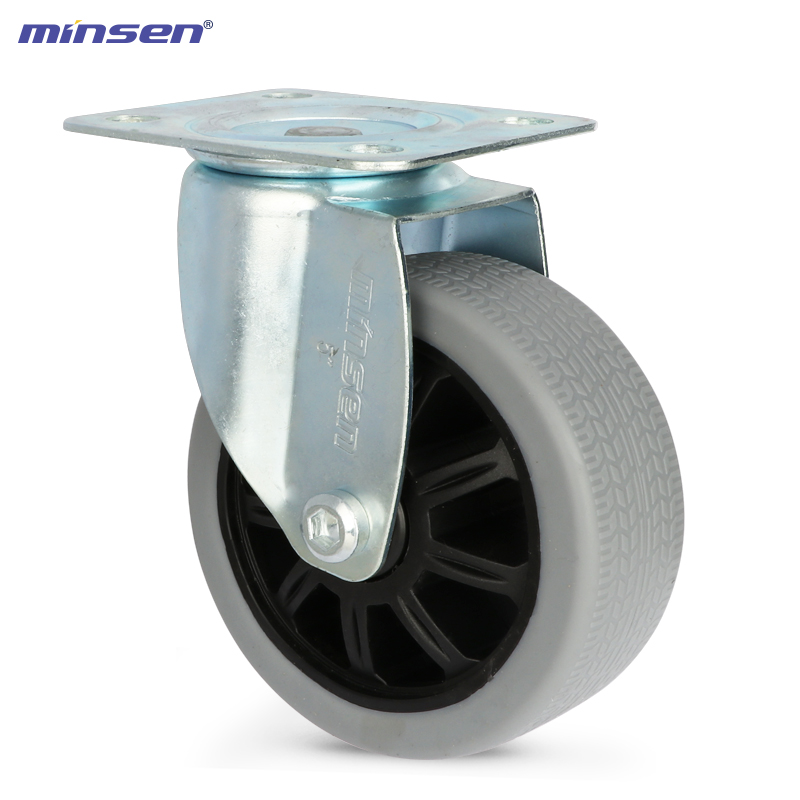
Why Outdoor Conditions Demand More from Casters
Indoor casters operate in relatively controlled environments. Outdoor applications are a different story. Surfaces shift. Temperatures swing. Moisture, UV exposure, debris, and uneven terrain all work against a caster's structural integrity over time.
Heavy loads compound every one of these challenges. A caster rated for a smooth warehouse floor may buckle on wet concrete or cracked pavement. Wheel materials that perform well indoors—like standard rubber or basic polyurethane—can degrade quickly when exposed to outdoor conditions.
Outdoor heavy duty casters are specifically engineered to handle this combination of load stress and environmental exposure. They typically feature reinforced brackets, corrosion-resistant materials, and wheel compounds that maintain performance across a wider temperature range and on rougher surfaces.
Key Factors to Consider When Selecting Outdoor Heavy Duty Casters
Choosing the right caster comes down to matching specifications to your actual operating conditions. Here's a breakdown of the most critical factors:
Factor | What to Look For | Why It Matters |
Load Capacity | Total load ÷ number of casters, with safety margin | Prevents bracket failure and wheel deformation |
Wheel Material | Polyurethane, nylon, or pneumatic for outdoors | Resists moisture, UV, and surface irregularities |
Bracket Material | Zinc-plated or stainless steel | Prevents rust and corrosion in wet environments |
Wheel Diameter | Larger diameter for rough terrain | Easier rolling over obstacles and uneven surfaces |
Swivel vs. Rigid | Swivel for maneuverability, rigid for straight-line stability | Affects control and directional accuracy |
Lock Mechanism | Foot brake or total lock | Keeps equipment stationary on slopes or uneven ground |
Don't base your selection on load capacity alone. A caster that can technically bear the weight may still fail prematurely if the wheel material isn't suited for outdoor surfaces or if the bracket corrodes within a few months of use.
Common Applications for Heavy Duty Outdoor Casters
Outdoor heavy duty casters appear across a wide range of industries and settings. Some of the most common include:
Construction and job sites: Mobile equipment, tool carts, and material transport platforms that need to roll across uneven or debris-strewn ground.
Logistics and freight yards: Heavy carts and roll containers used in outdoor staging areas exposed to weather.
Hospitality and event management: Outdoor furniture, staging platforms, and equipment carts moved across patios, grass, or gravel.
Agricultural and industrial facilities: Equipment that operates across wide outdoor areas with varying surface conditions.
In each of these settings, downtime caused by a failed caster translates directly into lost productivity. Specifying the right product from the outset eliminates that risk.
When Standard Options Don't Fit: The Case for Custom Casters
Not every application fits a standard catalog product. Equipment with unusual mounting configurations, non-standard load distributions, or specific material requirements often calls for custom heavy duty casters built to the exact specifications of the application.
Custom casters allow buyers to specify wheel diameter, tread material, bracket type, bolt pattern, and finish—ensuring a precise fit rather than a compromise. For high-volume procurement or long-term operational deployments, this level of precision pays for itself quickly in reduced maintenance and longer service life.
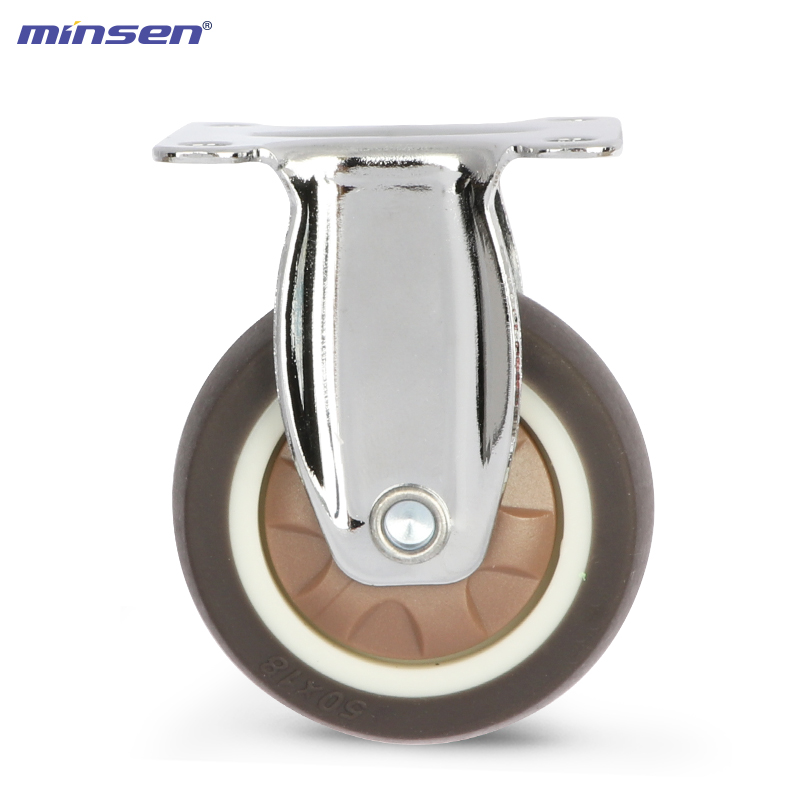
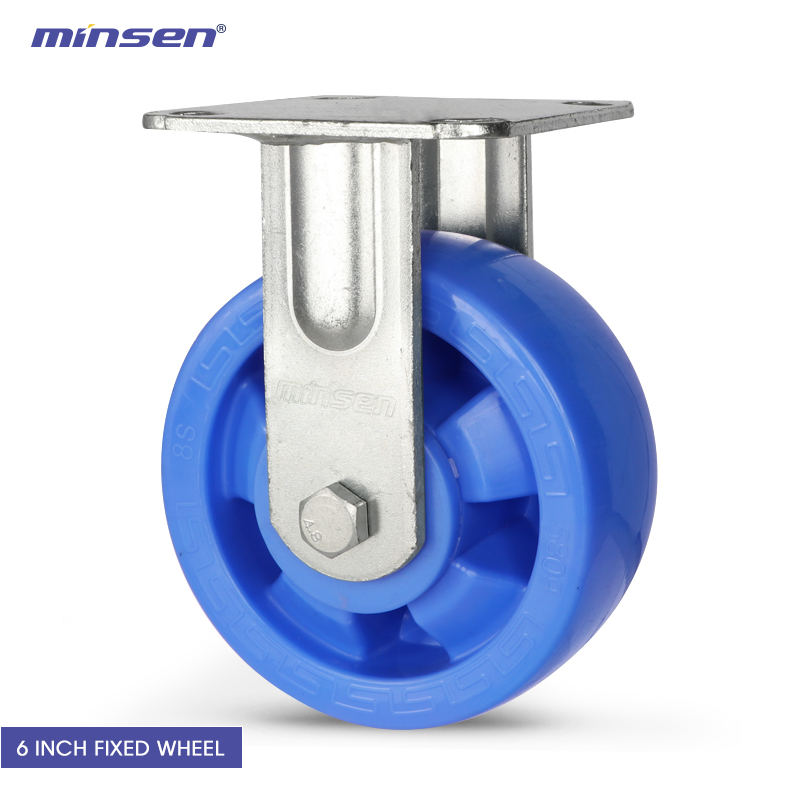
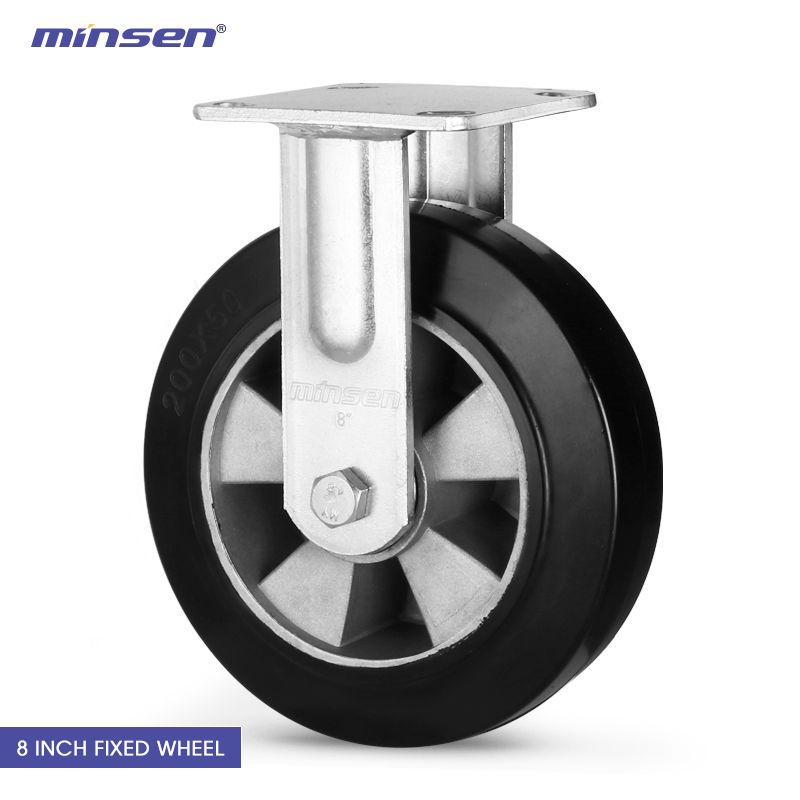
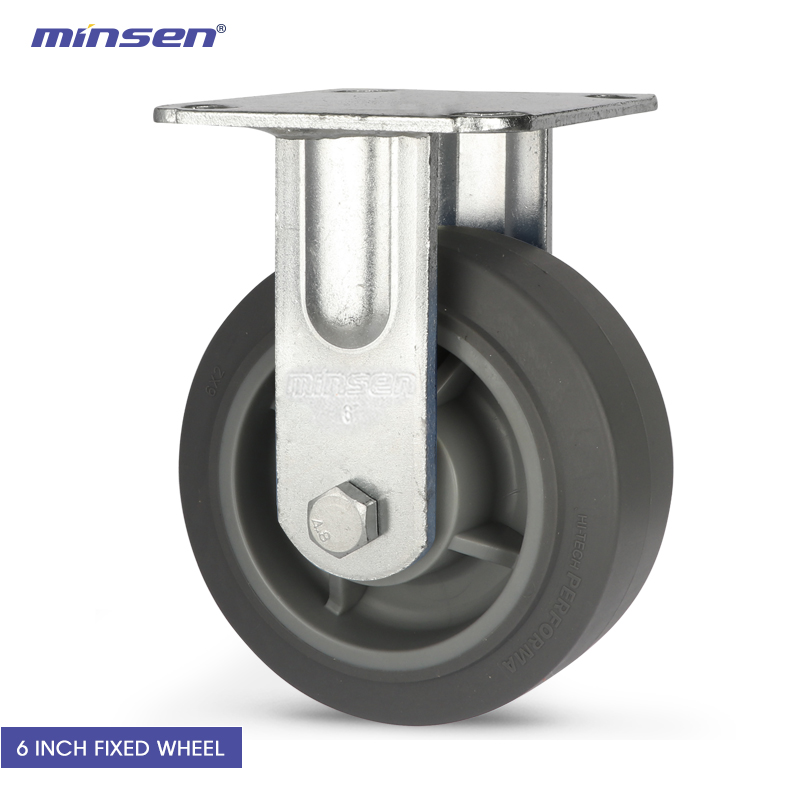
MINSEN Casters, established in 2010 and operating from an 8,000-square-meter manufacturing facility in Kaiping, China, offers full OEM and custom caster services. The company's production process covers everything from initial requirements communication and material selection through sample production and final delivery, with after-sales support at each stage. That end-to-end control means buyers aren't just purchasing a product—they're working with a manufacturer that understands the full application context.
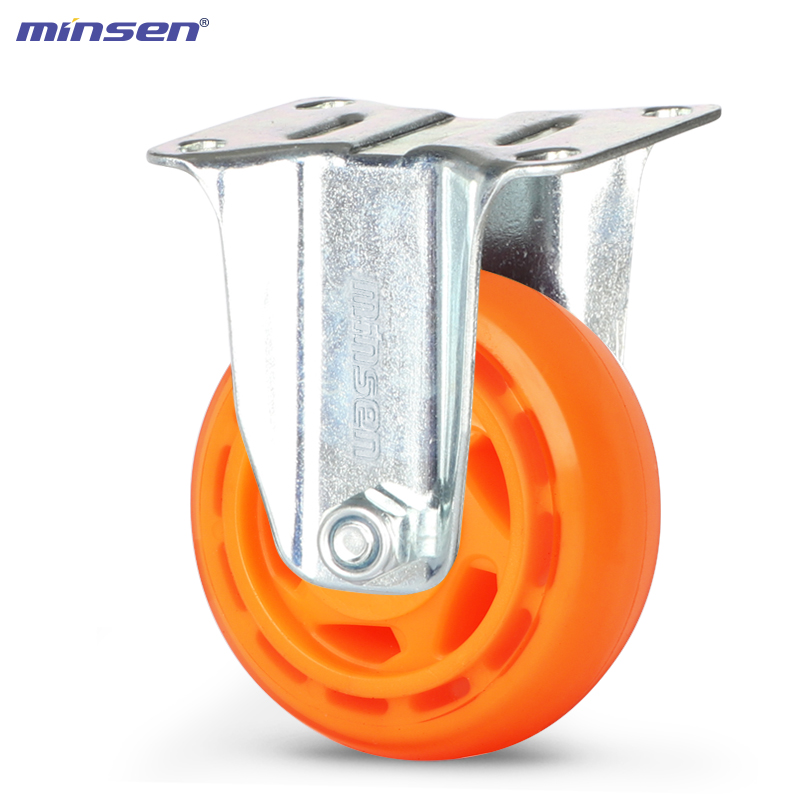
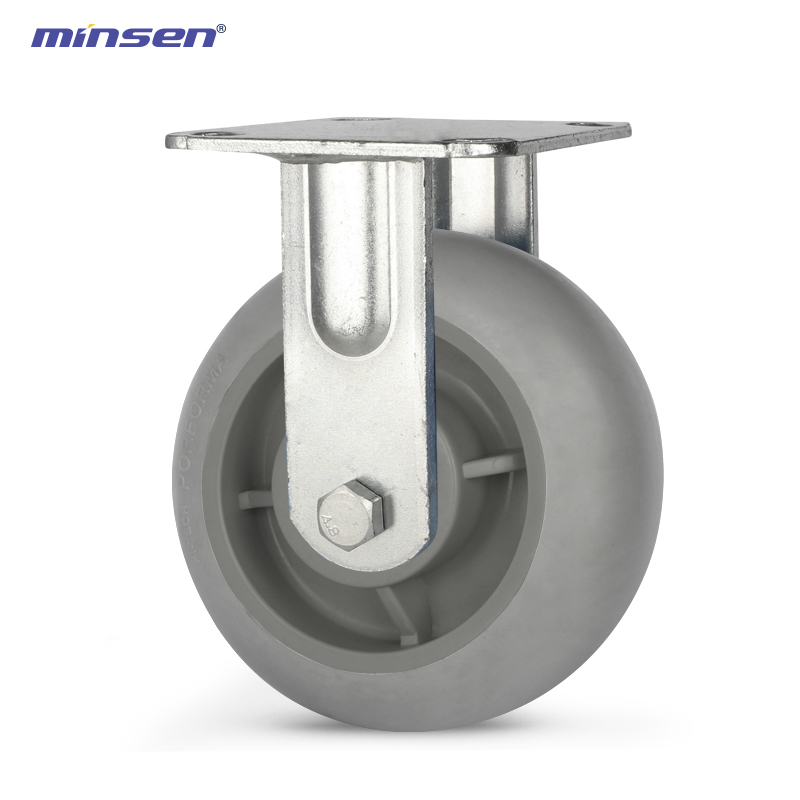
Recognizing When It's Time for Replacement
Even well-specified casters wear out. Knowing when to replace them prevents the kind of gradual degradation that often goes unnoticed until it causes an incident. Signs that replacement caster wheels are needed include:
Visible wheel wear or flat spots: Uneven tread contact creates instability and increases rolling resistance.
Swivel resistance: A stiff or seized swivel head forces operators to exert more effort and reduces directional control.
Bracket deformation or cracking: Structural damage to the bracket compromises load-bearing capacity entirely.
Corrosion on metal components: Surface rust that penetrates the bracket can cause sudden failure under load.
Noise during movement: Grinding or squealing often indicates bearing damage or debris lodged in the swivel mechanism.
Replacing casters proactively—rather than reactively—keeps operations running without unplanned stops and protects floors and equipment from the damage caused by degraded wheels.
How MINSEN Approaches Heavy Duty Caster Quality
MINSEN's manufacturing process applies strict quality control at every stage, from raw material sourcing through finished product testing. Each caster undergoes testing for wear resistance, load-bearing capacity, and rotational performance before leaving the facility.
The product range spans light-duty through extra heavy duty series, with specialty options that include shock-absorbing casters, high-temperature resistant models, stainless steel series, and antistatic variants. For outdoor and industrial buyers, the Extra Heavy Duty Series and Industrial Caster Series offer the structural strength and material durability that demanding environments require.
Buyers can reach the MINSEN team directly via the website, WhatsApp, or email to discuss specifications, request samples, or inquire about custom configurations.
Making the Right Call on Outdoor Caster Selection
The cost difference between a correctly specified caster and an inadequate one is almost always dwarfed by the cost of early failure—in parts, labor, and downtime. Outdoor environments are unforgiving, and heavy loads leave no margin for compromise.
Start with the surface, the load, and the environment. Match the wheel material and bracket finish to those conditions. If the application is non-standard, custom fabrication often delivers better long-term value than adapting a catalog product. And when casters show signs of wear, replace them before they become a liability.
MINSEN Casters manufactures the full range of products discussed in this guide, with factory-direct pricing and support for custom orders. Contact the team to discuss your specific requirements or browse the product catalog at kpminsencasters.com.