Picking the right caster seems simple until you push a loaded cart across a warehouse floor and watch it drift, stick, or roll away on a slope. The wheels underneath your equipment shape how safely and smoothly everything moves. Get them right, and daily operations feel effortless. Get them wrong, and you deal with damaged floors, tipped loads, and frustrated staff.
This guide walks through the main caster types, how to match them to your needs, and what specifications actually matter. It also shows where a reliable manufacturer like Kaiping Mingtai Caster Manufacturing Co., Ltd. (MINSEN) fits into the picture, so you can source parts that last.
What Makes Braking Casters Different From Standard Ones
A caster with a brake gives you control that a plain rolling wheel cannot. When you need equipment to stay put—on a ramp, at a workstation, or during loading—a locking mechanism holds it in place. This matters most for medical carts, service trolleys, and any cart that carries valuable or heavy loads.
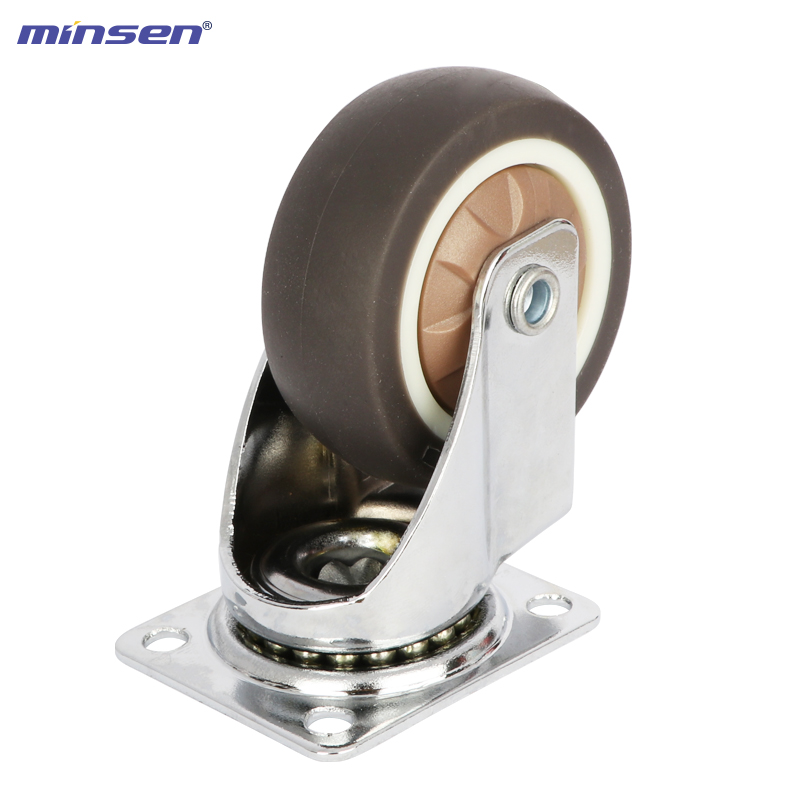
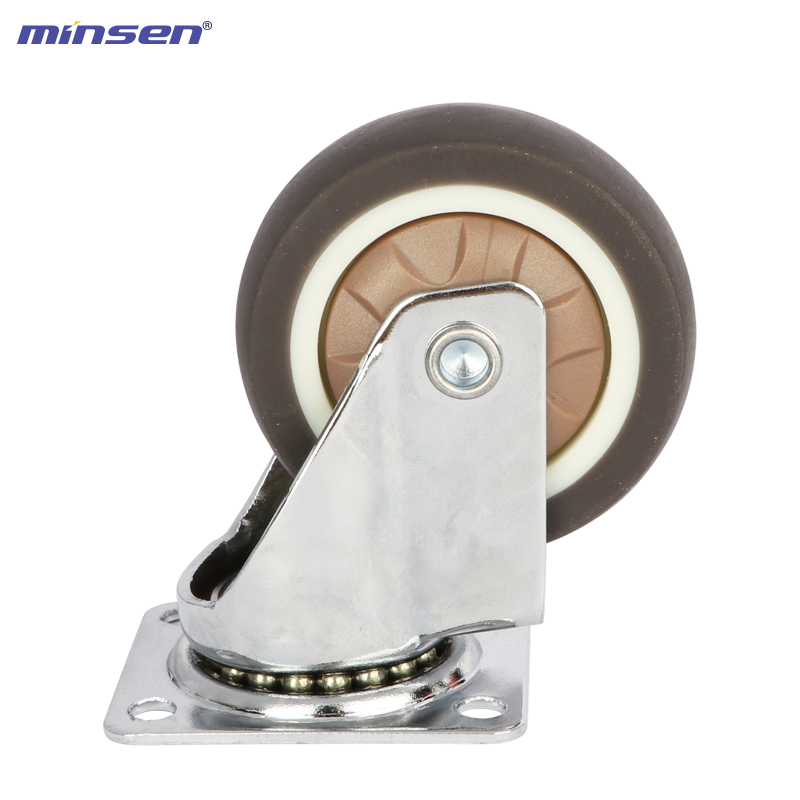
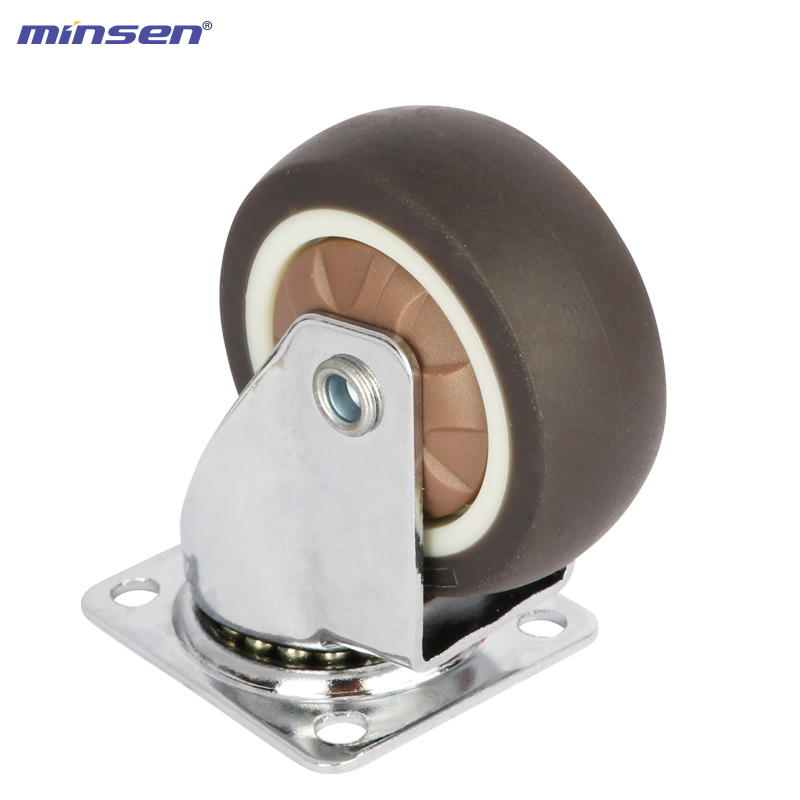
MINSEN produces swivel caster wheels with brakes across light, medium, and heavy-duty ranges. Founded in 2010 in Kaiping, Guangdong, the company runs an 8,000-square-meter factory with in-house stamping, rubber, and injection molding equipment. That full-process control means each braking caster passes tests for wear resistance, load-bearing, and rotation before it ships.
When Rigid Casters Beat Rotating Ones
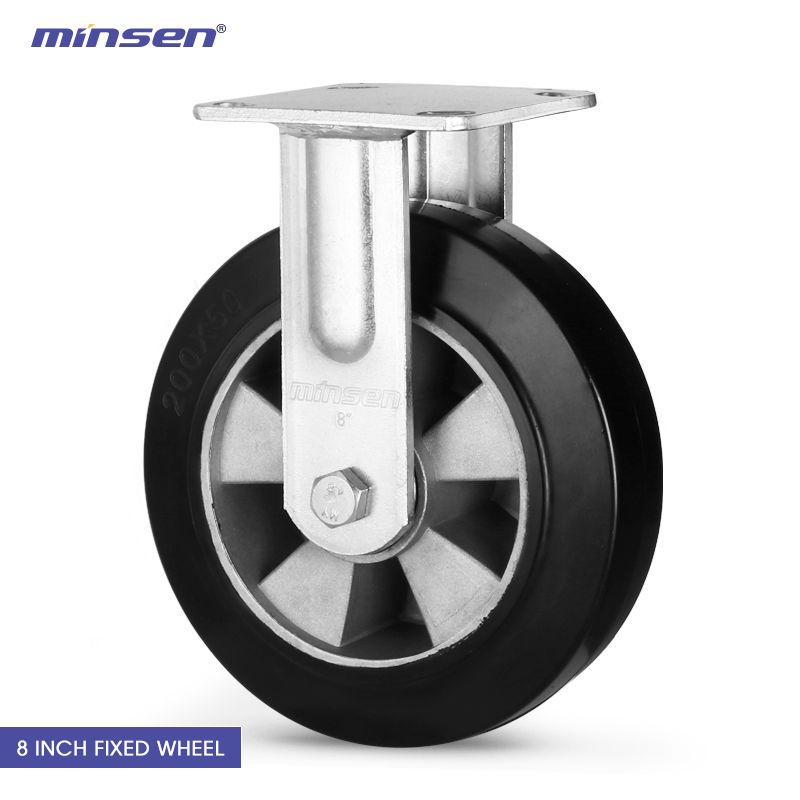
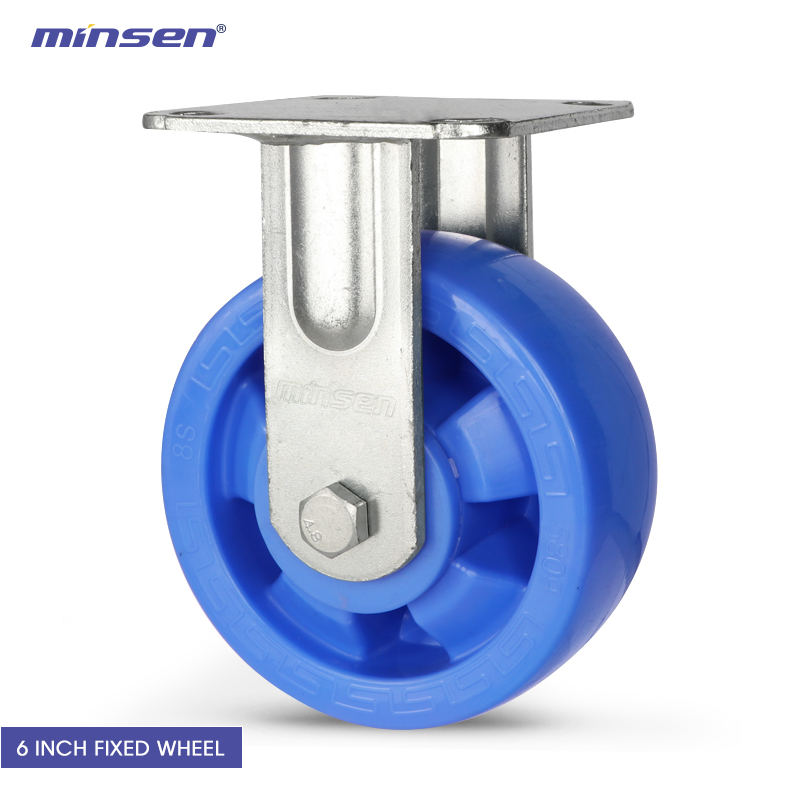
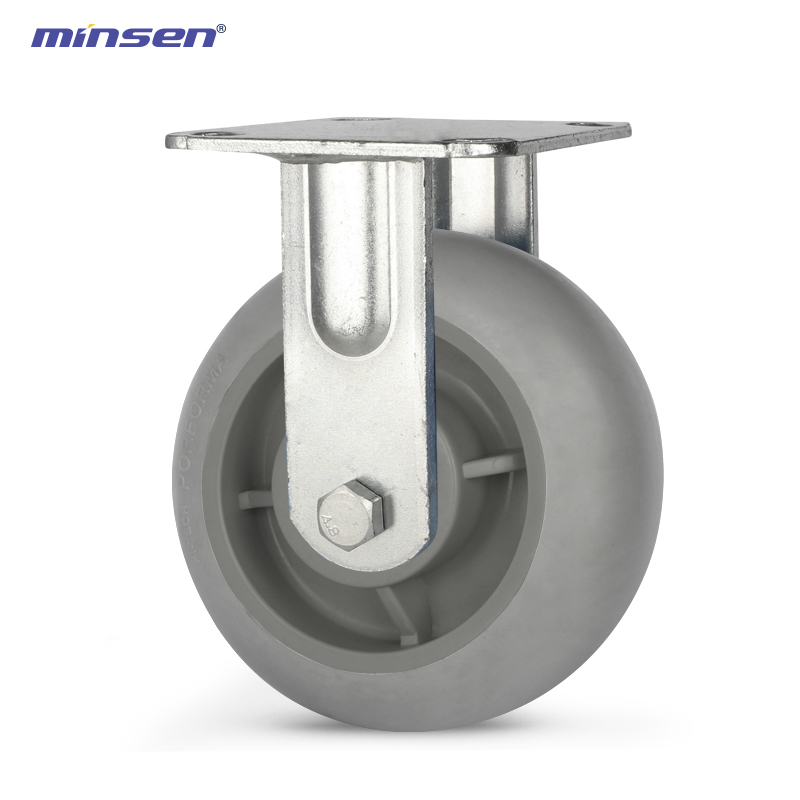
Not every application needs a wheel that turns in every direction. Rigid, non-turning casters move in a straight line only. They add stability and make long carts easier to steer, especially when paired with turning wheels at the front.
A common setup uses two fixed casters at the back and two rotating wheels at the front. This gives you straight-line tracking with easy turning—the same layout you see on shopping carts and platform trolleys. If your equipment travels mostly in straight paths down aisles, this combination reduces operator fatigue and keeps loads on course.
Matching Wheel Material to Your Floor and Environment
The wheel material affects noise, floor protection, and durability. Here is how the common options compare:
Wheel Material | Best For | Floor Impact | Notes |
TPR (rubber) | Quiet indoor use | Non-marking, gentle | Good for hospitals, offices |
Polyurethane | Heavy loads | Protects floors | Strong wear resistance |
Nylon | Rough surfaces | Firmer | Handles debris well |
Stainless steel | Wet or corrosive areas | Durable | Rust and oil resistant |
High-temp wheels | Ovens, kilns | Heat resistant | Withstands 230°C–310°C |
MINSEN supplies all of these materials, so you can order a consistent set matched to your exact working conditions rather than mixing suppliers.
How to Read Load Ratings Correctly
Load capacity trips up a lot of buyers. The rating on a single caster is for one wheel, not the whole cart. To size correctly, add up the total weight of your equipment plus its heaviest load, then divide by the number of casters. Add a safety margin of at least 30% on top.
Underrating leads to cracked wheels and failed bearings. Overrating costs more than needed but rarely causes problems. When in doubt, size up.
Where Turning Casters Deliver the Most Value
Wheels that rotate a full 360 degrees make tight spaces workable. In crowded stockrooms, busy kitchens, or equipment that needs to spin in place, they save time and effort on every move.
MINSEN's swivel caster wheels come in single-wheel and dual-wheel designs. Dual-wheel versions spread the load across two contact points, which improves stability for heavier carts while keeping rotation smooth. Because MINSEN sells factory-direct with no middleman markup, you get this quality at a lower price than most distributors offer.
Why Sourcing From a Direct Manufacturer Pays Off
Buying from a factory rather than a reseller brings a few clear advantages. You get better pricing at the same quality level, plus the option to customize size, color, and material. MINSEN accepts OEM and ODM orders and offers small minimum quantities, which helps businesses that need specific specs without committing to huge volumes.
The company also backs orders with fast production, on-time delivery, and stable after-sales support. For buyers who plan to reorder the same parts over years, that consistency keeps your fleet uniform and easy to maintain.
Making Your Final Choice
Start with your environment, then work through load, floor type, and movement pattern. Choose braking wheels where equipment must stay still, non-turning wheels for straight tracking, and rotating wheels for tight maneuvering. Match the material to your floor and conditions, then size the load rating with a safety margin.
When you know your specs, reach out to a manufacturer who can supply the full set. MINSEN's range covers nearly every industrial, medical, and commercial need, backed by more than a decade of production experience.
Frequently Asked Questions
How many braking wheels does a cart need?
Most carts work well with two locking wheels placed diagonally or at one end. Heavier or sloped-use equipment may need a brake on every wheel for full security.
Can I mix turning and non-turning wheels?
Yes. A two-and-two setup—rotating at the front, rigid at the back—is one of the most common and stable configurations for longer carts.
What wheel material is best for hospitals?
TPR and polyurethane wheels run quietly and won't mark floors, which makes them ideal for medical settings. MINSEN offers a dedicated medical caster range for these needs.
Does MINSEN accept custom orders?
Yes. MINSEN provides OEM and ODM services, letting you specify size, color, and material, and accepts smaller order quantities than many suppliers.