Moving heavy loads shouldn't feel like a fight against your own equipment. Yet in warehouses, factories, and workshops around the world, worn or wrongly-specified wheels cause slow operations, damaged floors, and even injuries. The right wheels make the difference between smooth, efficient material handling and constant headaches.
If you manage a facility that relies on carts, trolleys, or industrial equipment, this guide is for you. We'll walk through what really matters when selecting rolling components, how to match them to your application, and how heavy duty cart wheels can transform the way your team moves goods.
At MINSEN, we've spent over a decade manufacturing casters and trolleys for industries across the globe. Here's what we've learned about choosing wheels that hold up under pressure.
Why the Right Wheel Choice Matters So Much
Every wheel on your equipment has one job: to carry weight and keep moving. When a wheel fails to do that well, the ripple effects show up everywhere.
Poorly chosen wheels wear out faster, forcing frequent replacements and unexpected downtime. They can crack, chip, or gouge your floors—turning a smooth concrete surface into an expensive repair project. Worst of all, unstable or hard-to-steer wheels put strain on your workers, raising the risk of back injuries and accidents.
The good news? Getting the specification right from the start prevents nearly all of these problems. It comes down to understanding a few key factors.
The Key Factors to Consider Before Buying
Selecting the correct rolling components isn't complicated once you know what to look at. Here are the essentials.
Load Capacity
Start with weight. Add up the heaviest load your cart will ever carry, then divide by the number of wheels. Always build in a safety margin—choose components rated well above your maximum expected load. Under-rating is one of the most common and costly mistakes in material handling.
Wheel Material
The wheel surface determines how it performs on your floor. Here's a quick comparison of common options:
Material | Best For | Floor Protection | Durability |
Polyurethane (PU) | General industrial use | Excellent | High |
Rubber (TPR) | Quiet, shock-absorbing needs | Very good | Medium |
Nylon | Heavy loads, rough surfaces | Fair | Very high |
Steel/Cast iron | Extreme loads, high heat | Poor | Extreme |
Stainless steel | Wet or corrosive settings | Good | Very high |
Wheel Diameter
Larger wheels roll more easily over bumps, gaps, and rough terrain. They also spread weight over a wider area, reducing floor damage. If your route includes uneven surfaces or thresholds, size up.
Environment
Consider where the wheels will operate. High temperatures, chemicals, moisture, and debris all affect performance. A wheel that thrives in a dry warehouse may quickly fail in a food-processing plant or a hot kiln area.
Matching Casters to Your Application
Not all facilities have the same needs. A hotel housekeeping cart and a factory transport trolley call for very different components.
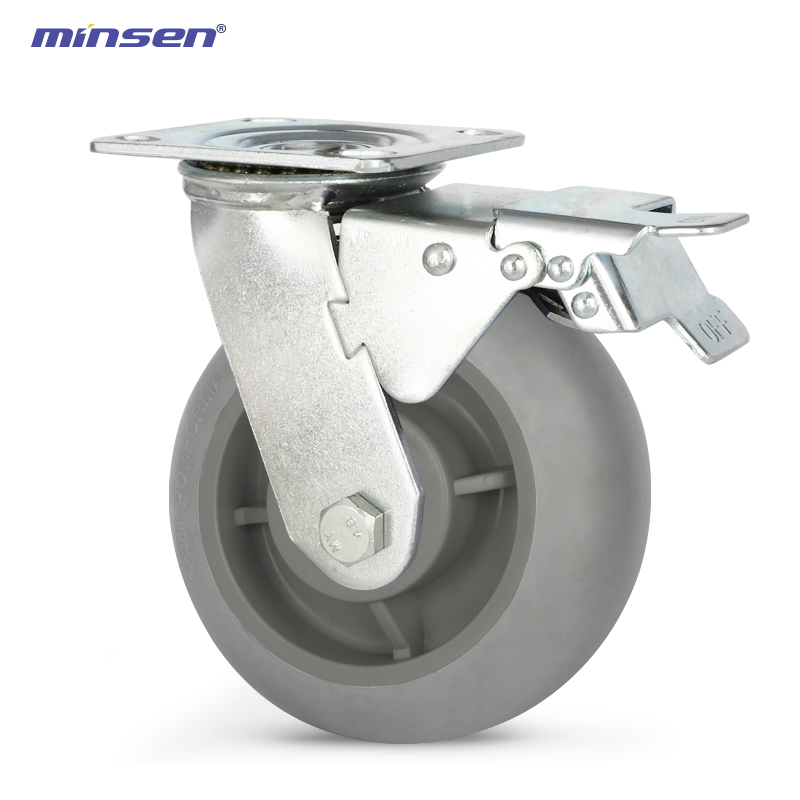
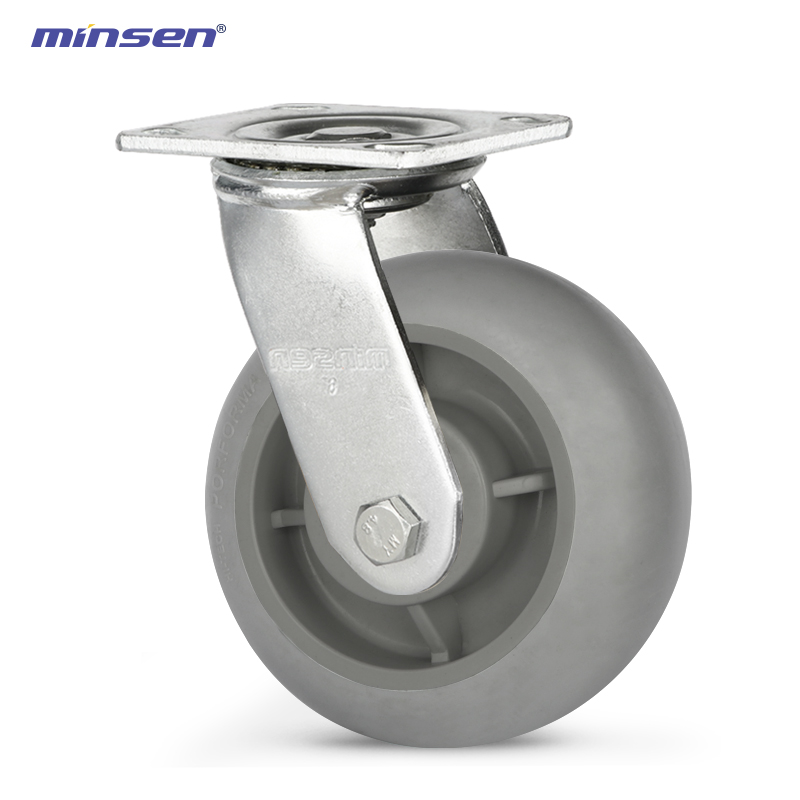
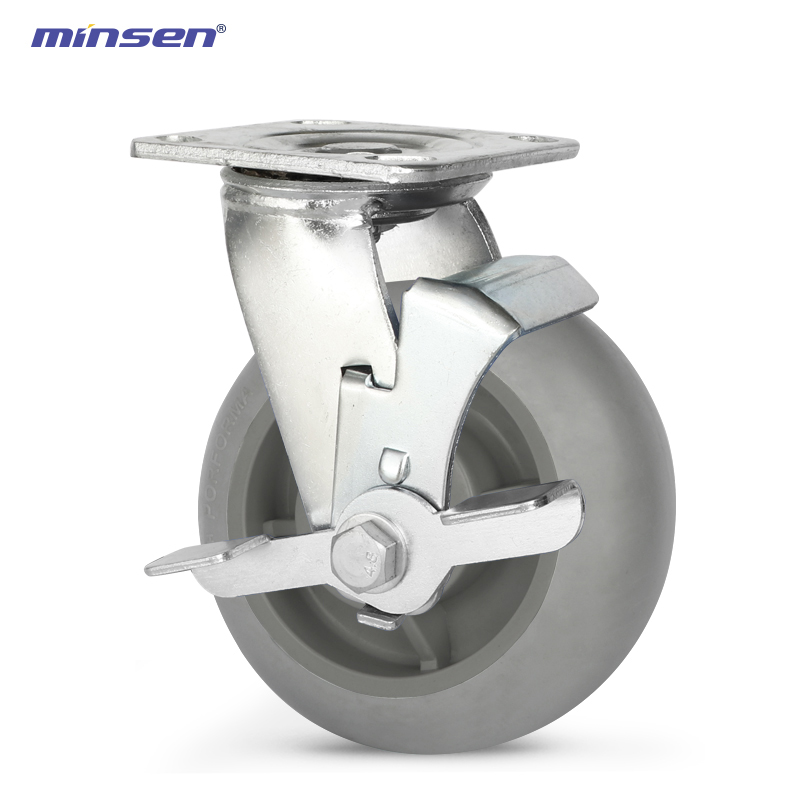
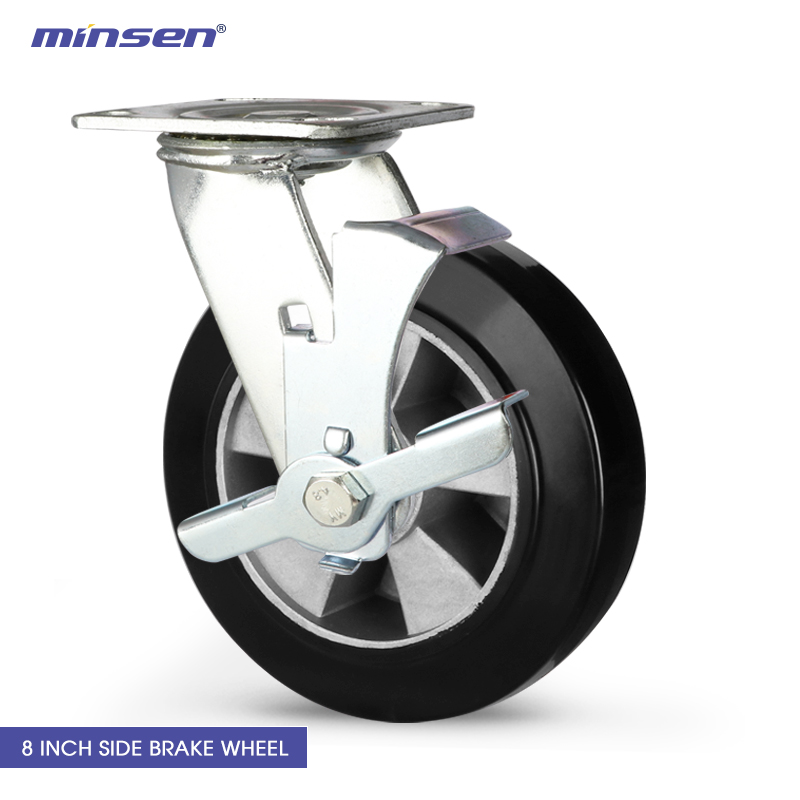
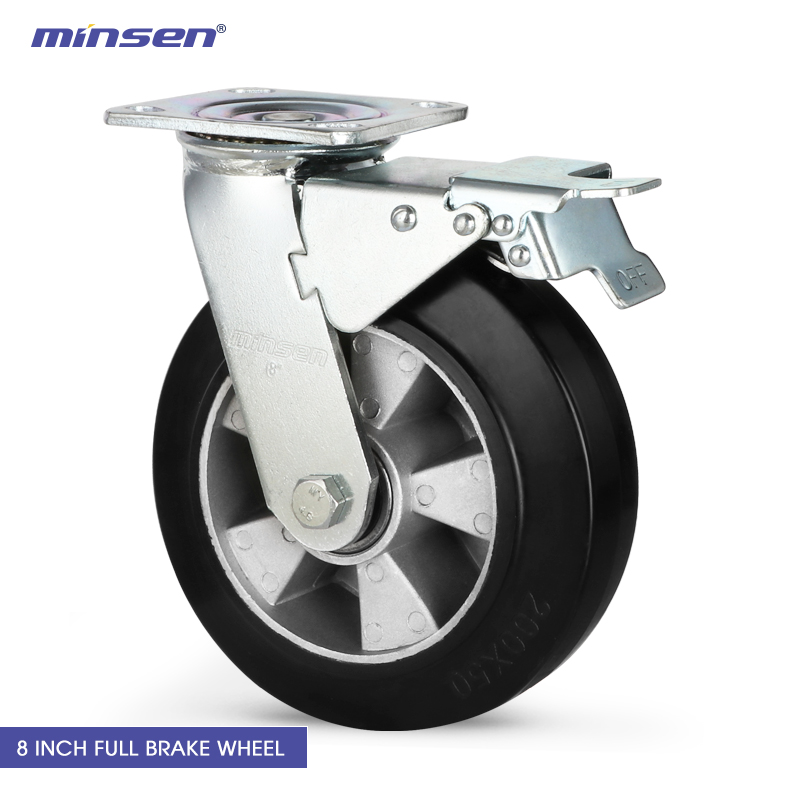
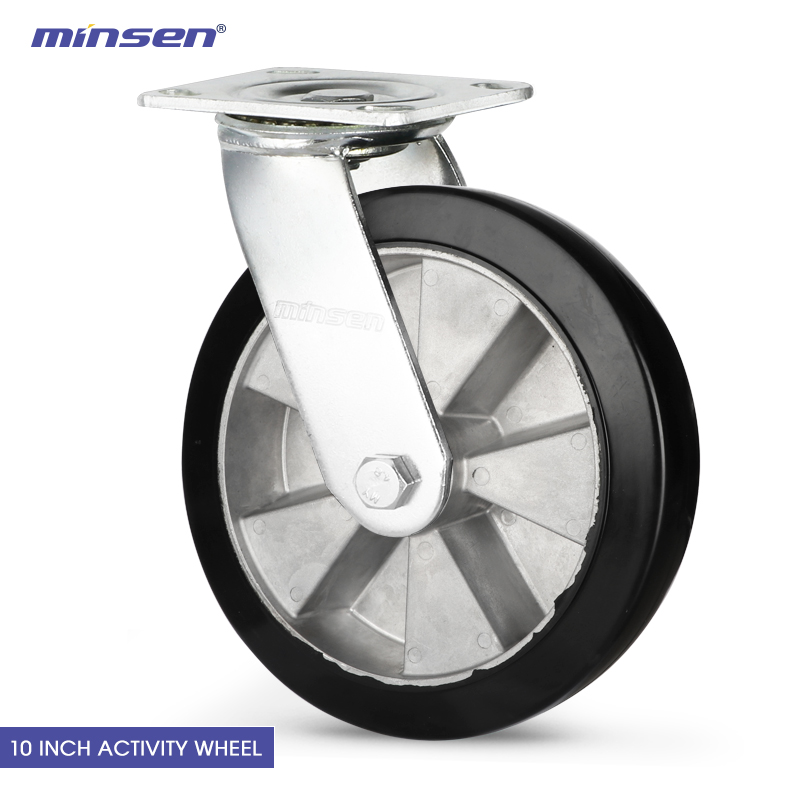
For high-weight applications where equipment stays in motion for long hours, load bearing caster wheels with reinforced brackets and precision bearings deliver the stability and long life you need. These are built to keep rolling smoothly even when carrying loads that would flatten a standard caster.
For lighter, more mobile tasks—think retail stockrooms, offices, or medical settings—medium-duty options balance maneuverability with reliable support. The trick is honest assessment: don't over-buy for a light job, but never under-spec for a demanding one.
How Trolleys and Casters Work Together
Wheels are only half the equation. The cart or frame they're attached to matters just as much. A well-built platform paired with quality wheels gives you a mobility solution that performs as a single, dependable unit.
Complete systems like hand trucks and trolleys are engineered so the frame, axles, and rolling components share the load evenly. This integration extends the service life of every part and makes the whole cart easier and safer to operate. When you buy a matched system, you avoid the guesswork of pairing mismatched parts.
What Sets MINSEN Apart
Kaiping Mingtai Caster Manufacturing Co., Ltd. was founded in 2010 in Kaiping, Guangdong—a region known worldwide for its manufacturing heritage. Our 8,000-square-meter factory houses hardware stamping, rubber processing, and large-scale injection molding equipment, all under one roof.
Because we supply direct from the factory, there's no middleman markup. That means better quality at the same price, or the same quality for less. Every product passes strict inspection for wear resistance, load-bearing strength, and smooth rotation before it ships.
We also offer full OEM and customization services. Whether you need a specific size, color, material, or load rating, our team works with you from requirements to finished product—with fast production and dependable after-sales support.
Making Your Decision
Choosing the right rolling components starts with three questions: How much weight? What floor and environment? And how mobile does the equipment need to be? Answer those honestly, build in a safety margin, and match your wheels to a quality frame.
Get it right, and your carts will move loads smoothly for years while protecting your floors and your workers. Get it wrong, and you'll be back shopping for replacements far too soon.
Ready to find the perfect fit for your operation? Reach out to the MINSEN team for a tailored recommendation, a custom quote, or a free consultation on your mobility needs.
Frequently Asked Questions
How do I calculate the load capacity I need?
Take the total weight of the cart plus its maximum load, divide by the number of wheels, then choose components rated above that figure. A safety margin of 20–30% helps handle uneven weight distribution and sudden impacts.
Which wheel material is best for protecting my floors?
Polyurethane and rubber (TPR) offer the best floor protection while still carrying heavy loads. Steel and cast iron handle extreme weight but can damage softer surfaces, so reserve them for rugged or high-heat environments.
Can I get custom sizes and materials?
Yes. MINSEN provides OEM and ODM services, letting you customize size, color, material, and load rating. Contact our customer service team to discuss your specific requirements.