Choosing the wrong caster can slow down an entire operation. A wheel that cracks under load, drags on the floor, or seizes up in a hot workshop creates downtime, damaged floors, and safety risks. The right caster does the opposite—it carries weight smoothly, protects surfaces, and lasts for years.
This post breaks down the main caster and wheel types, where each one performs best, and how to match the material to your environment. Along the way, you'll see how metal caster wheels and other options from Kaiping Mingtai Caster Manufacturing Co., Ltd. (MINSEN) fit into real industrial and commercial settings.
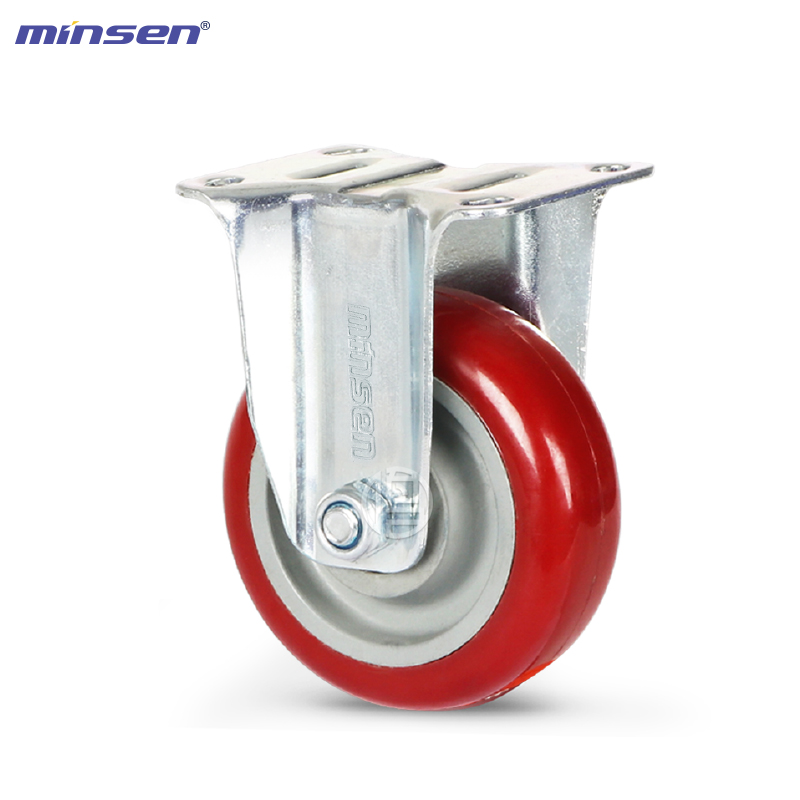
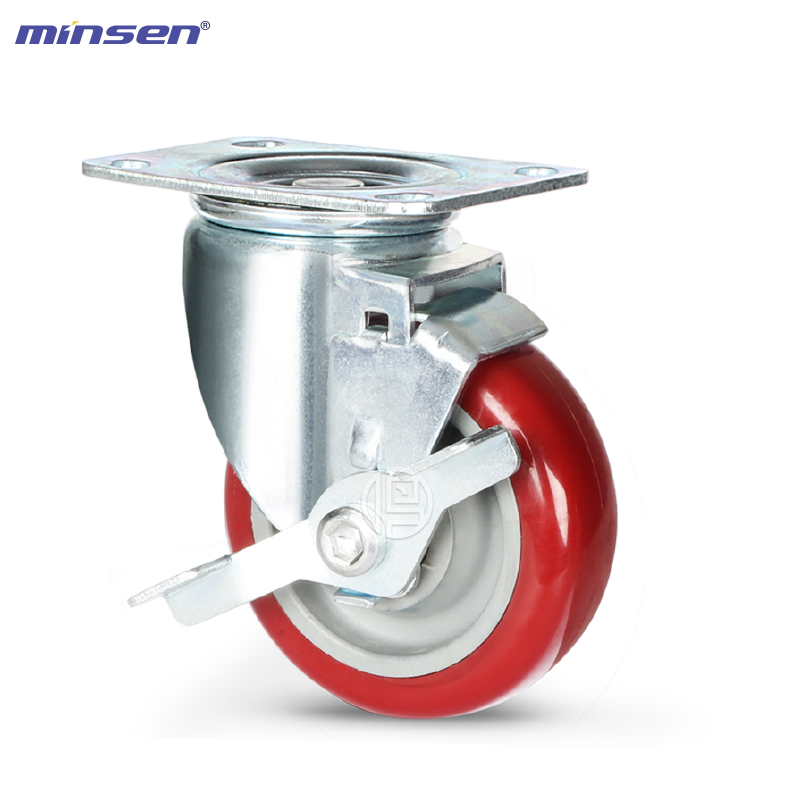

What a caster actually has to do
A caster looks simple, but it does a lot of quiet work. It supports the load, absorbs shock, rolls with little effort, and swivels when you need to change direction. Get any of these wrong, and the whole cart, rack, or machine suffers.
Three factors decide whether a caster performs well:
Load capacity — how much weight each wheel carries safely.
Floor type — smooth concrete, tile, epoxy, or rough outdoor surfaces.
Environment — heat, moisture, oil, chemicals, or clean-room conditions.
MINSEN has focused on these details since 2010. The company runs an 8,000-square-meter factory in Kaiping with hardware stamping, rubber, and large injection-molding equipment. That in-house setup lets MINSEN control quality from raw material to finished caster.
Matching wheel material to the job
The wheel material shapes almost everything about performance—noise, floor protection, grip, and durability. Here's a quick comparison of common options.
Wheel material | Best for | Key strength | Watch out for |
High-elastic rubber | Warehouses, general carts | Quiet, cushioned ride | Lower heat resistance |
Polyurethane (PU) | Heavy loads on smooth floors | Strong load rating, floor-friendly | Higher cost |
Cast metal | Extreme loads, rough surfaces | Very high capacity | Noisy, can mark floors |
Nylon | Wet or chemical areas | Corrosion resistant | Less shock absorption |
High-temperature | Ovens, drying lines | Handles 230°C–310°C | Not for everyday use |
If quiet movement and comfort matter most, softer wheels win. If raw capacity is the priority, harder wheels take over. MINSEN's range covers the full span, from light-duty models to super heavy-duty units.
Where soft, elastic wheels shine
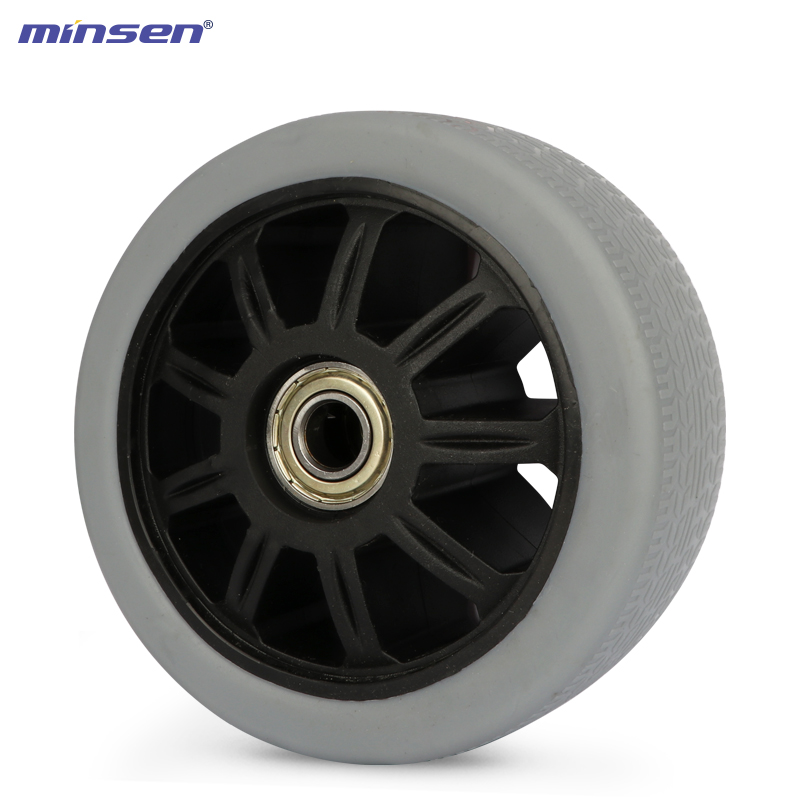
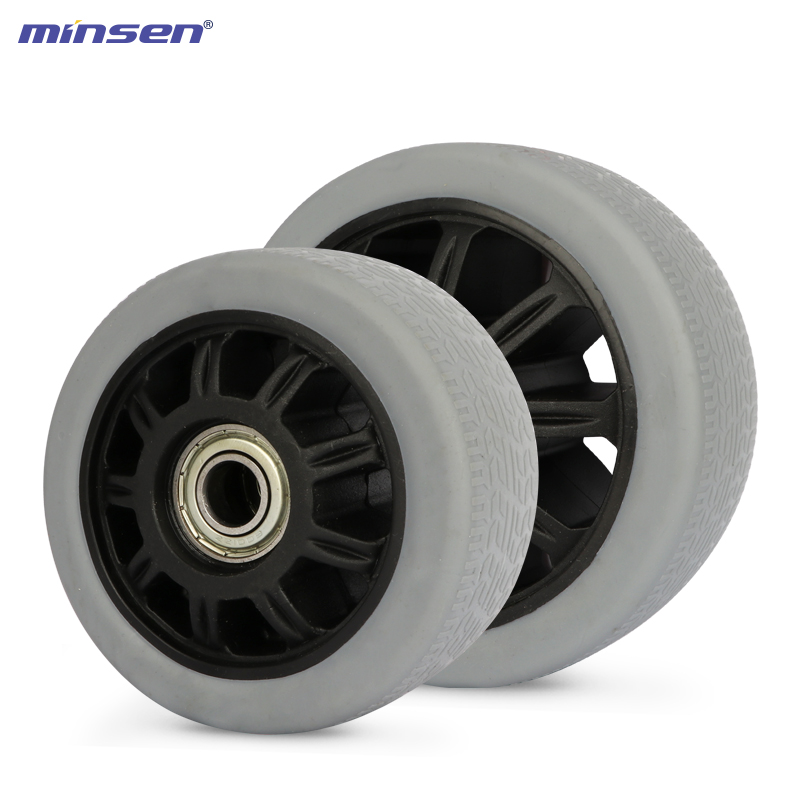
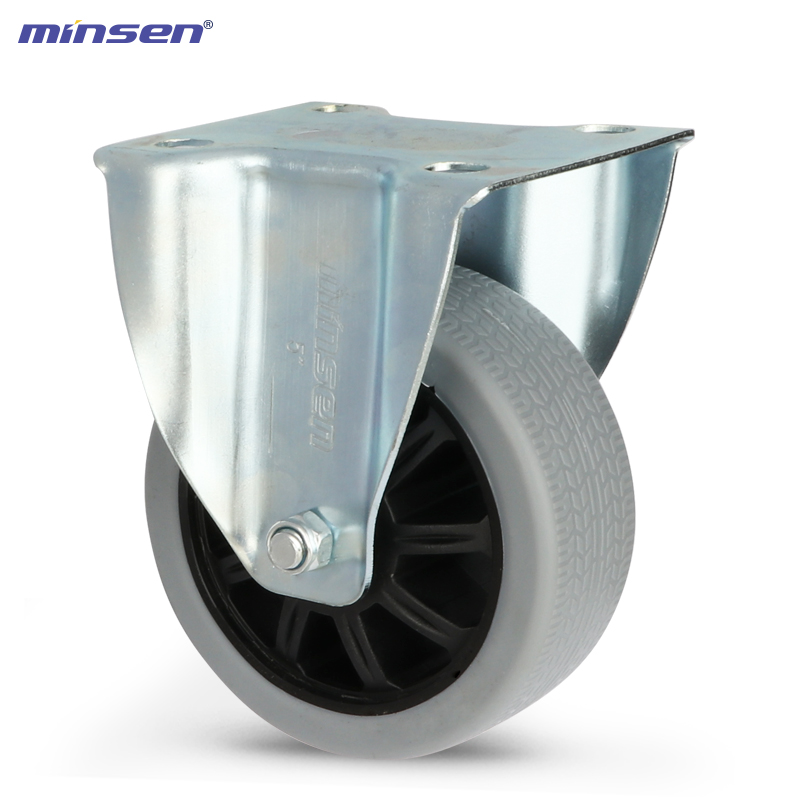
Not every caster needs to be tough as steel. In many workplaces, a softer wheel is the smarter choice. TPR—thermoplastic rubber—is a popular option because it rolls quietly, cushions the load, and leaves floors unmarked.
These qualities suit hotels, hospitals, offices, and retail stockrooms, where noise and floor scuffs are a real concern. MINSEN's tpr wheels deliver that smooth, quiet performance without giving up everyday durability. For carts that move through public spaces or quiet wards, they're often the better pick over harder alternatives.
Handling harsh and demanding environments
Some settings punish equipment. Food-processing plants deal with constant washdowns. Chemical facilities expose wheels to corrosive substances. High-temperature lines can destroy a standard caster in weeks.
For these conditions, material choice isn't optional—it's the whole game. Corrosion-resistant builds hold up where ordinary steel would rust. MINSEN's stainless steel casters resist moisture, oil, and cleaning chemicals, which makes them a reliable fit for kitchens, labs, and medical spaces. For heat-heavy operations, MINSEN also produces dual-axis wheels rated for 230°C to 310°C.
The lesson is simple: pick the caster for the environment first, then confirm the load rating.
Why buyers choose MINSEN
Plenty of suppliers sell casters. Fewer control the entire process the way MINSEN does. As a direct manufacturer, MINSEN cuts out the middleman markup—so you get better quality at the same price, or the same quality for less.
A few things set the company apart:
Factory-direct pricing with no reseller layers.
OEM and customization for size, color, and material.
Full-process control, from stamping and molding to final testing.
Strict quality checks for wear resistance, load-bearing, and rotation.
Fast turnaround and stable after-sales support.
With more than a decade of experience and a global customer base, MINSEN builds casters and trolleys for medical, logistics, manufacturing, food-processing, and automotive use. Each product passes multiple tests before it ships.
Making the right choice for your operation
The best caster is the one built for your exact conditions. Start with the load, factor in your floor, then let the environment guide your material choice. A quiet TPR wheel suits a hospital corridor; a corrosion-proof stainless model belongs in a washdown zone; a cast-metal wheel handles the heaviest loads.
If you're not sure which option fits, MINSEN's team can help you spec the right caster—or build a custom one from scratch. Reach out through the contact page to discuss your requirements and keep your equipment rolling smoothly for years to come.
Frequently asked questions
How do I know what load capacity I need?
Add up the total weight your cart or equipment will carry, then divide by the number of casters. For safety, choose casters that together handle more than that total, since uneven floors can put extra strain on individual wheels.
Which wheel material is quietest?
Softer materials like rubber and thermoplastic options roll the quietest and cushion shock well. Harder wheels such as cast metal carry more weight but produce more noise.
Can MINSEN customize casters for my application?
Yes. MINSEN offers OEM services and accepts customized orders, adjusting size, color, and material to match your needs. The process starts with a requirements discussion and moves through design, sampling, and production.
What industries does MINSEN serve?
MINSEN supplies casters and trolleys for medical, logistics, hotel, manufacturing, food-processing, automotive, and retail settings, backed by more than ten years of production experience.