When moving heavy equipment across a warehouse floor, the components attached to the bottom of your carts dictate how smoothly everything operates. Choosing the wrong mobility hardware can lead to damaged floors, excessive noise, and workplace injuries. Upgrading your equipment hardware is a straightforward way to improve overall efficiency.
This post explains the science behind modern mobility solutions, highlighting their specific benefits and common applications. You will learn how to identify the best materials for your specific environment, ensuring your carts and trolleys perform perfectly under pressure.
What Makes These Mobility Components Stand Out?
Engineers and facility managers constantly look for materials that blend durability with floor protection. Traditional materials often force a compromise. Hard plastics carry immense weight but leave permanent scratches on delicate surfaces. Soft rubbers protect the ground but struggle to support heavy loads without flattening.
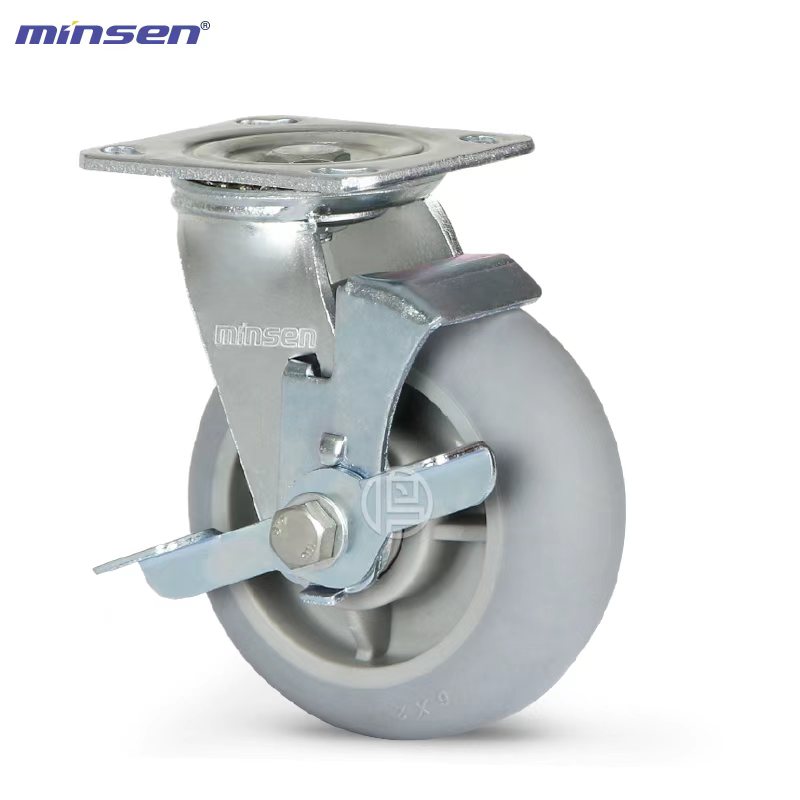
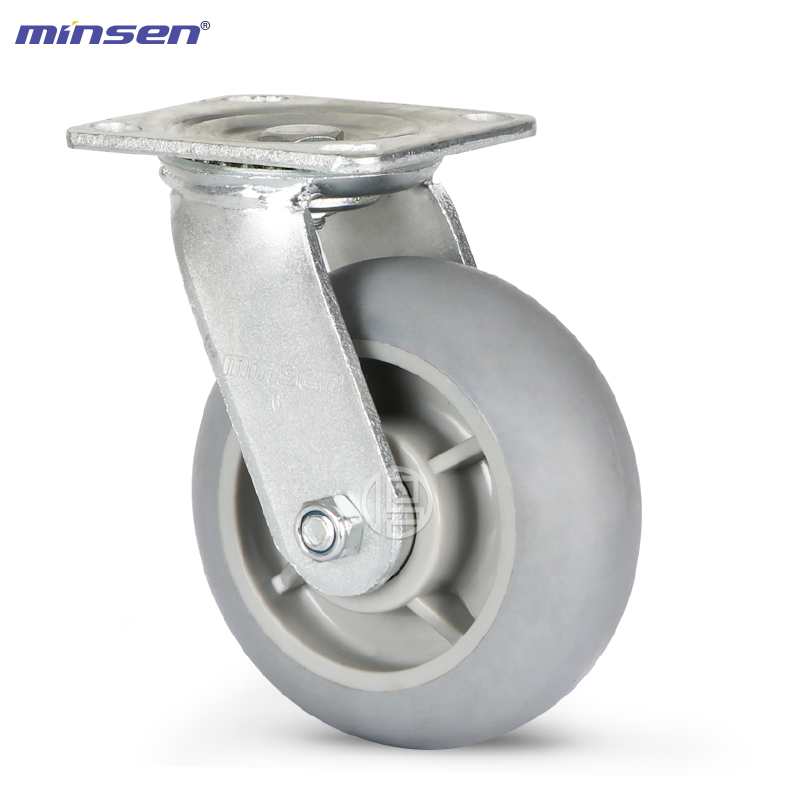
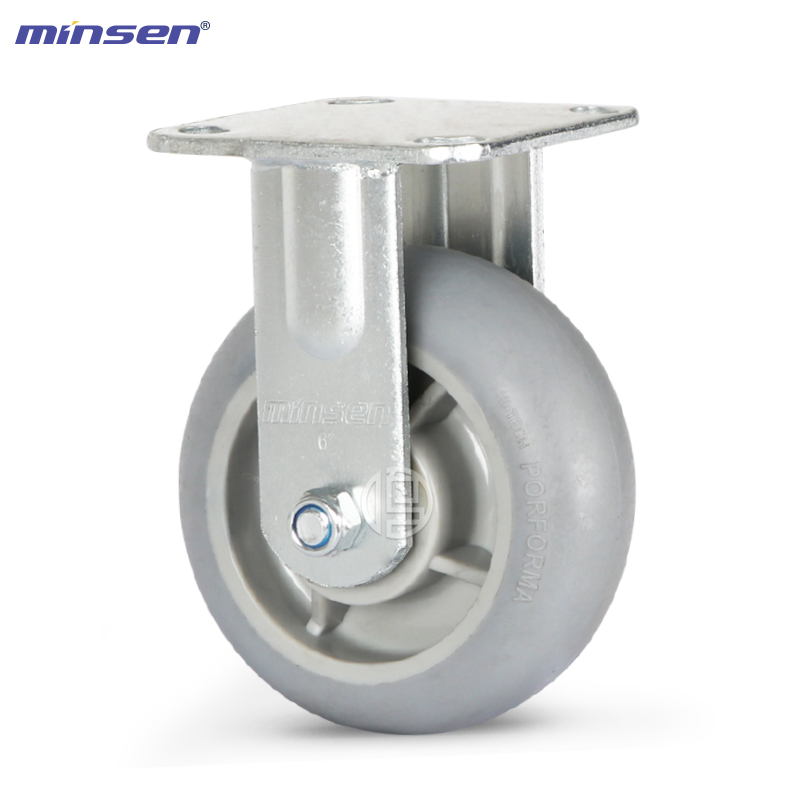
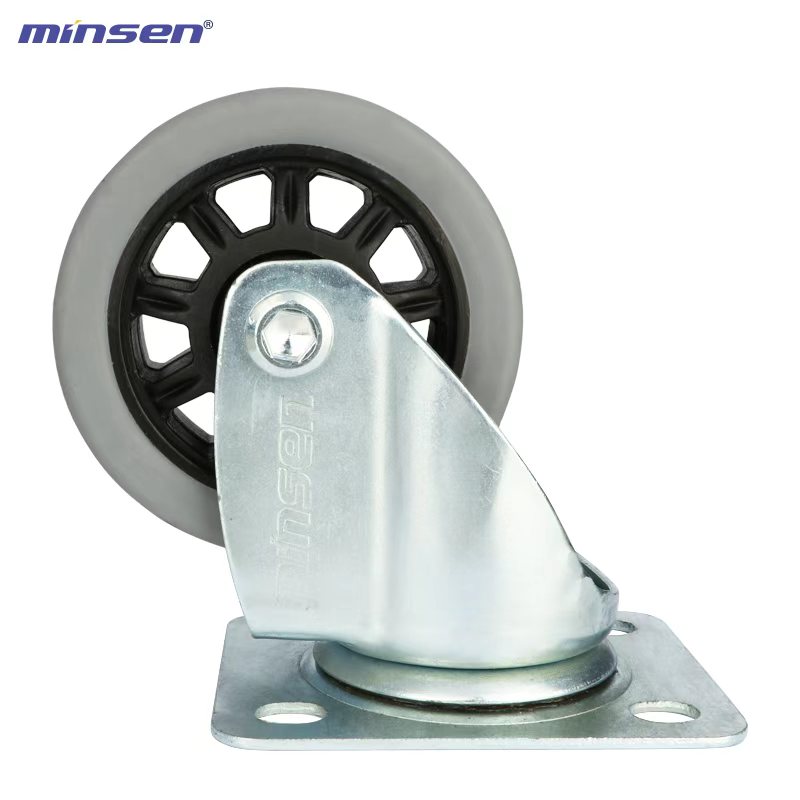
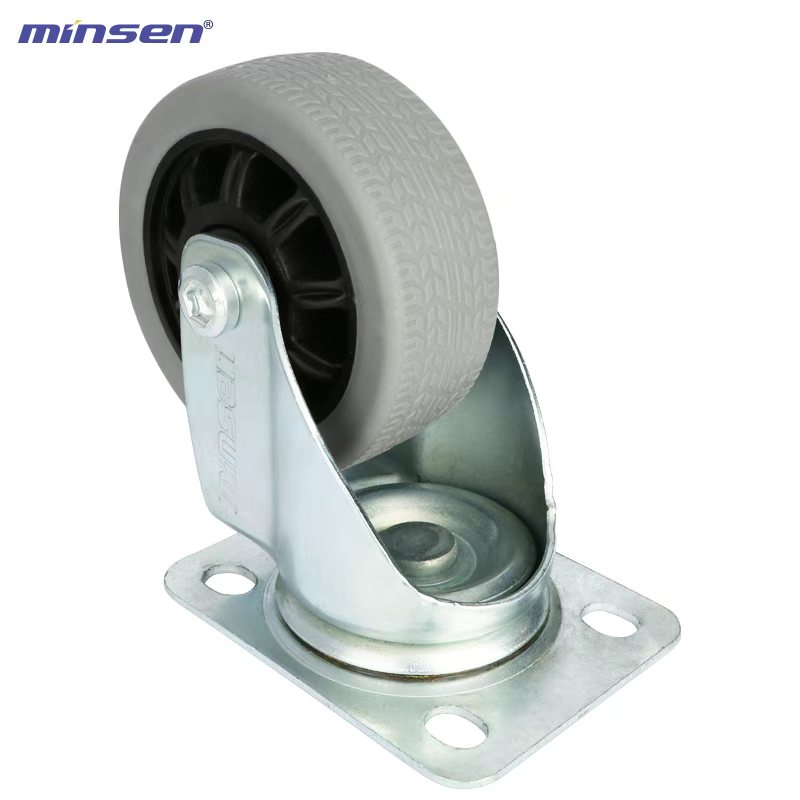
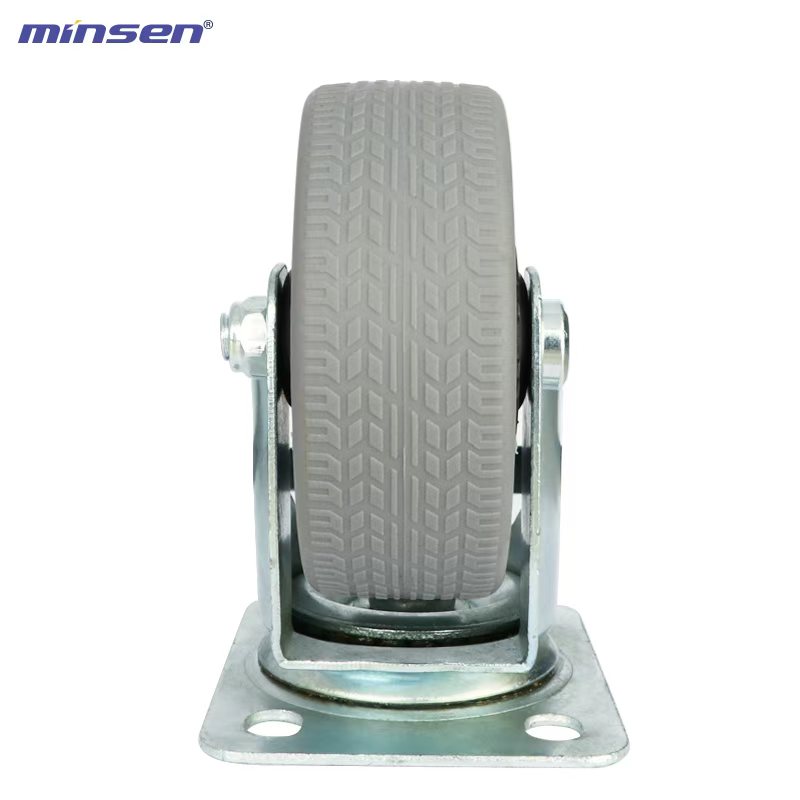
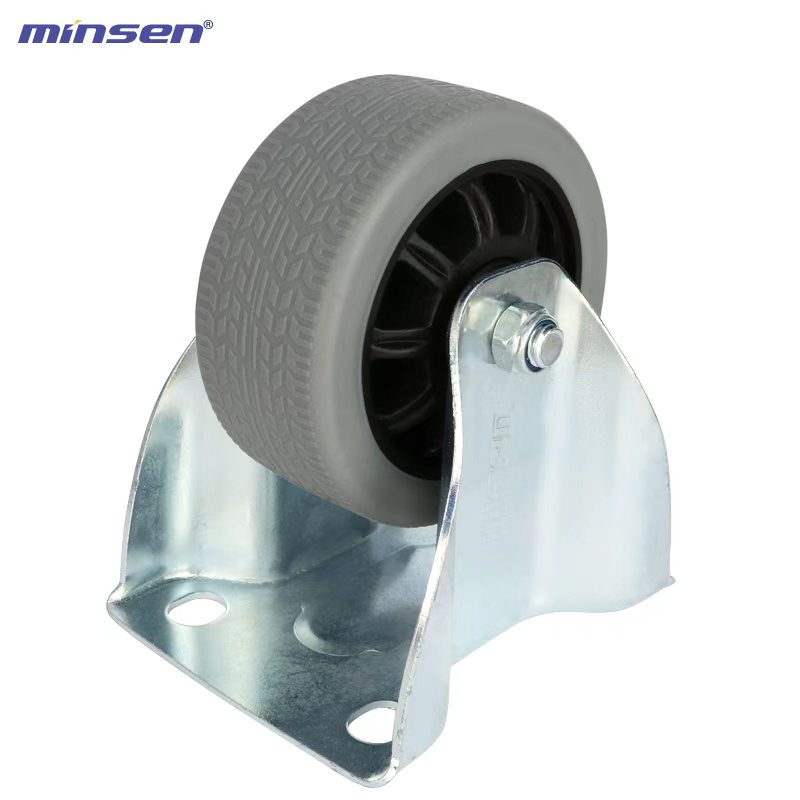
This is where thermoplastic rubber wheels bridge the gap. Manufacturers create this material by blending plastic polymers with synthetic rubber components. The resulting hybrid delivers the load-bearing capacity of hard plastics while maintaining the shock-absorbing qualities of traditional rubber.
The injection molding process binds the soft tread chemically and mechanically to a hard inner core. This prevents the tread from separating under heavy stress, making it an incredibly reliable choice for demanding environments.
Key Benefits for Industrial and Commercial Use
Switching to advanced synthetic blends offers several distinct advantages for both the equipment operators and the facility itself.
Floor Protection and Noise Reduction
Hard surfaces like polished concrete, tile, and linoleum require gentle handling. The soft tread of these components glides smoothly over debris and uneven surfaces without embedding metal shavings or gravel into the floor. This eliminates the costly floor repairs often associated with steel or hard nylon alternatives.
Furthermore, the shock-absorbing nature of the material dampens vibrations. This creates a remarkably quiet operation, which is essential for environments like hospitals, schools, and quiet office buildings where noise pollution disrupts daily activities.
Chemical and Weather Resistance
Industrial environments frequently expose equipment to harsh chemicals, cleaning solvents, and extreme temperatures. Traditional rubber degrades rapidly when exposed to oils or greases. Advanced synthetic blends resist a wide range of chemicals, ensuring the tread does not swell, crack, or peel over time. They also perform well in cold environments, maintaining their elasticity when standard materials become brittle and prone to shattering.
Material Comparison Overview
To understand how different options stack up against each other, review the comparison below. Note how synthetic blends balance various performance metrics.
Material Type
Floor Protection
Noise Level
Chemical Resistance
Shock Absorption
Solid Steel
Poor
Very High
Excellent
Low
Cast Iron
Poor
High
Good
Low
Standard Rubber
Excellent
Low
Poor
High
Polyurethane
Good
Medium
Good
Medium
Synthetic Polymer Blends
Excellent
Very Low
Excellent
High
Common Applications in the Workplace
Because of their versatile nature, these components appear in almost every industry. Medical facilities rely on them heavily. Hospital beds, IV poles, and medical carts must move silently down hallways without leaving scuff marks on sterile floors.
In the food service and hospitality sectors, hotel luggage carts and kitchen utility racks utilize tpr casters to navigate tight spaces smoothly. They handle the transition from carpeted lobbies to tiled kitchens effortlessly. Furthermore, their resistance to water and cleaning chemicals makes them ideal for washdown environments.
Manufacturing plants use them for light to medium-duty material handling. Assembly line carts and tool chests benefit from the vibration dampening, protecting sensitive electronic components during transport.
Selecting the Right Fit for Your Equipment
Before making a purchase, evaluate the specific needs of your facility. Calculate the total weight of your equipment fully loaded, and divide that number by the total number of mobility points minus one. This accounts for uneven surfaces where one corner might lift off the ground.
Consider the environment. Are there harsh chemicals present? Will the carts travel outdoors? Matching the environmental conditions to the material properties guarantees a longer lifespan for your equipment. By installing high-quality tpr caster wheels, you reduce maintenance costs and improve ergonomic safety for your staff.
Maximize Your Cart Performance
Investing in the right mobility hardware transforms how your team moves materials. By balancing load capacity with superior floor protection and noise reduction, synthetic polymer blends offer an ideal solution for most commercial and industrial challenges.
Take a moment to inspect your current equipment. If you notice floor damage, hear excessive noise, or see degraded treads, it is time for an upgrade. Evaluate your load requirements, assess your facility's environment, and upgrade your mobility components to ensure smooth, safe, and efficient operations.