TL;DR:
Selecting the correct mobility equipment requires calculating total payload capacity, assessing floor surface types, and evaluating environmental factors. Facility managers should divide the maximum cart weight by the number of wheels minus one to ensure safe load distribution and prevent workplace injuries.
Moving massive equipment across a concrete warehouse floor demands reliable hardware. When production lines rely on carts, dollies, and mobile workstations, the components attached to the bottom of these units dictate how smoothly operations run. Faulty equipment often leads to damaged floors, excessive noise, and dangerous working conditions.
Upgrading your mobility hardware is a straightforward way to improve workplace safety and efficiency. However, with hundreds of different specifications available, finding the exact fit for a specific environment requires careful planning. You need to account for payload limits, floor types, chemical exposure, and temperature extremes.
The most effective approach involves assessing your facility's unique operational demands before purchasing any new components. To help you navigate this process, we will explore the core factors that dictate equipment performance. By the end of this guide, you will understand exactly how to specify the right heavy duty casters to keep your industrial operations moving safely and efficiently.
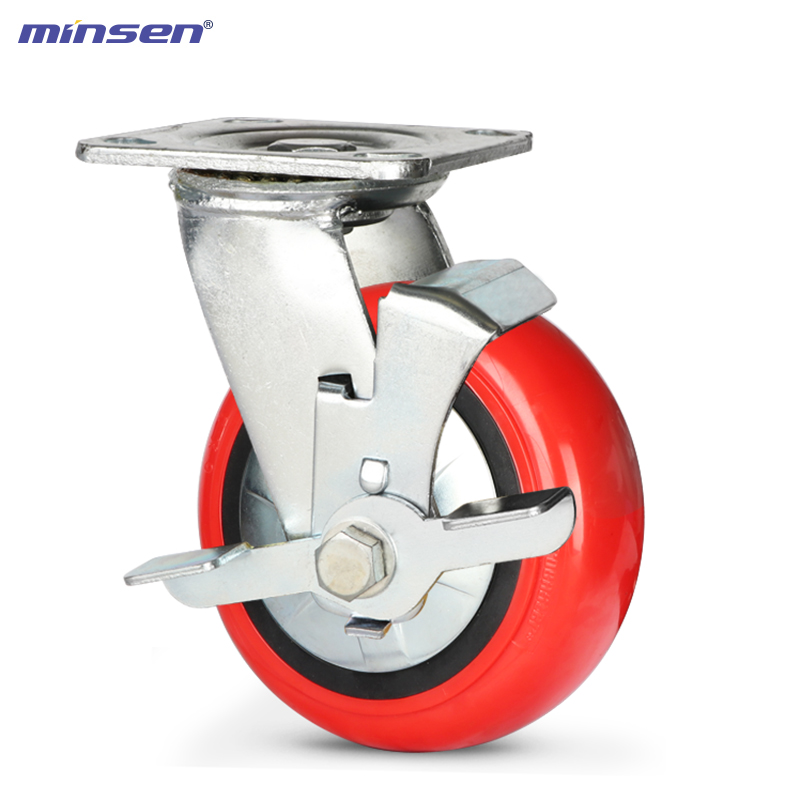
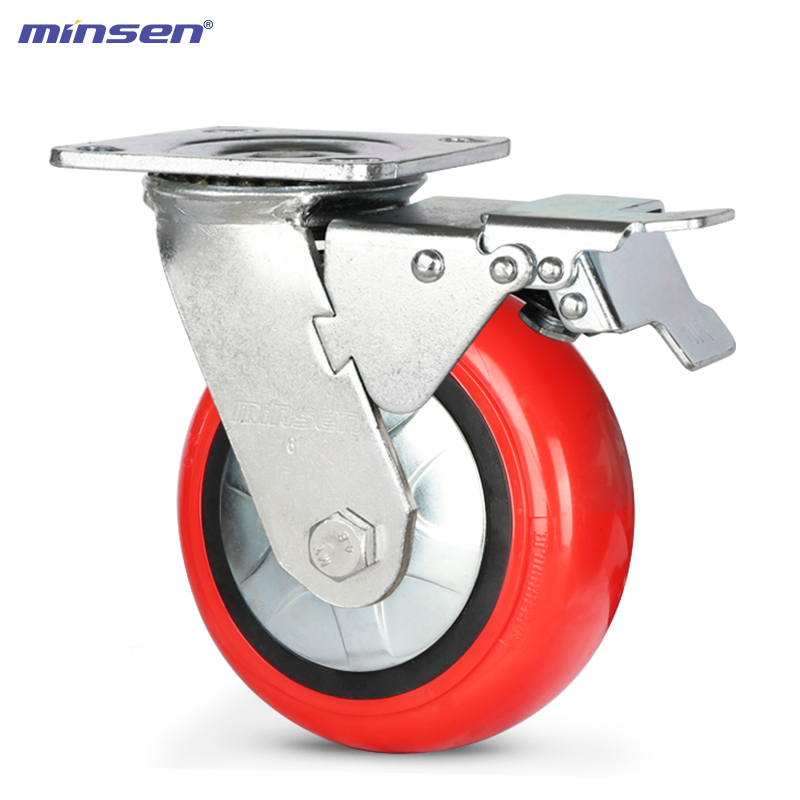
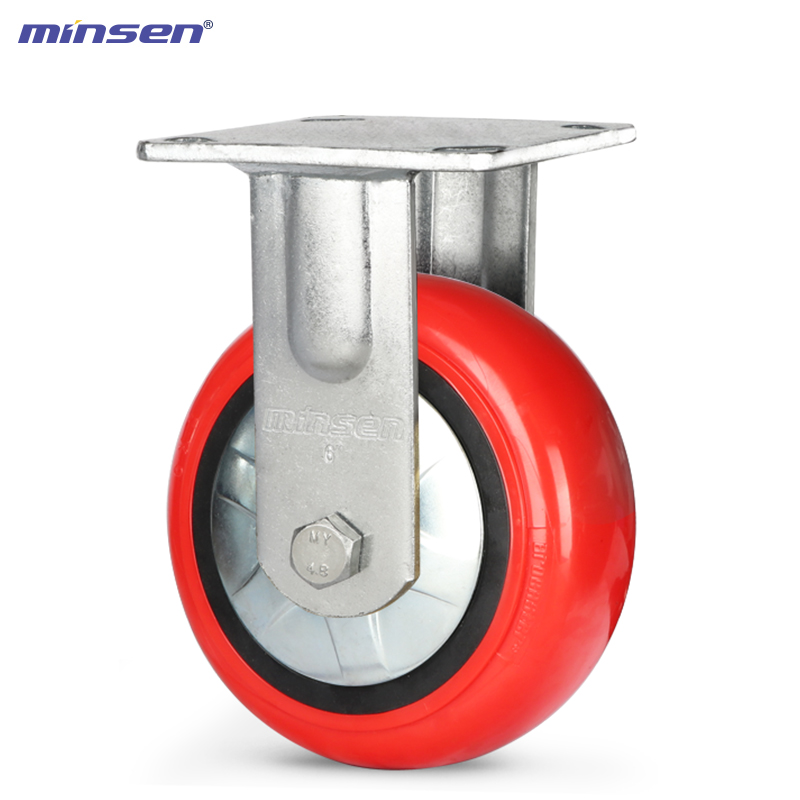
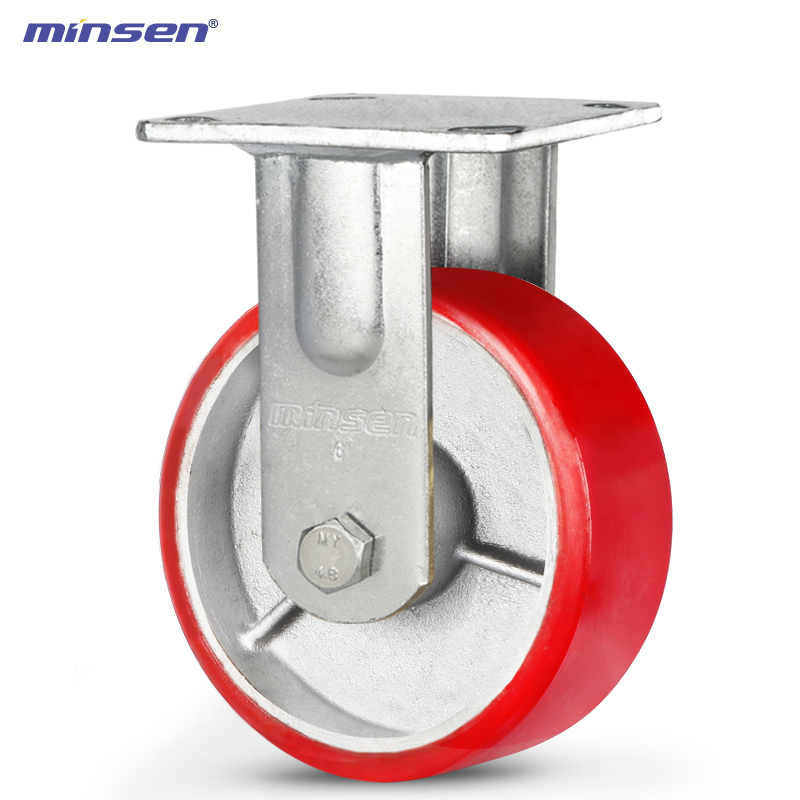
What are the most common materials used for mobility equipment?
The tread material covering a wheel directly impacts its performance, durability, and suitability for specific environments. Harder materials generally carry more weight and roll easier, while softer materials offer better floor protection and noise reduction.
For facilities that handle sensitive chemicals or operate in wet environments, corrosion resistance becomes the top priority. In these specific scenarios, stainless steel casters provide excellent durability because they resist rust and withstand frequent washdowns. Food processing plants and medical facilities rely heavily on these corrosion-resistant options to maintain strict hygiene standards.
When selecting tread materials, you must balance load requirements with floor preservation. The table below outlines the basic characteristics of popular tread options used in manufacturing environments.
Tread material comparison guide
Material Type | Primary Benefit | Ideal Environment | Floor Protection Level |
Polyurethane | High wear resistance | Factory floors, assembly lines | Excellent |
Cast Iron | Maximum load capacity | Rough concrete, scrap yards | Poor |
TPR (Rubber) | Shock absorption | Hospitals, retail spaces | Excellent |
Nylon | Chemical resistance | Processing plants, wet areas | Good |
Phenolic | High temperature tolerance | Bakeries, industrial ovens | Moderate |
How do you calculate the required load capacity for a cart?
Overloading a cart is a major safety hazard. To prevent equipment failure, you must calculate the exact load capacity required for your specific application. A common mistake facility managers make is simply dividing the total expected weight by four.
Instead, industry safety standards recommend dividing the total weight (the cart itself plus the maximum payload) by the number of wheels minus one. This formula accounts for uneven floors, where one wheel might temporarily leave the ground, shifting the entire burden onto the remaining supports.
For example, if a cart weighs 200 pounds and needs to carry a maximum payload of 2,800 pounds, the total weight is 3,000 pounds. Using the standard four-wheel configuration, you divide 3,000 by three. This means each unit must have a minimum rated capacity of 1,000 pounds. Choosing robust industrial caster wheels that exceed this minimum requirement will add an extra layer of safety to your material handling processes.
What environmental factors impact equipment lifespan?
Mobility hardware fails quickly when exposed to environments it was not designed to handle. Before finalizing any equipment purchases, evaluate the daily conditions your carts will face.
Choose polyurethane treads if floor protection matters more than extreme load capacity. Polyurethane deflects debris and glides smoothly over painted concrete, preventing expensive floor damage. Conversely, choose cast iron or forged steel if your carts operate primarily on rough, outdoor surfaces and carry massive structural loads.
Temperature extremes also degrade standard rubber or plastic components. Freezing environments cause standard rubber to crack, while industrial ovens melt traditional plastics. For high-heat applications, high-temperature phenolic or specialized epoxy resins are mandatory. Furthermore, if your facility uses harsh cleaning solvents or machine oils, you must select nylon or specially formulated synthetic treads that resist chemical breakdown.
Next steps for upgrading your factory equipment
Replacing failing mobility hardware prevents workplace injuries and protects your facility's infrastructure. Start by auditing your current carts and identifying any units that squeak, wobble, or leave marks on the floor.
Calculate the maximum load capacity for each problematic cart using the safe distribution formula. Next, map out the specific floor surfaces and environmental hazards those carts encounter daily. Armed with this data, you can confidently partner with a reputable manufacturer, like MINSEN Casters, to source components that perfectly match your facility's demands.
Frequently asked questions about industrial mobility
How often should facility managers inspect cart mobility hardware?
Facility managers should conduct visual inspections of all carts and dollies at least once a quarter. During these inspections, check for worn treads, loose bearings, and bent mounting plates. High-usage carts in heavy manufacturing environments require monthly inspections to ensure continuous safety.
What is the difference between rigid and swivel mounts?
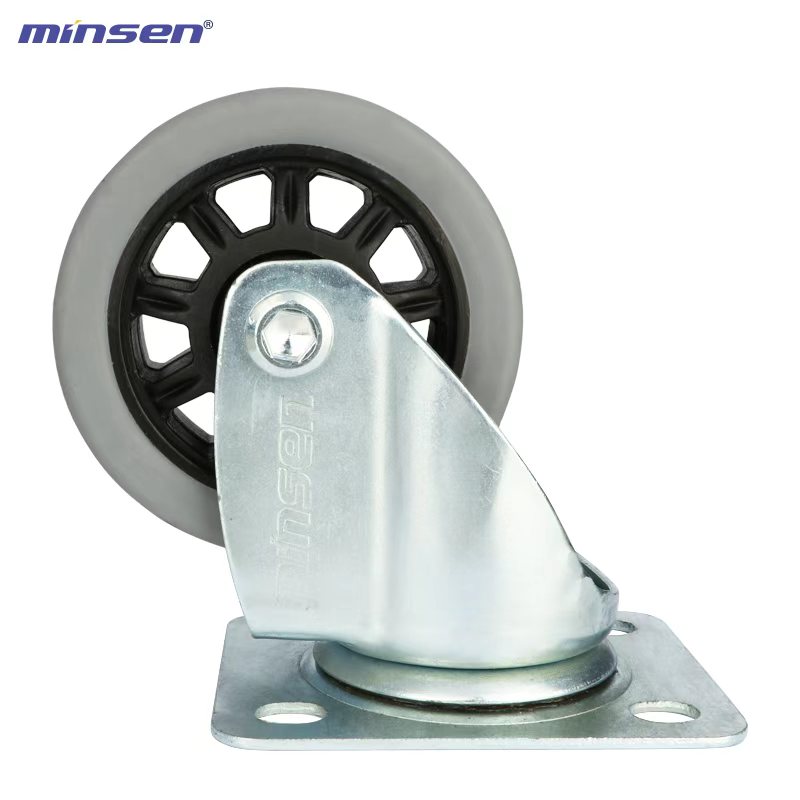
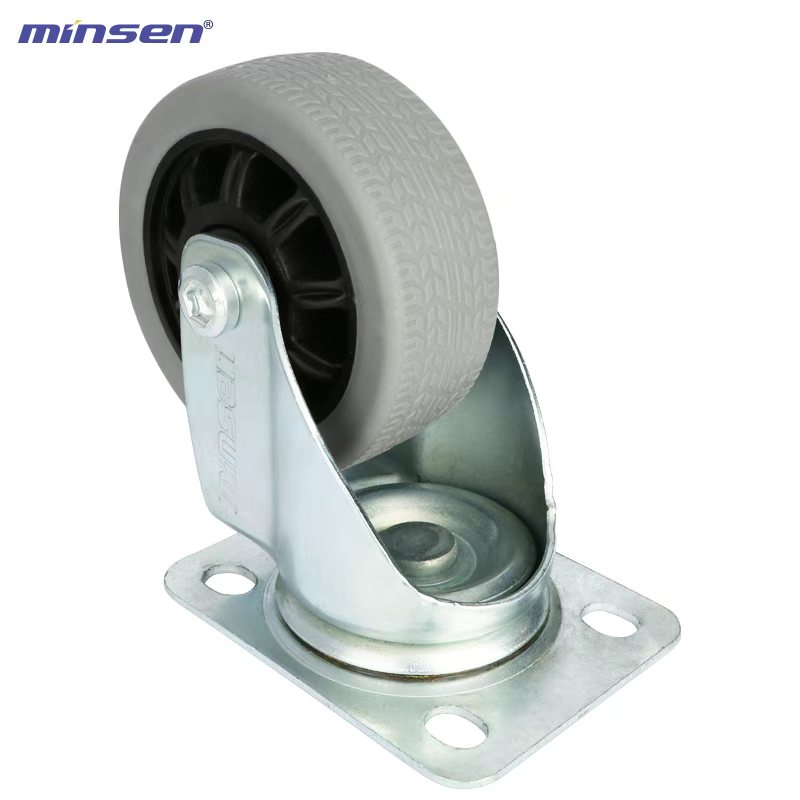
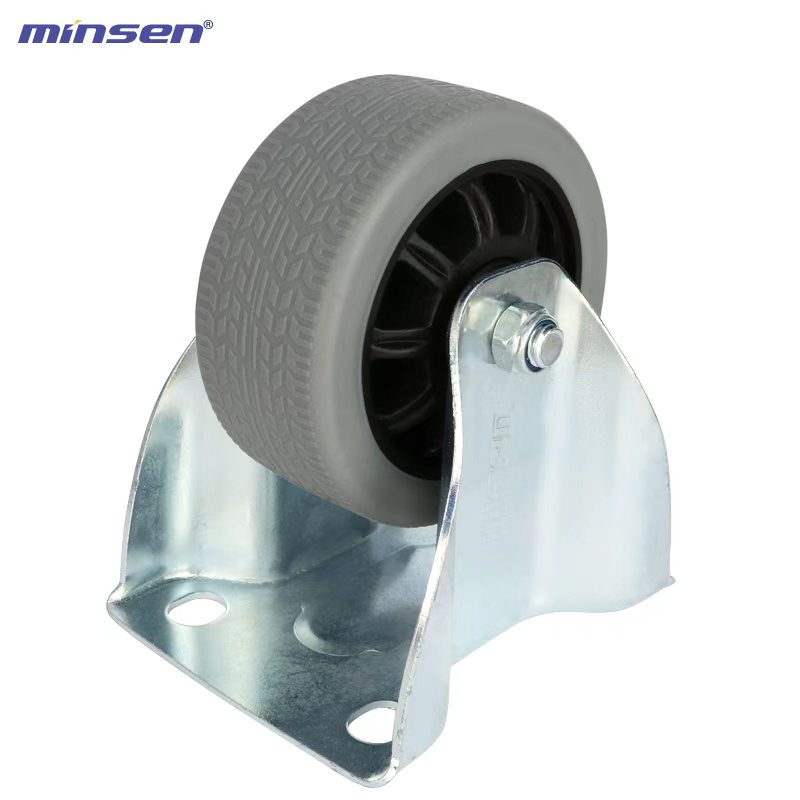
Rigid mounts only allow the wheel to move in a straight line, providing excellent directional stability for long hallways. Swivel mounts rotate 360 degrees, allowing carts to maneuver through tight corners and crowded factory floors. Most standard industrial carts use two rigid mounts in the back and two swivel mounts in the front for optimal control.
Why do some carts use dual-wheel configurations?
Dual-wheel configurations distribute massive payloads over a wider surface area. This reduces the friction on the floor and makes it much easier for operators to push or pull heavily loaded carts. They are highly recommended for loads exceeding 5,000 pounds or for carts moving over softer flooring materials.
Can I replace just the wheel instead of the entire mounting bracket?
Yes, replacing just the wheel is a cost-effective maintenance strategy if the metal mounting bracket (the rig) remains structurally sound. You simply need to measure the wheel diameter, the tread width, and the axle size to ensure you purchase a compatible replacement component.