TL;DR:
A hand trolly is a wheeled cart designed to move heavy or bulky loads with minimal physical effort. Choosing the right model depends on load capacity, workspace layout, and storage constraints. MINSEN manufactures a full range of professional-grade trolleys—from compact folding designs to heavy-duty industrial carts—built to meet the demands of warehouses, factories, and commercial facilities.
Moving goods by hand is one of the leading causes of workplace injury. Back strains, dropped loads, and slow turnaround times are problems that show up every day in warehouses, retail stockrooms, and manufacturing floors. The right material handling equipment fixes all three.
A hand trolly is one of the most cost-effective tools a facility can invest in. Simple in design but powerful in impact, these wheeled carts allow a single worker to transport loads that would otherwise require a team—or a forklift. Whether you're managing a busy distribution center or a compact retail backroom, the right trolley can transform how your team works.
This guide breaks down the different types of hand trolleys available, what to look for when choosing one, and how MINSEN's product range addresses the most common material handling challenges.
What Makes a Hand Trolly Worth the Investment?
The core value of a hand trolly lies in its mechanical advantage. By using a wheeled frame, a worker can move loads many times their body weight with far less strain. This translates directly into:
Fewer workplace injuries, particularly musculoskeletal strains
Faster load movement, reducing turnaround time per trip
Lower labor costs, since one worker can do the job of several
Better load protection, as goods are secured on a stable platform rather than carried by hand
For high-volume operations, these benefits compound quickly. A facility running dozens of trips per shift can see measurable gains in both productivity and safety within days of introducing proper trolley equipment.
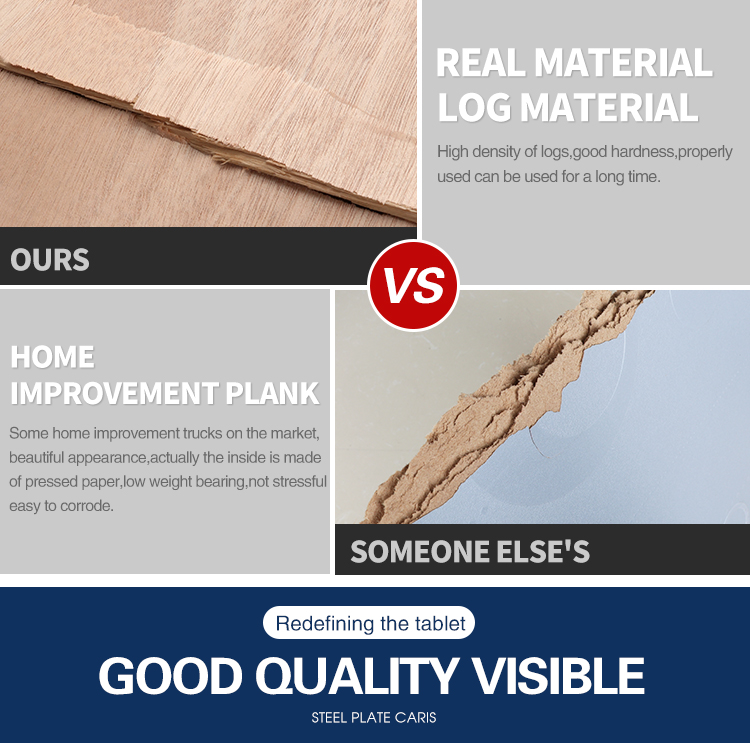
MINSEN has spent over a decade engineering trolleys that hold up under real industrial conditions. Built at an 8,000-square-meter manufacturing facility in Kaiping, China, each unit goes through strict quality control—from raw material sourcing through to final assembly and testing.
Types of Hand Trolleys and When to Use Each
Not all trolleys are built the same. The best choice depends on your specific environment, load type, and storage situation. Below is a comparison of the most common configurations:
Trolley Type | Best For | Load Capacity | Storage Footprint |
Fixed-frame L-shaped trolley | Warehouses, constant use | High (200–500 kg+) | Large |
Folding flat-bed trolley | Space-limited environments | Medium (100–300 kg) | Compact |
Platform trolley | Bulky, irregularly shaped items | Medium-High | Medium |
Roll pallet / cage trolley | Retail, distribution centers | High | Large |
Stair-climbing trolley | Multi-floor facilities | Low-Medium | Medium |
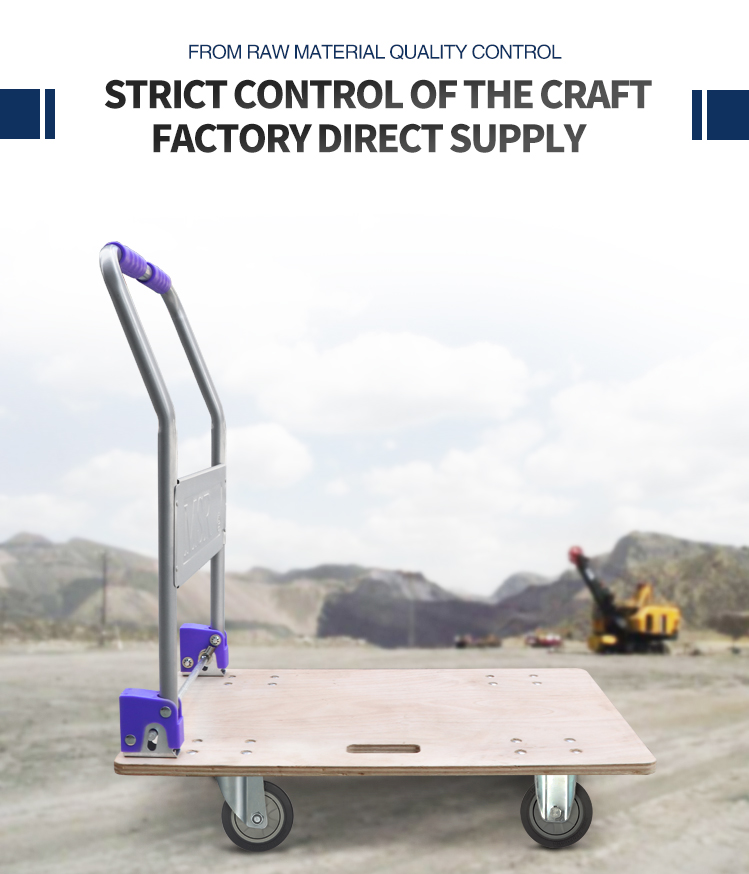
Each design serves a distinct purpose. A fixed-frame trolley handles consistent, high-volume loads well, but takes up significant floor space. A folding hand truck trolley, on the other hand, collapses flat when not in use—ideal for businesses that need flexibility without sacrificing function. MINSEN's folding flat trolley series is a strong example of this category, offering a durable steel frame with a quick-fold mechanism that fits neatly into tight storage areas.
How to Choose the Right Trolley for Your Facility
Selecting the wrong trolley is a common and costly mistake. A unit that's underpowered for the load will wear out quickly. One that's oversized for the space creates congestion. Here's what to evaluate before purchasing:
What load capacity do you actually need?
Always calculate your maximum load weight, then add a safety margin of at least 20–25%. Most manufacturers rate capacity under ideal conditions—real-world use involves uneven floors, dynamic movement, and operator variance.
What surfaces will the trolley travel on?
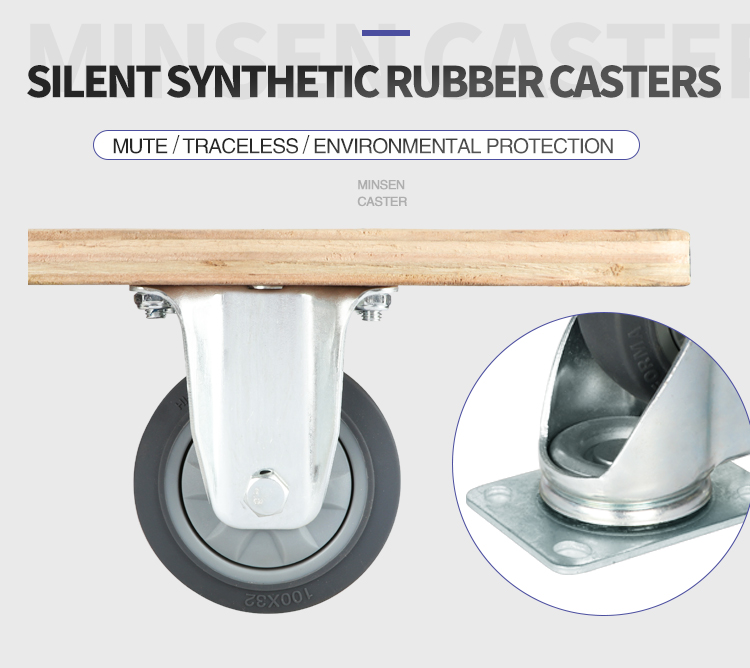
Smooth concrete, epoxy-coated floors, outdoor pavement, and rough warehouse surfaces all behave differently. The wheel material on your trolley needs to match the floor. Rubber wheels absorb vibration and protect floors; nylon wheels handle heavy loads on smooth surfaces; pneumatic wheels manage uneven terrain.
MINSEN's trolleys are fitted with purpose-selected casters from their in-house production line, ensuring that wheel and frame are engineered to work together—not simply assembled from mismatched components.
How often will the trolley be used?
Occasional use calls for a lighter, more economical unit. Daily, high-cycle use demands a heavy-duty steel frame, sealed bearings, and reinforced welds. Skimping on build quality for frequent-use applications leads to premature failure and replacement costs that far exceed the initial savings.
How much storage space do you have?
Facilities with limited floor space benefit most from collapsible designs. A folding trolley that stores flat against a wall occupies a fraction of the footprint of a fixed-frame equivalent.
Why MINSEN Trolleys Stand Out
MINSEN—formally Kaiping Mingtai Caster Manufacturing Co., Ltd.—was established in 2010 and has grown into a full-service mobility solutions manufacturer. The company produces not just trolleys, but the casters that go on them, giving MINSEN a level of vertical integration that most trolley suppliers simply don't have.
The product range of hand trucks and trolleys from MINSEN covers standard platform trolleys, folding flat trolleys, roll pallet series, and assembly carts—each designed for a specific industrial or commercial context. OEM customization is also available, allowing buyers to specify dimensions, materials, load ratings, and wheel type for applications that fall outside standard configurations.
For businesses sourcing at scale, MINSEN supplies directly from the factory, removing middleman markups and enabling competitive pricing without compromising on build quality. Fast production turnaround, a structured after-sales response process, and support for multi-spec orders make MINSEN a practical choice for procurement teams managing diverse facility needs.
Getting the Most Out of Your Trolley Equipment
Purchasing the right trolley is only part of the equation. To extend service life and maintain safe operation:
Inspect wheels and axles regularly for wear, debris buildup, or play in the bearings
Stay within rated load limits—overloading is the single most common cause of premature failure
Store folding models collapsed to reduce stress on the hinge mechanism
Train operators on correct loading posture and maneuvering technique, especially on inclines
These steps cost nothing but add significant life to your equipment and protect your workforce.
Frequently Asked Questions
What is the difference between a hand trolly and a hand truck?
A hand truck typically refers to an L-shaped, two-wheeled upright device used to tilt and roll single loads. A hand trolly (also spelled trolley) usually refers to a four-wheeled flat-bed or platform cart. Hand trucks excel at moving vertical, stacked loads; trolleys handle broader, heavier, or flat-profile cargo more effectively.
How much weight can a standard hand trolly carry?
Load capacity varies significantly by model. Light-duty trolleys typically handle 100–150 kg. Medium-duty units manage 200–350 kg. Heavy-duty and industrial platform trolleys can carry 500 kg or more. Always verify the rated capacity against your actual maximum load before purchasing.
Are folding trolleys as durable as fixed-frame trolleys?
A well-engineered folding trolley—such as those in MINSEN's folding flat trolley series—uses reinforced hinge points and heavy-gauge steel frames that perform comparably to fixed models under moderate loads. For sustained heavy-duty use, however, a fixed-frame trolley is generally more robust.
Can MINSEN trolleys be customized for specific industrial applications?
Yes. MINSEN offers OEM and ODM services, allowing buyers to specify frame dimensions, materials, caster type, load capacity, and finish. Contact the MINSEN sales team directly to discuss custom requirements.
What wheel type is best for warehouse trolleys?
For smooth concrete floors, TPR (thermoplastic rubber) or polyurethane wheels offer a good balance of load capacity, floor protection, and noise reduction. For rougher surfaces or outdoor use, pneumatic wheels provide better shock absorption. MINSEN manufactures casters in-house across all major wheel materials, ensuring compatibility with their trolley frames.
The Right Trolley Pays for Itself Quickly
Material handling isn't glamorous, but it's foundational. Every minute a worker spends struggling with an awkward load, recovering from a strain, or making extra trips is time and money that doesn't need to be spent.
Choosing the right trolley—sized correctly, built from quality materials, and matched to your floor and load conditions—is one of the highest-return equipment decisions a facility manager can make. MINSEN's range of trolleys and hand carts, backed by over a decade of manufacturing expertise and in-house caster production, gives procurement teams a reliable starting point.
Explore MINSEN's full trolley range at kpminsencasters.com, or contact the team directly to discuss custom configurations for your facility.