Quick answer:
Selecting the right mobility hardware involves calculating the total payload capacity, evaluating the floor surface, and understanding environmental factors like extreme temperatures. Facility managers should divide the maximum cart weight by the number of wheels minus one to ensure safe load distribution and prevent workplace injuries.
Moving heavy equipment across a warehouse floor is a critical task for any manufacturing business. The hardware attached to the bottom of your transport equipment dictates how smoothly and safely your daily operations run. Choosing incorrect components can quickly lead to damaged floors, excessive noise, and serious workplace injuries.
Upgrading your mobility hardware is a straightforward way to improve operational efficiency. Many warehouse managers overlook the importance of these small components until a failure occurs. However, proactively upgrading your hardware ensures that your workforce can transport heavy loads with minimal physical strain.
Kaiping Mingtai Caster Manufacturing Co., Ltd. (MINSEN) has produced high-quality mobility solutions since 2010. By understanding the core principles of load capacity, material selection, and environmental resistance, you can keep your facility running smoothly. This guide explores exactly what you need to know before upgrading your equipment.
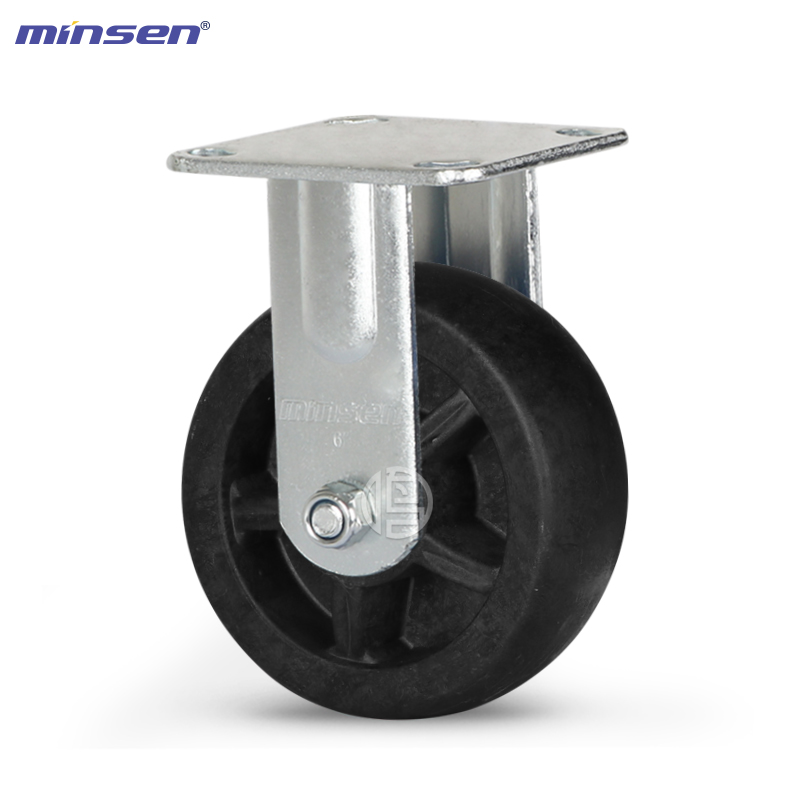
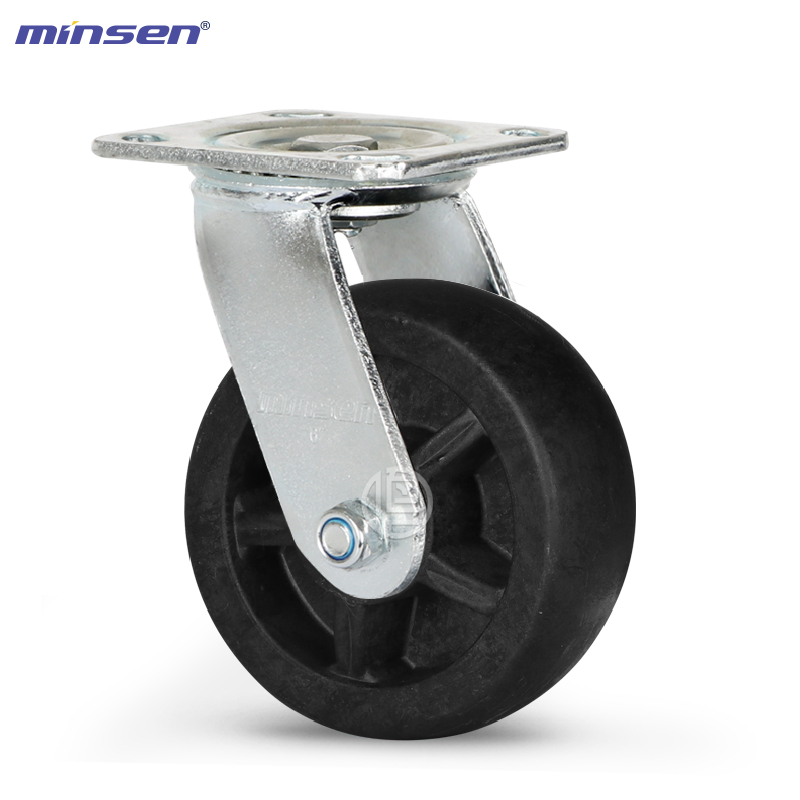
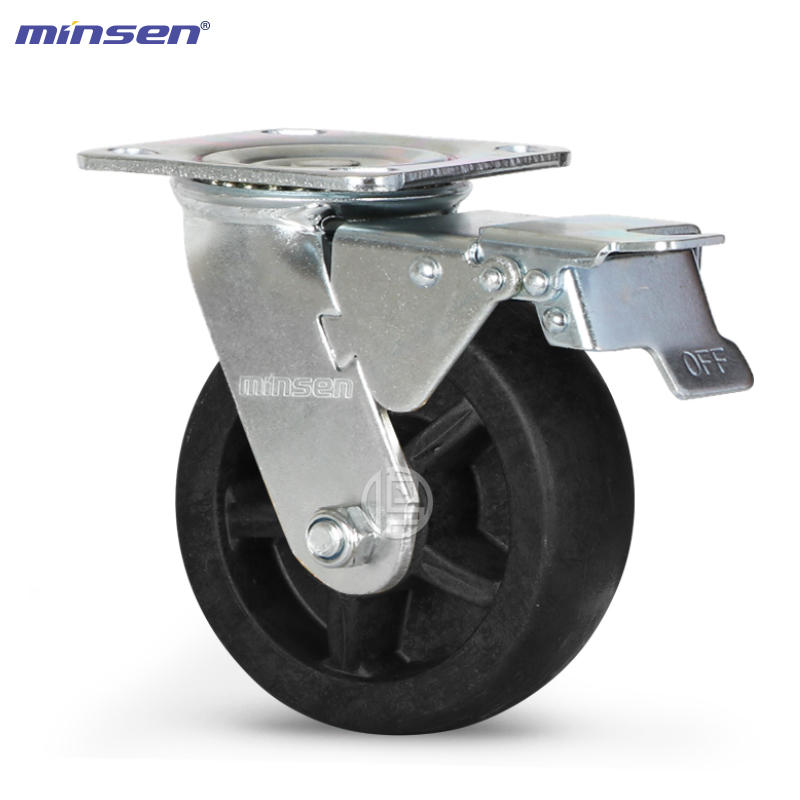
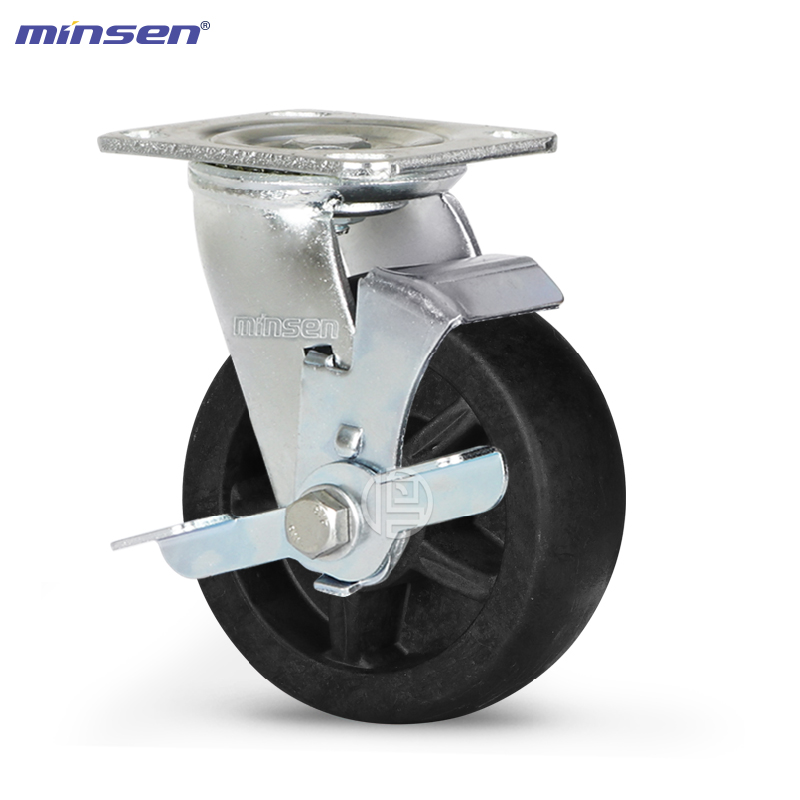
What are the main types of mobility hardware?
Understanding the different categories of mobility hardware helps you narrow down your choices based on your specific operational needs. Different applications require entirely different structural designs and wheel materials.
Standard mobility solutions
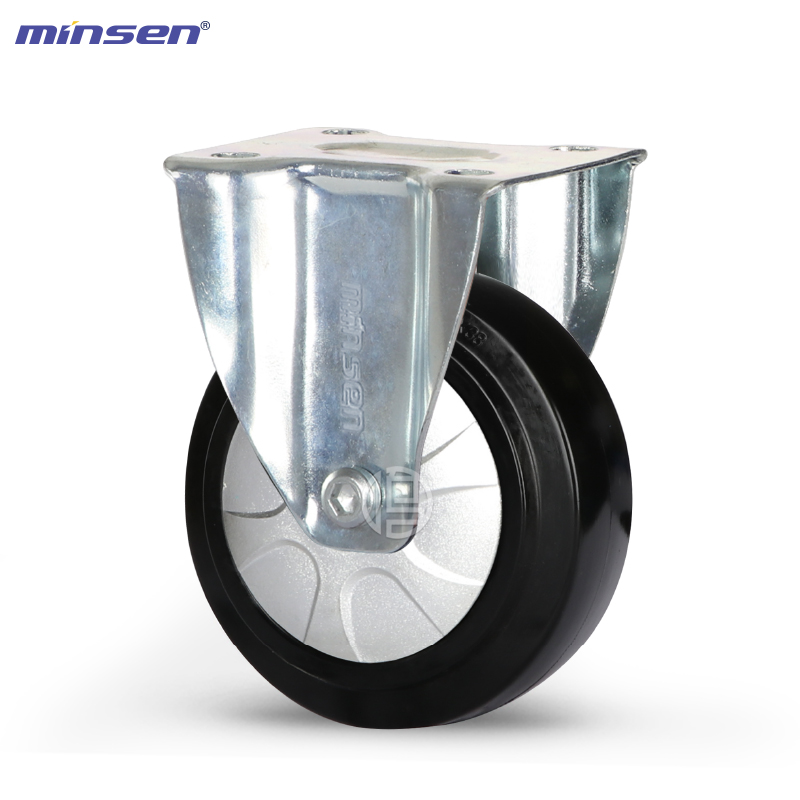
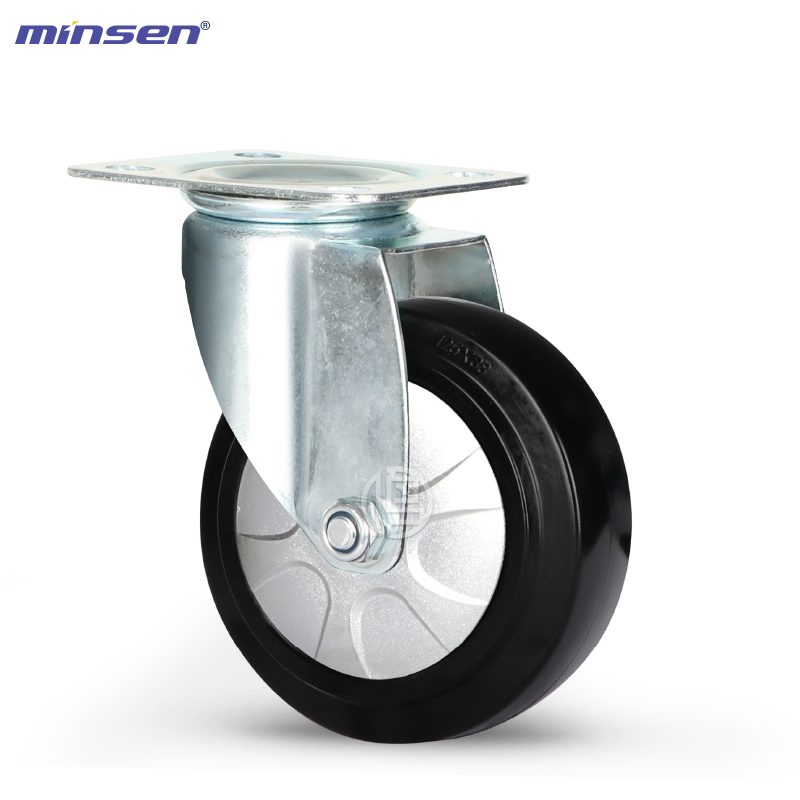
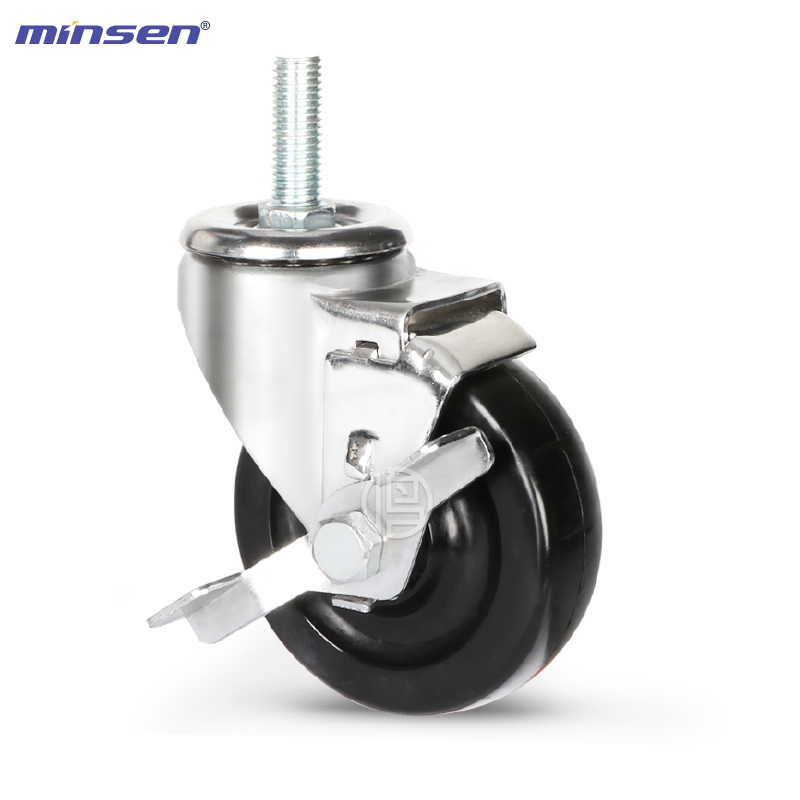
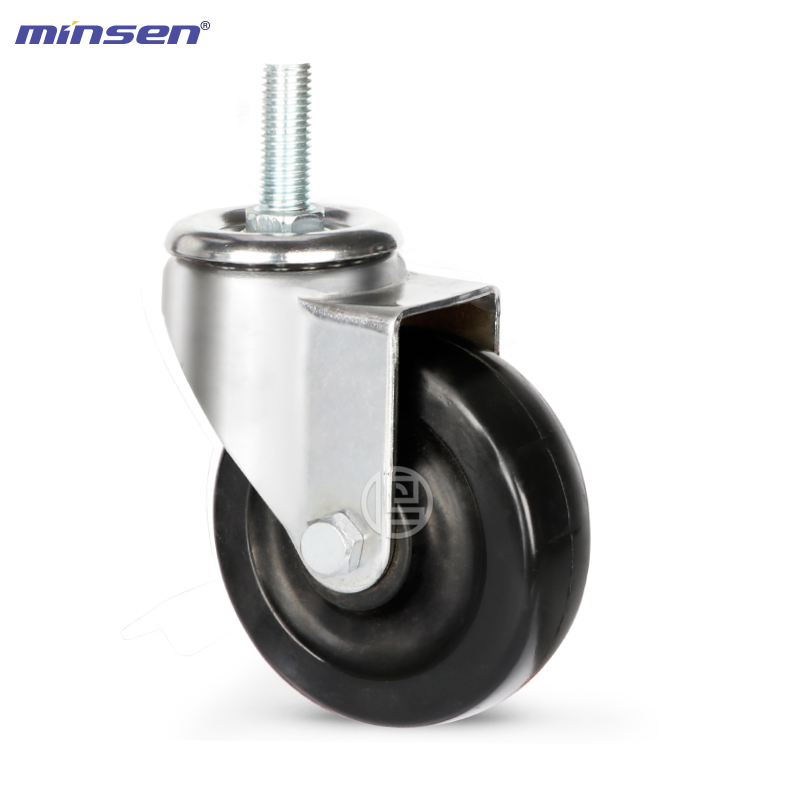
For general warehouse tasks, standard hardware provides a balance of cost and performance. These options usually feature nylon or polyurethane wheels. They are ideal for moving standard pallets and light-duty material carts across smooth concrete floors. If you need standard industrial caster wheels for everyday tasks, look for options with sealed bearings to keep dust and debris out of the rotation mechanism.
Heavy-load applications
When your facility processes massive steel parts or large liquid containers, standard options will fail. Hardware designed for massive weights features thick steel forks, double ball bearing raceways, and reinforced axles. Upgrading to specialized heavy duty cart wheels ensures that your transport carts will not collapse under extreme pressure. These robust options also reduce the initial push force required by workers, lowering the risk of musculoskeletal injuries.
Specialized environments
Some facilities operate under unique conditions that destroy standard rubber or plastic. Bakeries, foundries, and medical sterilization rooms require wheels that can withstand intense heat or harsh chemicals. For these situations, manufacturers offer custom heavy duty casters tailored to specific challenges, such as high-temperature phenolic wheels or antistatic conductive models.
How do you calculate load capacity accurately?
The most critical step in selecting mobility hardware is determining the required load capacity. A common mistake is simply dividing the total weight of the cart and its contents by four.
Floors are rarely perfectly flat. When a cart rolls over uneven surfaces, debris, or threshold gaps, one wheel often lifts off the ground. This forces the remaining three wheels to support the entire load.
To calculate the correct minimum load rating per wheel, use this formula:
(Weight of the cart + Maximum weight of the load) ÷ 3
Common load capacity guidelines
The table below outlines typical payload capacities and the recommended hardware class for different industrial applications.
Application Type | Total Payload Weight (lbs) | Recommended Hardware Class | Typical Wheel Material |
Hotel Service Carts | Under 500 | Light Duty | TPR / Gray Rubber |
Retail Platform Trucks | 500 to 1,500 | Medium Duty | Polyurethane |
Manufacturing Assembly | 1,500 to 3,500 | Heavy Duty | Cast Iron / Nylon |
Aerospace Transport | Over 3,500 | Extra Heavy Duty | Forged Steel |
What environmental factors affect performance?
Even the strongest steel fork will fail if the wheel material degrades due to environmental exposure. Facility managers must evaluate the specific conditions where the equipment will operate.
Floor protection and surface types
Hard wheels, like forged steel or cast iron, roll very easily under heavy loads. However, they will quickly destroy tile, linoleum, or painted epoxy floors. If floor protection is a priority, choose softer materials like Thermoplastic Rubber (TPR) or high-elasticity polyurethane. Soft wheels also absorb shock and reduce noise, creating a safer and quieter work environment.
Temperature and chemical exposure
Standard rubber and plastic melt in high-heat environments like industrial ovens. Conversely, they can become brittle and crack in industrial freezers. Always verify the operating temperature range with your supplier. Additionally, if your facility uses harsh cleaning chemicals, animal fats, or petroleum-based oils, you need materials like nylon or stainless steel that resist chemical degradation.
Upgrade your facility's mobility equipment today
Choosing the correct mobility hardware keeps your workforce safe and your operations efficient. By accurately calculating load capacities, assessing your floor types, and accounting for environmental hazards, you can eliminate premature equipment failure.
MINSEN offers a comprehensive range of mobility solutions, from light-duty TPR wheels to extra heavy-duty forged steel models. Their 8,000-square-meter facility guarantees strict quality control from raw materials to the finished product. Review your current carts today and contact a trusted supplier to upgrade your hardware before a critical failure disrupts your workflow.
Frequently asked questions
What is the difference between swivel and rigid hardware?
Swivel hardware rotates 360 degrees, allowing carts to turn corners and maneuver in tight spaces. Rigid hardware only moves in a straight line forward and backward. Most industrial carts use two swivel components at the steering end and two rigid components at the rear for optimal control.
Why do my transport carts vibrate loudly?
Excessive vibration and noise usually occur when the wheel material is too hard for the floor surface, or when the bearings are worn out. Switching to shock-absorbing hardware or softer materials like high-elastic rubber will drastically reduce noise and protect delicate cargo.
How often should facility managers inspect transport carts?
Facility managers should perform visual inspections monthly and conduct comprehensive maintenance every six months. Maintenance includes checking for flat spots on the tread, removing debris tangled in the axles, and applying fresh grease to the ball bearings.
Can I replace just one broken wheel on a cart?
It is strongly recommended to replace all four wheels simultaneously. Mixing new components with worn ones creates an uneven base, which compromises load distribution and increases the risk of the cart tipping over.