Mobility is the backbone of any efficient warehouse, factory, or commercial space. When a cart rolls smoothly, workers move faster, floors stay protected, and equipment lasts longer. When it doesn't, the ripple effects are immediate—slower operations, damaged surfaces, and escalating maintenance costs.
At the center of it all sits one often-overlooked component: the caster wheel. Choosing the right industrial caster wheels is not just a procurement decision—it's an operational one. The wrong choice can compromise load safety, accelerate floor wear, and create unnecessary downtime. The right choice keeps everything moving exactly as it should.
This guide breaks down the key factors involved in selecting caster wheels for industrial and commercial environments, and explains how MINSEN Casters delivers the performance and reliability that demanding applications require.
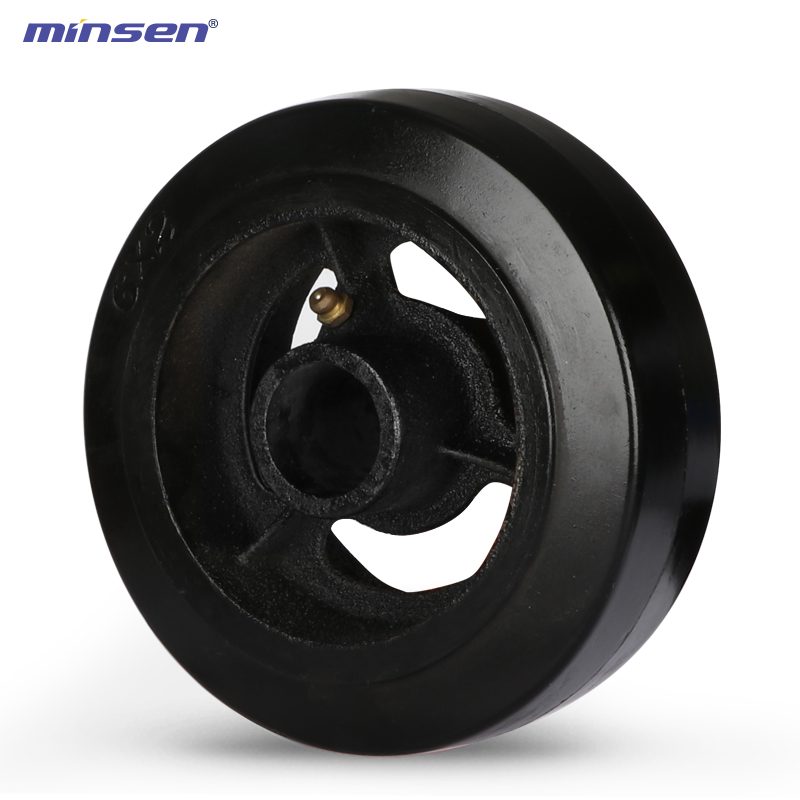
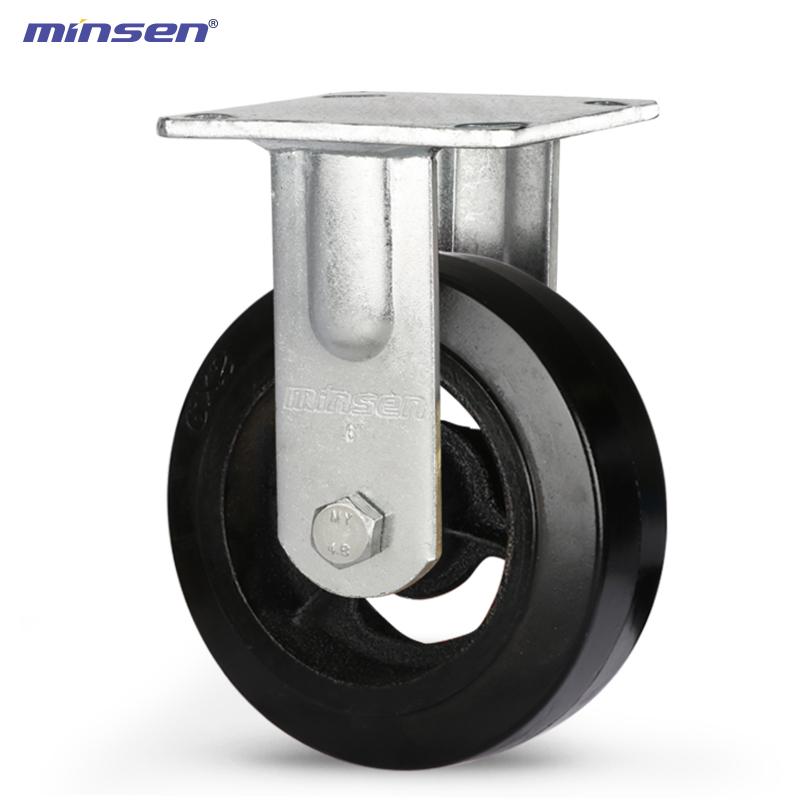
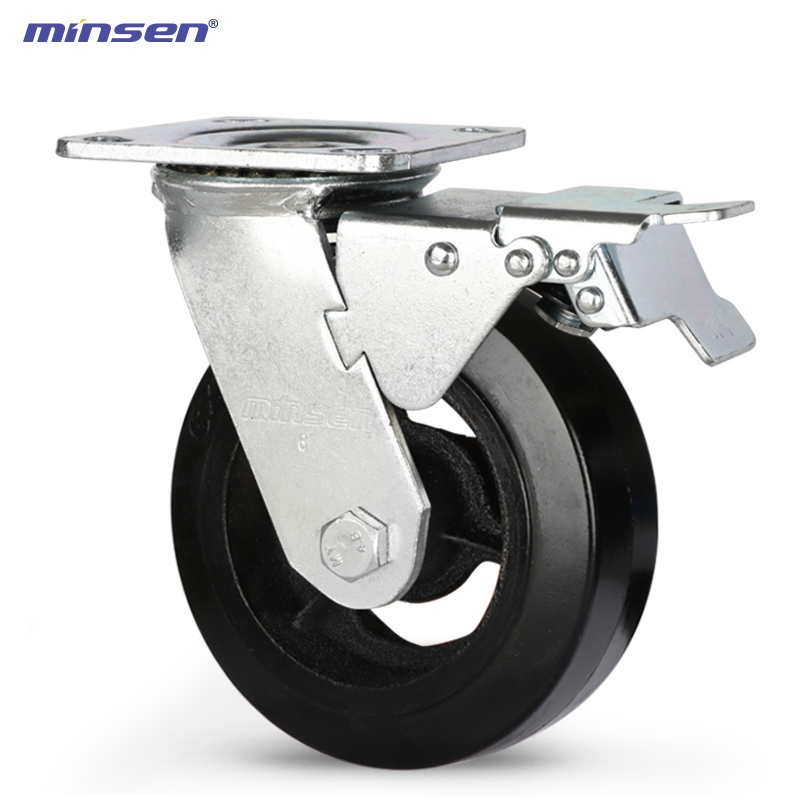
Why Wheel Material Directly Impacts Performance
Caster wheel material is one of the most consequential choices in any mobility setup. Different materials behave very differently across load types, floor surfaces, and environmental conditions.
Rubber wheels offer strong grip and floor protection but tend to wear faster under heavy loads. Polyurethane (PU) wheels are harder and more durable, making them well-suited for medium-to-heavy loads on smooth concrete. Nylon wheels handle high temperatures and chemical exposure but can be harsh on softer floors.
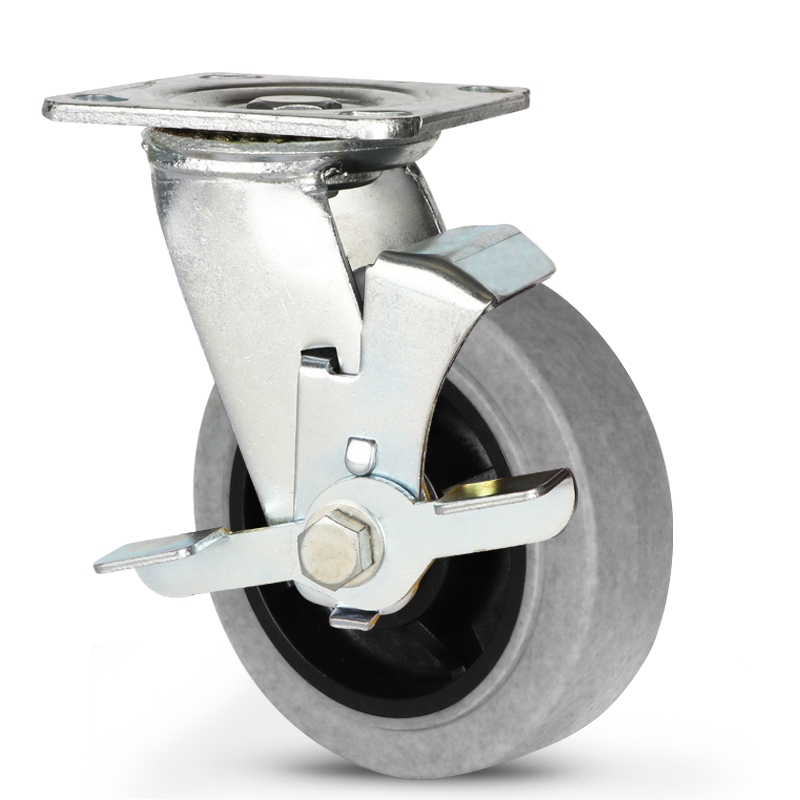
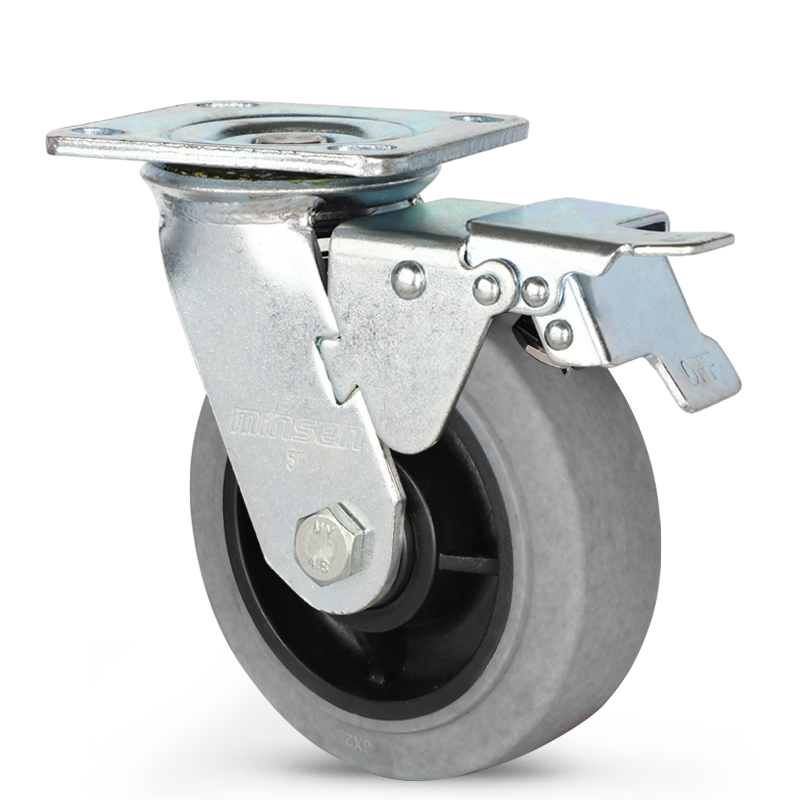
Then there's TPR—thermoplastic rubber. TPR wheels occupy a useful middle ground: they combine the floor-friendly softness of rubber with better durability and load tolerance. They're non-marking, making them a popular choice for indoor environments where floor aesthetics matter. TPR is particularly common in retail, hospitality, and light manufacturing applications where quiet operation and surface protection are both priorities.
Understanding which material fits your application isn't just about performance—it's about cost-efficiency over time. A wheel that wears prematurely means more frequent replacements, more labor, and more unplanned downtime.
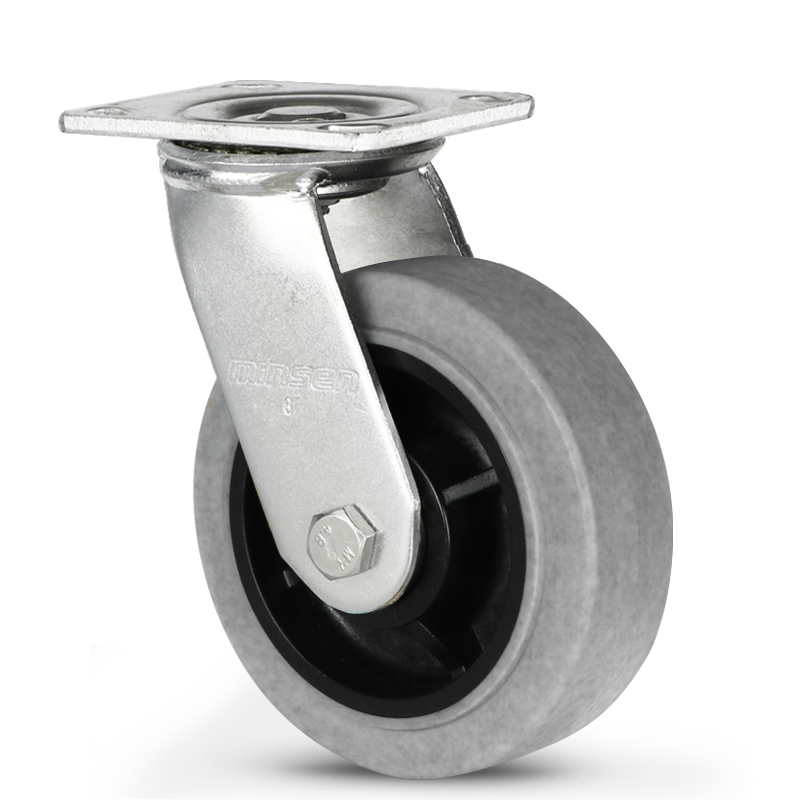
Comparing Common Caster Wheel Materials
The table below summarizes how the most widely used caster wheel materials stack up across key performance factors:
Wheel Material | Load Capacity | Floor Friendliness | Noise Level | Durability | Best For |
TPR | Medium | High | Low | Medium-High | Indoor, retail, hospitality |
Polyurethane (PU) | Medium-High | Medium | Low-Medium | High | Warehouses, smooth floors |
Rubber | Medium | High | Low | Medium | General indoor use |
Nylon | High | Low | Medium-High | Very High | Chemical/high-temp environments |
Cast Iron | Very High | Very Low | High | Excellent | Heavy industrial, foundries |
Phenolic Resin | High | Low | Medium | High | High-temp manufacturing |
This comparison is a starting point. Real-world selection also depends on swivel configuration, bracket material, braking requirements, and the specific conditions of your facility.
Choosing the Right Load Rating for Your Application
Load rating is the most critical specification to get right. Undersizing a caster leads to premature failure, safety incidents, and costly replacements. Oversizing wastes budget and can introduce unnecessary weight or rolling resistance.
A general rule: calculate the total load weight, divide by the number of casters supporting it, and apply a safety factor of 1.3 to 1.5. For static loads or uneven floor conditions, lean toward the higher end of that range.
For applications that push beyond standard weight limits—think heavy manufacturing equipment, automotive assembly lines, or industrial storage systems—heavy duty casters are the appropriate category. These units are engineered with reinforced brackets, larger wheel diameters, and precision ball bearings to handle sustained, high-stress loads without degradation. MINSEN's Heavy Duty Series covers a range of load capacities, with options for swivel, fixed, and brake configurations to suit different industrial requirements.
Key Factors to Evaluate Before Purchasing
Beyond material and load rating, several variables determine whether a caster performs well in your specific environment:
Floor type: Smooth epoxy, rough concrete, and tiled surfaces each call for different wheel hardness and tread profiles. Softer wheels protect delicate floors; harder wheels hold up better on rough surfaces.
Temperature range: Standard casters operate well in typical ambient conditions. Environments with exposure to heat—ovens, foundries, powder-coating lines—require high-temperature resistant materials such as phenolic resin or cast iron.
Chemical exposure: Facilities that regularly use cleaning agents, oils, or solvents should choose wheels with appropriate chemical resistance. Polyurethane and nylon tend to perform well here.
Swivel vs. fixed: Swivel casters allow multidirectional movement, ideal for tight spaces. Fixed casters roll in a straight line, offering better directional stability. Most carts use a combination of both.
Braking requirements: If equipment needs to remain stationary during loading, unloading, or operation, a total-lock or directional-lock brake is essential.
Why MINSEN Casters Is a Trusted Industrial Supplier
Founded in 2010, Kaiping Mingtai Caster Manufacturing Co., Ltd.—operating under the MINSEN brand—has built its reputation on precision manufacturing and consistent quality. The 8,000-square-meter facility in Kaiping, Guangdong integrates hardware stamping, rubber processing, and large-scale injection molding under one roof. That structure gives MINSEN full control over every stage of production, which translates directly into tighter tolerances, faster quality checks, and more responsive customization—without the price inflation that comes from working through distributors.
MINSEN supplies casters across a wide range of categories: universal casters, specialty casters, medical-grade models, antistatic and conductive casters, high-temperature resistant series, and more. For buyers with specific requirements, the company also accepts OEM and custom orders, with a structured process covering everything from initial requirements communication to post-delivery support.
Every caster that leaves the MINSEN factory goes through multi-point testing for wear resistance, load capacity, and rotational performance. The result is a product built to hold up under real-world conditions—not just controlled lab settings.
Getting the Selection Right
Caster selection is more precise than it might appear. The right wheel in the wrong environment fails just as quickly as a cheap one. Material, load rating, floor compatibility, temperature tolerance, and braking requirements all interact—and getting the combination wrong costs more than the price of the caster itself.
MINSEN's product range covers the full spectrum of these requirements, from light indoor applications to demanding industrial deployments. Whether you're specifying casters for a new facility or replacing worn components in an existing operation, MINSEN offers proven, factory-direct options across every major category.