Quick answer:
Stainless steel casters resist rust, chemicals, and moisture, making them ideal for food plants, hospitals, and washdown areas. They pair well with fixed casters for stability and TPR wheels for quiet, floor-friendly movement. Choosing the right combination depends on your load, floor type, and cleaning routine.
Wet floors, harsh cleaning agents, and constant washdowns destroy ordinary mobility hardware fast. If your facility runs in a food processing line, a hospital ward, or a chemical-heavy environment, the wheels under your carts matter more than you might think. The wrong material rusts, seizes up, and forces costly replacements every few months.
This guide breaks down how to pick corrosion-resistant mobility hardware that lasts. You'll learn which materials handle moisture best, when to combine swivel and non-swivel options for stability, and how wheel material affects noise and floor protection. By the end, you'll know how to spec hardware that survives the toughest environments.
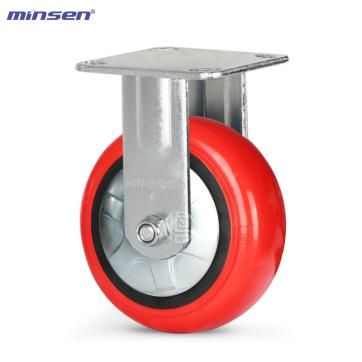
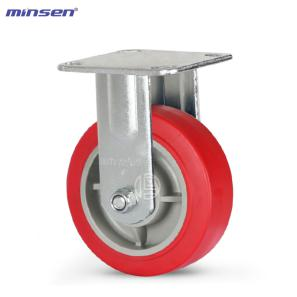
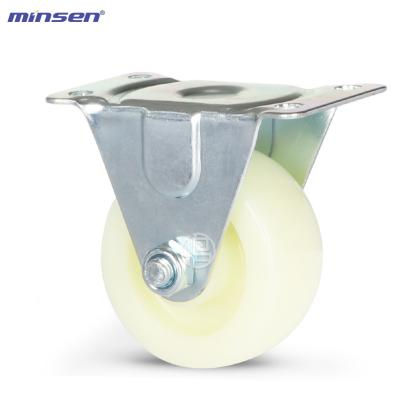
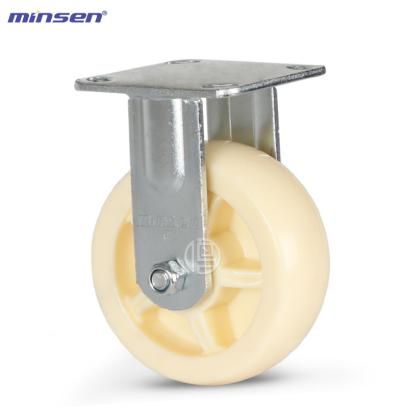
Why does corrosion resistance matter so much in wet environments?
Standard zinc-plated or carbon steel hardware corrodes when exposed to water, salt, and cleaning chemicals. Once rust sets in, bearings stiffen, swivel sections lock up, and the whole unit becomes a hazard.
Stainless steel casters solve this problem at the source. The chromium content in stainless steel forms a passive layer that blocks oxidation, even after repeated exposure to water and detergents. That means longer service life and fewer unexpected failures.
Facilities that switch to corrosion-resistant hardware often report sharp drops in replacement costs. Instead of swapping rusted units every quarter, they get years of reliable service from a single set.
Which industries benefit most from rust-proof mobility hardware?
Some environments punish equipment harder than others. The following sectors see the biggest payoff from durable, corrosion-resistant designs:
Food and beverage processing: Daily washdowns and food-safe standards demand hardware that won't rust or trap bacteria.
Healthcare and pharmaceuticals: Sterile environments require clean, smooth-rolling equipment that handles frequent disinfection.
Chemical and laboratory settings: Exposure to acids and solvents calls for materials that resist chemical attack.
Marine and outdoor use: Salt air accelerates corrosion, so rust-proof construction is essential.
In each case, the hardware needs to survive moisture without losing performance.
How do you balance maneuverability with stability?
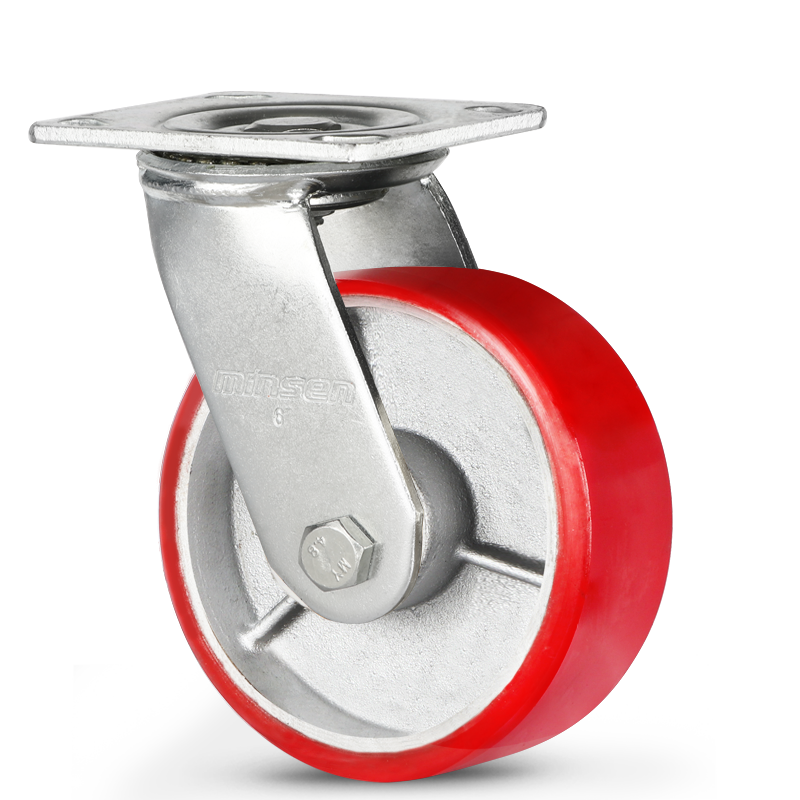
A common mistake is fitting every cart with all-swivel wheels. While swivel units turn easily, four of them can make a loaded cart wander and feel unstable.
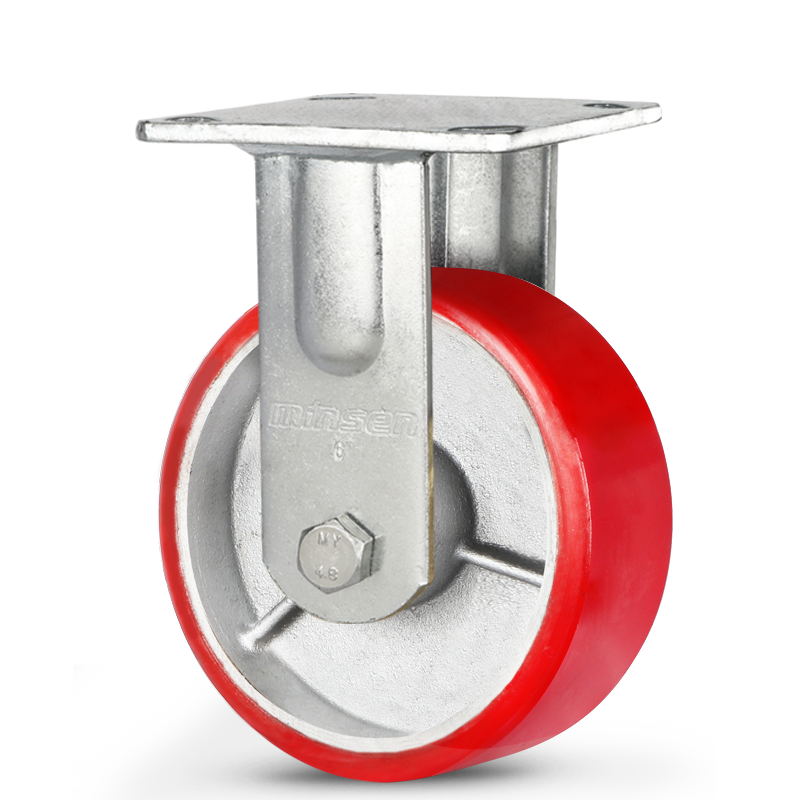
The fix is mixing swivel and fixed casters. A typical setup uses two swivel units at one end and two non-swivel units at the other. This gives you smooth turning plus straight-line tracking, which is safer and easier to control under heavy loads.
Here's a quick comparison of common configurations:
Configuration | Maneuverability | Stability | Best Use Case |
All swivel | Excellent | Low | Tight spaces, light loads |
Two swivel, two fixed | Good | High | General industrial carts |
All fixed | Poor | Very high | Straight-line conveyor runs |
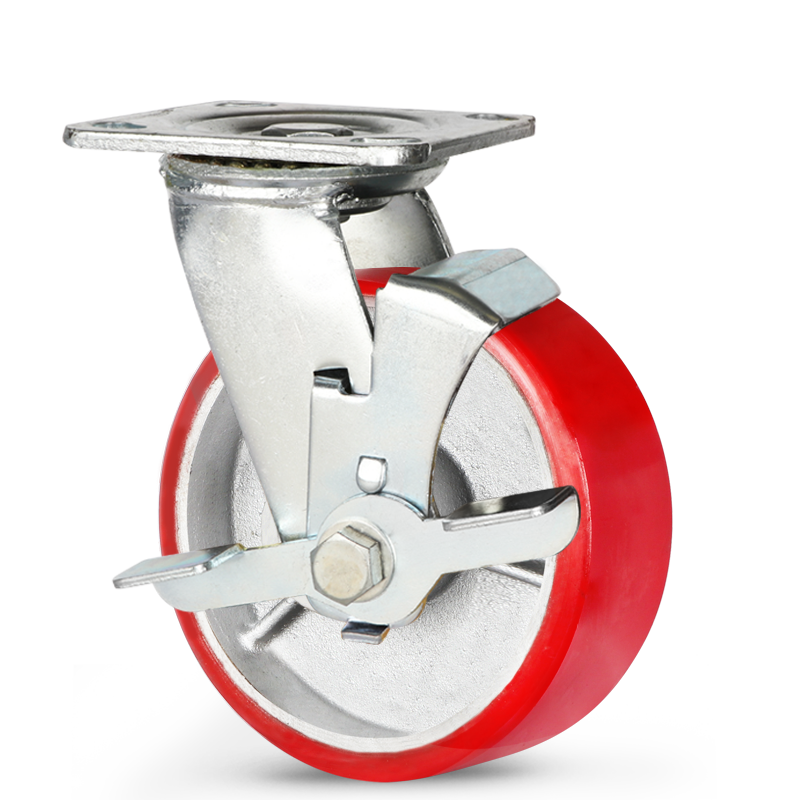
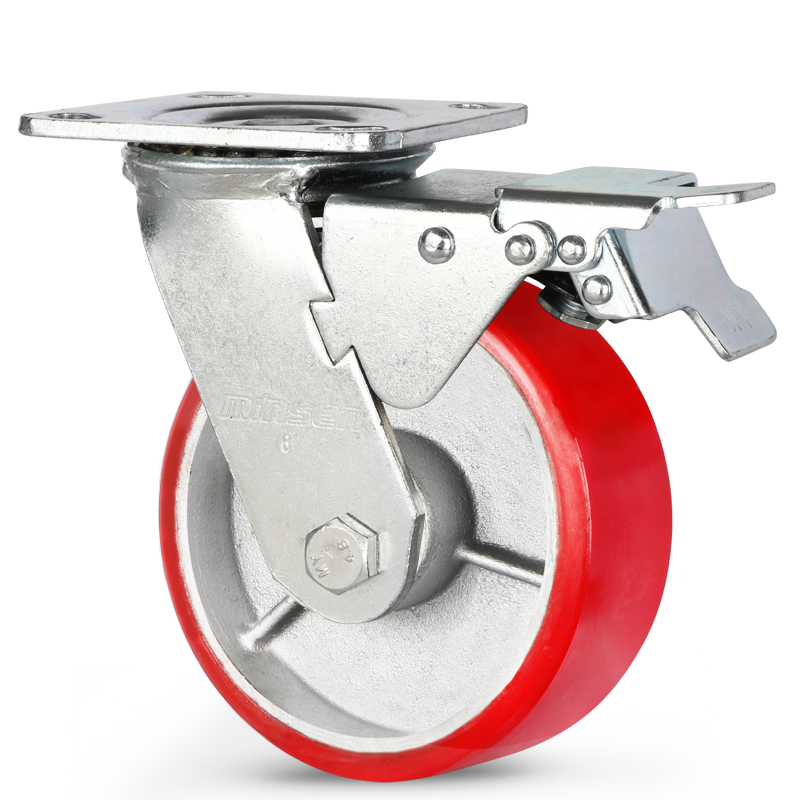
Swivel with brakes | Good | Adjustable | Workstations needing lock-in-place |
For most facilities, the two-swivel, two-fixed layout offers the best balance of control and ease of movement.
What wheel material works best for quiet, floor-friendly movement?
The frame material protects against rust, but the wheel tread determines noise levels and floor wear. Hard wheels roll easily but transmit vibration and can damage delicate flooring.
Softer tread materials like TPR wheels absorb shock, run quietly, and protect finished floors. They grip well on smooth surfaces without leaving marks, which makes them a strong choice for hospitals, hotels, and clean production areas.
When picking tread material, weigh these factors:
Floor type: Soft treads protect tile and epoxy; hard treads suit rough concrete.
Noise tolerance: Quieter wheels matter in patient areas and offices.
Load weight: Heavier loads may need firmer treads to avoid flat spots.
Choose softer tread material if floor protection and quiet operation matter more than raw load capacity. Choose firmer material if you're moving very heavy equipment across rough surfaces.
How to calculate the right load capacity
Picking the correct load rating keeps your equipment safe. The standard method is simple: divide the total weight of the loaded cart by the number of wheels minus one. This accounts for uneven floors where one wheel may briefly lose contact.
For example, a 1,000-pound cart on four wheels should use units rated for at least 333 pounds each (1,000 ÷ 3). Building in this safety margin prevents premature wear and reduces the risk of failure under shock loads.
Always round up to the next available rating. Underrating leads to flat spots, bearing damage, and early replacement.
Making the right choice for your facility
Corrosion-resistant mobility hardware pays for itself through longer service life and fewer breakdowns. Start by identifying your environment's main threat—moisture, chemicals, or heat—then match the frame material accordingly. Add the right wheel tread for your floors, balance swivel and non-swivel units for control, and size everything to your actual load.
If you're unsure which combination fits your operation, request samples and test them in your real working conditions before committing to a bulk order. The right setup keeps your facility moving safely for years.
Frequently asked questions
How much do corrosion-resistant casters cost compared to standard ones?
Rust-proof hardware usually costs more upfront than zinc-plated alternatives. However, the longer service life in wet or chemical environments often makes the total cost of ownership lower, since you replace them far less often.
How long do they last in washdown environments?
With proper sizing and regular cleaning, quality corrosion-resistant hardware can last several years in daily washdown settings, compared to just a few months for standard zinc-plated units that rust quickly.
Can I mix different wheel materials on the same cart?
It's best to use the same wheel material across one cart to keep rolling height and performance consistent. Mixing materials can cause uneven wear and make the cart harder to push.
What's the difference between swivel and fixed units?
Swivel units rotate 360 degrees for easy turning, while fixed units only roll straight. Combining both gives you maneuverability and stable tracking, which is safer for heavy loads.
Who should I contact to order custom configurations?
For custom sizes, materials, or load ratings, contact a manufacturer directly. Suppliers like MINSEN offer OEM services and can tailor hardware to your facility's specific environment and load needs.