Anyone who has watched a loaded cart buckle under weight knows the damage isn't just physical. A single wheel failure can halt production, damage inventory, and put workers at risk. Choosing the right heavy duty casters isn't a minor procurement detail — it's a decision that affects safety, efficiency, and the lifespan of your equipment.
Warehouses, manufacturing floors, hospitals, and logistics hubs all rely on mobility equipment that can carry serious weight without breaking down. But not every caster marketed as "heavy duty" actually performs like one. Load ratings, materials, wheel diameter, and bearing type all play a role in determining whether a caster will hold up under real working conditions or fail within months.
This guide breaks down what actually makes a caster suitable for heavy loads, the trade-offs between different wheel materials, and how to match the right caster to your specific application.
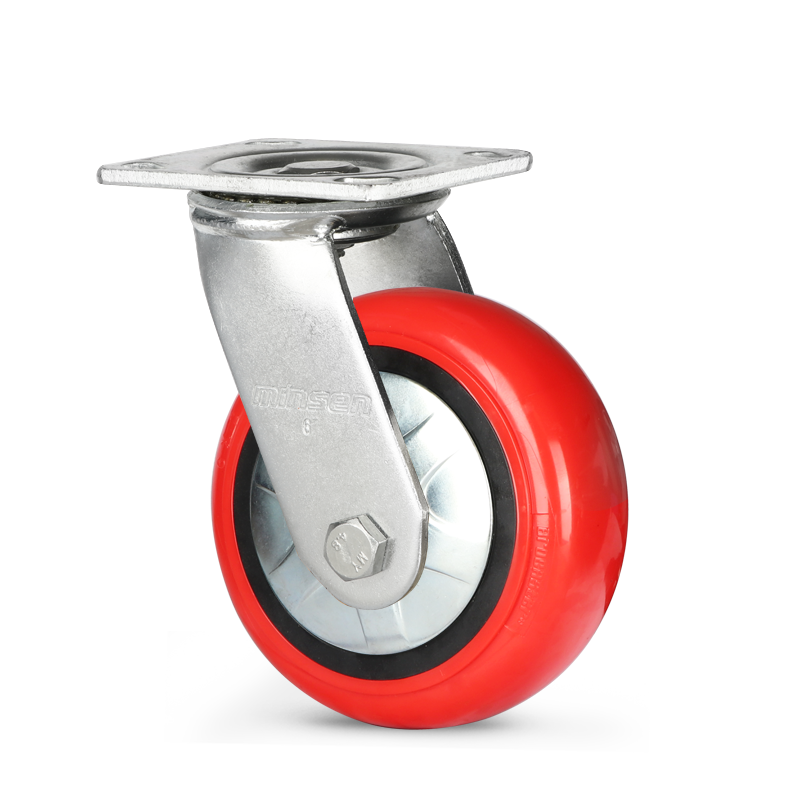
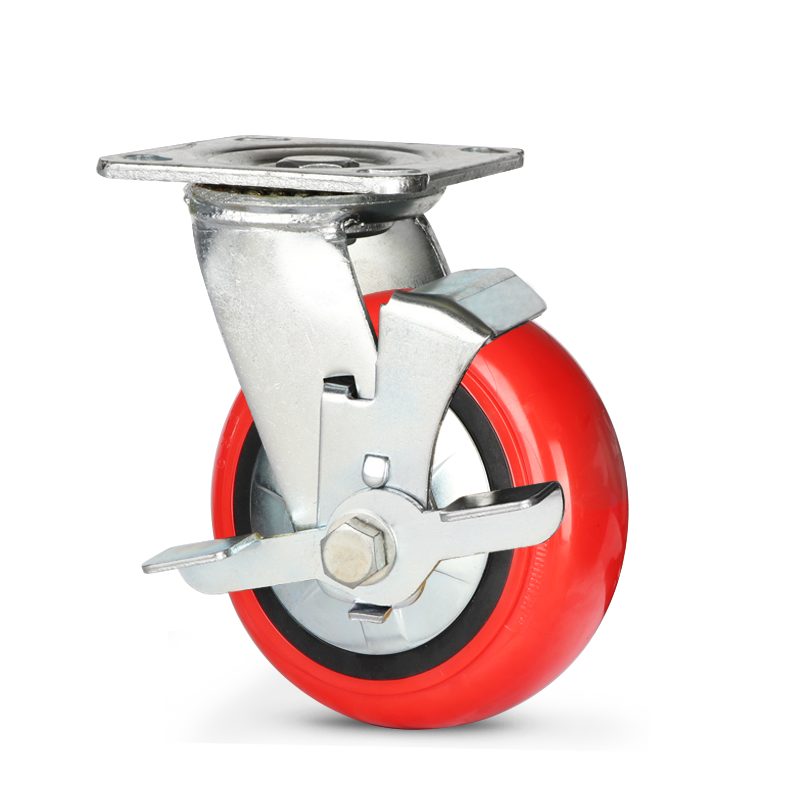
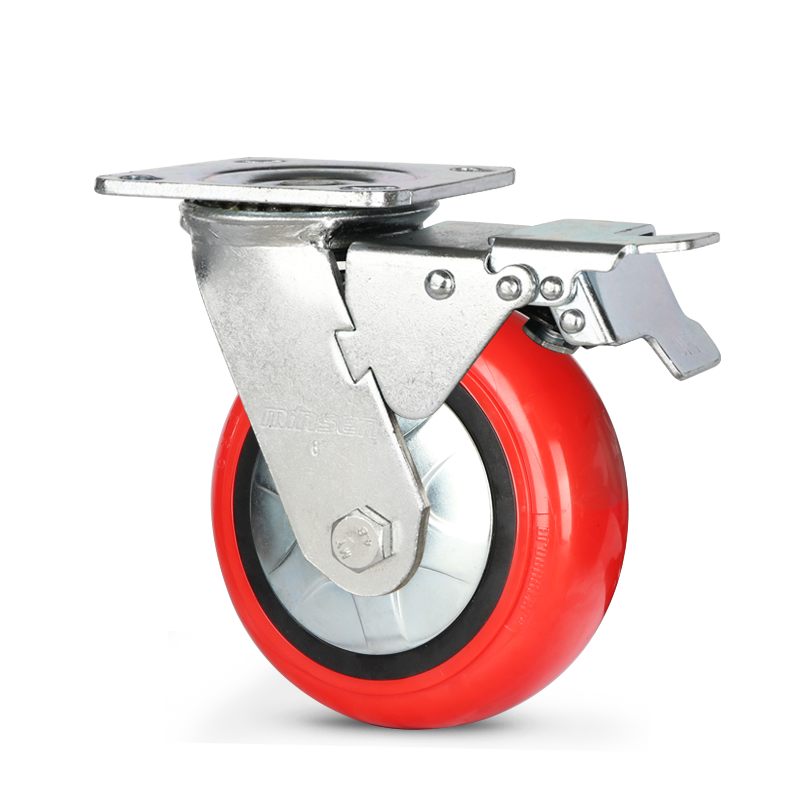
What Makes a Caster Suitable for Heavy Loads?
A caster's ability to handle weight comes down to four factors working together: load capacity, wheel material, bearing type, and mounting strength.
Load capacity is the most obvious factor, but it's often misunderstood. Manufacturers typically list load ratings per caster, not per set. A cart with four casters rated at 500 lbs each doesn't necessarily support 2,000 lbs safely — uneven floors, dynamic loads, and shock impact all reduce effective capacity. A general rule of thumb is to select casters rated for at least 25-30% more than your actual maximum load.
Wheel material determines how well a caster resists wear, absorbs shock, and performs on specific flooring. Polyurethane, forged steel, and nylon are common choices for heavy applications, each suited to different environments.
Bearing type affects how smoothly a caster rolls under weight. Precision ball bearings or roller bearings reduce friction significantly compared to plain bore designs, which matters when workers are pushing loaded carts across long distances.
Mounting strength — including the caster's yoke, fork, and fastening system — needs to match the stress the wheel itself is rated for. A high-capacity wheel mounted on a weak yoke will fail at the connection point long before the wheel wears out.
Which Wheel Materials Perform Best Under Heavy Loads?
Different environments call for different wheel materials. Below is a quick comparison of common options used in heavy-duty applications.
Wheel Material | Typical Load Range | Best Suited For | Floor Impact |
Forged Steel | 1,500–6,000+ lbs | Extreme loads, rough surfaces | High (can damage soft floors) |
Polyurethane | 500–2,500 lbs | Warehouses, manufacturing floors | Low, floor-protective |
Nylon | 800–3,000 lbs | Dry environments, chemical exposure | Moderate |
Cast Iron | 1,000–4,000 lbs | High-heat or industrial settings | High |
Rubber | 300–1,200 lbs | Noise-sensitive, indoor use | Very low |
Facilities dealing with pallets, machinery, or heavy racking typically lean toward forged steel or polyurethane, depending on whether floor protection is a priority. Hospitals and cleanrooms, by contrast, often favor rubber or specialty non-marking wheels because noise reduction and floor preservation matter more than raw capacity.
How Do Industrial Environments Change Caster Requirements?
Not every "heavy duty" application looks the same. A caster built for a hospital gurney has different requirements than one built for a steel fabrication cart.
In manufacturing and logistics settings, industrial casters need to withstand constant motion, exposure to debris, and sometimes extreme temperatures. Casters used near ovens, kilns, or industrial furnaces require heat-resistant materials that won't deform or degrade — a standard rubber wheel would fail quickly in that setting.
Food processing and pharmaceutical environments introduce another variable: hygiene. Stainless steel casters or conductive/antistatic models are often necessary to meet sanitation standards or prevent static buildup around sensitive equipment.
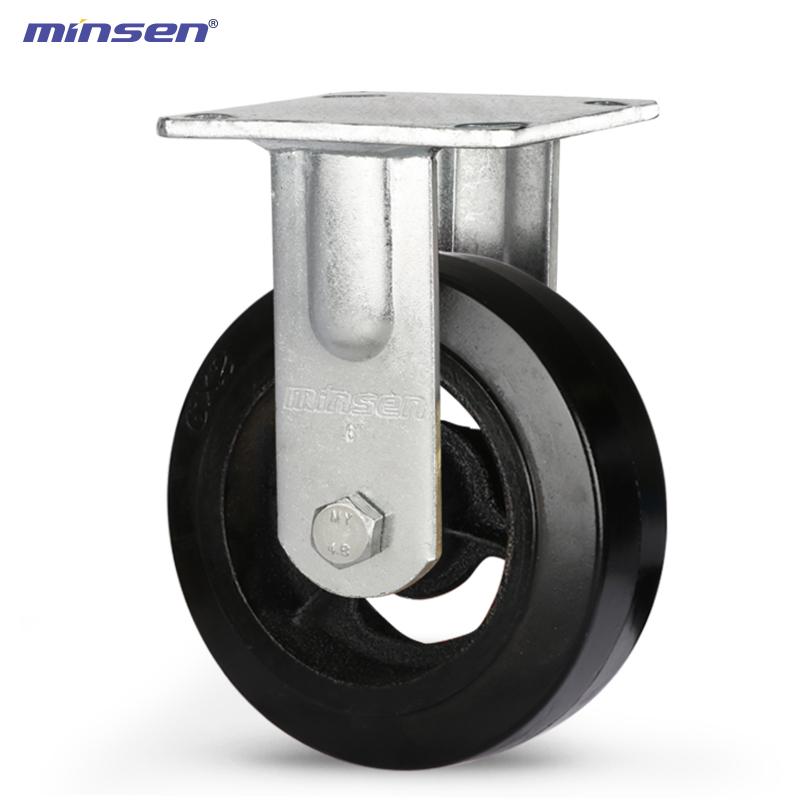
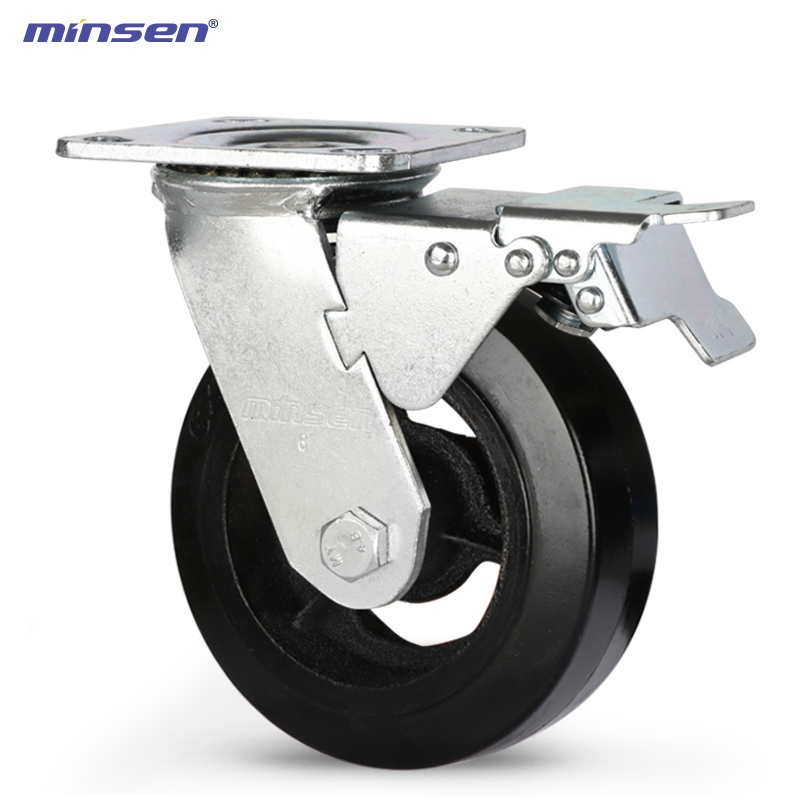
Mingtai Caster Manufacturing, operating under the MINSEN brand, produces caster lines specifically engineered for these varied conditions — including high-temperature series rated for extreme heat, stainless steel options for hygienic settings, and extra heavy-duty series designed for industrial-scale loads. Since 2010, the company has run an 8,000-square-meter facility with in-house stamping, rubber processing, and injection molding, allowing tighter quality control across the full production cycle rather than relying on third-party components.
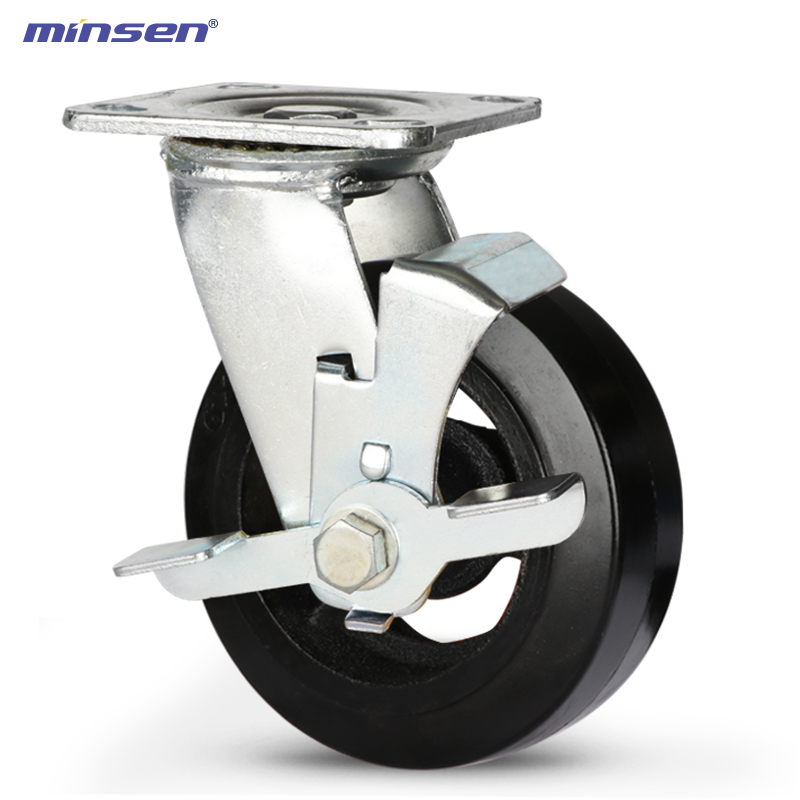
What Should You Check Before Buying Caster Wheels?
Before purchasing caster wheels for a heavy-load application, it helps to walk through a short checklist:
Confirm total load, not per-wheel load. Add up equipment weight, cargo weight, and a safety margin.
Match wheel diameter to floor conditions. Larger diameters roll more easily over uneven surfaces and reduce rolling resistance.
Consider swivel versus rigid configurations. Swivel casters improve maneuverability; rigid casters offer more stability for straight-line hauling.
Check bearing type. Precision bearings reduce push force required, which matters for repetitive manual handling.
Account for environmental exposure. Moisture, chemicals, and temperature extremes all shorten the lifespan of the wrong material choice.
Skipping any one of these steps is a common reason casters fail earlier than expected, even when the load rating on paper looked sufficient.
Choosing the Right Fit for Your Facility
Selecting the right caster isn't about picking the highest load rating available — it's about matching the wheel material, bearing type, and mounting strength to the specific demands of your facility. A caster built for smooth warehouse floors won't necessarily hold up in a high-temperature production line, and a rubber wheel chosen for noise reduction won't survive heavy pallet traffic.
Facilities that take the time to assess actual working conditions — floor type, load distribution, temperature exposure, and frequency of use — end up with equipment that lasts years longer and requires far less maintenance. Manufacturers like Mingtai Caster Manufacturing offer a range of series built around these exact variables, from extra heavy-duty models to specialty high-temperature and stainless steel options, giving facilities more flexibility to match equipment to real-world demands rather than settling for a generic solution.
Frequently Asked Questions
What load capacity should I look for in heavy duty casters?
Most heavy-duty applications require casters rated between 1,000 and 6,000 lbs per wheel, depending on total equipment weight. Always add a safety margin of at least 25-30% above your expected maximum load.
Are polyurethane or steel wheels better for heavy loads?
Steel wheels handle higher raw loads and rougher surfaces, while polyurethane wheels protect floors and perform well in standard warehouse conditions. The right choice depends on whether floor protection or maximum capacity is the priority.
How often should heavy duty casters be replaced?
Replacement intervals vary widely based on usage frequency and environment, but visible wear, uneven rolling, or difficulty steering are clear signs a caster has reached the end of its service life.
Can one caster type work across multiple industries?
Not reliably. Casters designed for hospital equipment differ significantly from those built for manufacturing or high-temperature environments, since load, hygiene, and durability requirements vary by industry.